You have successfully marketed your product. You have driven traffic to your website. The customer has added items to their cart and is ready to buy. But then, they leave.
The checkout process is often the leaky bucket in an otherwise watertight business strategy. While marketing brings customers to the door, your payment infrastructure invites them in to stay. A clunky, insecure, or limited payment experience is one of the fastest ways to lose a sale, yet many businesses treat their payment gateway as a mere utility rather than a strategic asset.
Choosing the right payment solution isn’t just about processing transactions; it is about maximizing revenue, reducing cart abandonment, and expanding your market reach. The technology you choose to handle your money can either act as a bottleneck or a catalyst for growth.
This guide explores the top payment gateway solutions available today, analyzing how they can specifically contribute to your bottom line and helping you decide which infrastructure aligns best with your business model.
The Direct Link Between Payments and Revenue
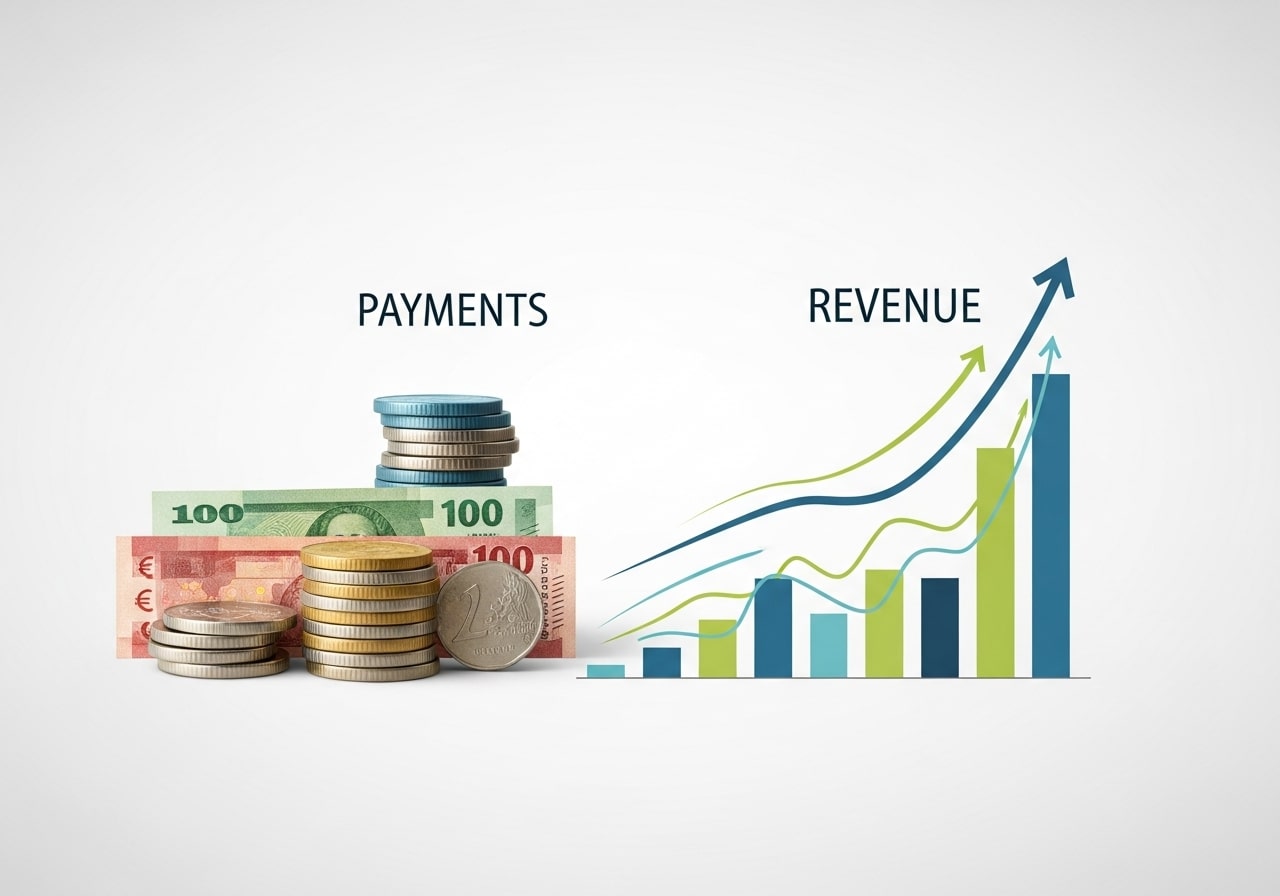
Before diving into specific software, it is vital to understand the mechanics of how a payment gateway influences revenue. It is easy to assume that revenue is simply a result of product demand, but the “how” of the transaction matters just as much as the “what.”
Reducing Cart Abandonment
approximately 70% of online shopping carts are abandoned before the sale is finalized. A significant portion of this is due to a complicated checkout process. Gateways that require excessive form fields, force account creation, or redirect customers to untrustworthy third-page sites increase friction. A seamless gateway keeps the customer in the flow, securing the sale before they have a second to reconsider.
Building Trust Through Security
Cybersecurity threats are a constant concern for consumers. If a checkout page looks outdated or lacks visible security badges, customers will hesitate. Premium payment gateways offer robust fraud protection and compliance standards (like PCI DSS) that reassure customers their data is safe. When customers feel safe, conversion rates increase.
Opening Global Markets
If your business is based in the US but you have traffic from Europe or Asia, you are leaving money on the table if you cannot accept their preferred currencies or local payment methods. The right gateway creates a localized experience for international buyers, instantly expanding your total addressable market.
Key Features of High-Performance Gateways

When evaluating a solution, look beyond the basic transaction fee. The following features are indicators of a gateway that will support growth rather than hinder it.
1. Integrated vs. Hosted Checkout
A hosted gateway redirects the user to a third-party page (like PayPal) to complete the payment. While secure, this interruption can lower conversion rates. An integrated gateway allows customers to pay without leaving your site. This seamless experience generally results in higher successful transaction rates, though it may require more rigorous security maintenance on your end.
2. Recurring Billing Capabilities
For subscription-based models, the gateway must handle automatic renewals, failed payment retries, and dunning management (communicating with customers about expiring cards). Automating this retains revenue that would otherwise be lost to “involuntary churn.”
3. Mobile Optimization
With mobile commerce dominating online sales, your payment gateway must be responsive. Mobile wallets like Apple Pay and Google Pay allow for one-touch purchasing, which is critical for capturing impulsive mobile shoppers.
Top Payment Gateway Solutions for 2026

There is no single “best” gateway, but there are market leaders that excel in specific areas. Here is a breakdown of the top contenders.
Stripe
Stripe has become the gold standard for modern e-commerce, particularly for businesses that value customization. It is a developer-first platform, meaning it offers an incredibly flexible API that allows you to build a checkout flow exactly how you want it.
- Why it boosts revenue: Stripe’s suite of tools, including Stripe Radar, uses machine learning to block fraud without blocking legitimate customers. Its seamless integration keeps users on your site, and “Stripe Elements” helps you build a beautiful, high-converting checkout form with minimal coding.
- Best for: Tech-savvy startups, subscription services, and marketplaces.
PayPal
PayPal is the heavy hitter of trust. Millions of shoppers act as though a site is illegitimate if they do not see the PayPal logo. It serves as a digital wallet that stores customer information, meaning users don’t have to hunt for their credit cards to buy from you.
- Why it boosts revenue: The “Smart Payment Buttons” feature automatically presents the most relevant payment option to your visitor based on their location and cookies. Furthermore, PayPal boasts incredibly high conversion rates because of the brand trust associated with it.
- Best for: Small to medium businesses looking for immediate consumer trust.
Square
Originally famous for its white card readers at coffee shops, Square has aggressively expanded into online payments. It is an omnichannel powerhouse, syncing your physical inventory with your digital store.
- Why it boosts revenue: For businesses with both a physical and digital presence, Square unifies data. You can track customer behavior across channels, allowing for better marketing and inventory management. The unified ecosystem reduces administrative overhead, freeing up resources for growth.
- Best for: Retailers with both brick-and-mortar stores and e-commerce sites.
Authorize.net
As one of the oldest and most established players in the game, Authorize.net focuses on reliability and compatibility. It connects to almost any merchant bank account, giving you the freedom to shop around for the best processing rates from banks while using their sturdy gateway technology.
- Why it boosts revenue: Its Advanced Fraud Detection Suite allows you to customize rules for accepting or rejecting transactions. This granular control helps you balance risk management with sales volume, ensuring you don’t turn away good money out of fear of fraud.
- Best for: Established businesses that already have a merchant account provider they like.
Adyen
Adyen is the platform of choice for enterprise giants like Uber, Spotify, and eBay. It is an end-to-end infrastructure that connects directly to card networks (Visa, Mastercard) rather than hopping through third-party systems.
- Why it boosts revenue: Adyen is unmatched for global expansion. It supports hundreds of local payment methods around the world. If you want to sell in Brazil using Boleto or in the Netherlands using iDEAL, Adyen handles it natively. This localization drastically improves acceptance rates in foreign markets.
- Best for: Large enterprises scaling globally.
Checkout (Verifone)
Now part of Verifone, 2Checkout specializes in handling the complexities of digital goods and global sales. It acts as a “Merchant of Record” for many clients, meaning they handle the sales tax liabilities and compliance headaches in different countries.
- Why it boosts revenue: By offloading the burden of international tax compliance (like VAT in Europe), you can sell into complex markets without hiring a legal team. This removes the barriers to entry for global sales.
- Best for: Software and digital goods companies selling internationally.
The Hidden Costs of the Wrong Choice
Selecting a gateway based solely on the lowest transaction fee is a common pitfall. While 2.9% + $0.30 is the industry standard for many, hidden costs in other areas can erode your margins.
Consider the cost of downtime. If your budget gateway crashes during Black Friday, the lost revenue will dwarf whatever you saved on transaction fees. Consider the cost of integration. If a gateway requires expensive developer hours to maintain, it raises your Customer Acquisition Cost (CAC).
Furthermore, there is the opportunity cost of data silos. If your payment gateway doesn’t talk to your accounting software or your CRM, you are flying blind. You miss out on insights regarding high-value customers, churn rates, and peak buying times—data that is essential for strategic revenue planning.
How to Choose the Right Solution
To select the infrastructure that will actually boost your revenue, you need to audit your current business needs against your future goals.
- Analyze your customer base: Are they mobile-first? Do they prefer digital wallets? Choose a gateway that caters to their habits.
- Project your growth: Are you planning to expand to Europe or Asia in the next 24 months? If so, Adyen or Stripe might be better than a domestic-only provider.
- Review your technical resources: Do you have a developer on staff? If yes, the customization of Stripe or Braintree is an asset. If not, the plug-and-play nature of PayPal or Square is safer.
- Audit your business model: If you rely on subscriptions, prioritize gateways with robust “dunning” (payment recovery) tools to stop involuntary churn.
Optimizing Your Financial Infrastructure
Payments are the pulse of your business. A healthy, optimized payment system keeps cash flow moving and customers happy. By moving away from viewing payments as a cost center and seeing them as a revenue driver, you change the trajectory of your business growth.
Whether you need the developer flexibility of Stripe, the global reach of Adyen, or the trusted simplicity of PayPal, the tools exist to reduce friction and capture more value from every visitor.
At SanMo US, we understand that navigating the technical and financial landscape of payment processing can be complex. Implementing the right solution requires a clear strategy and seamless integration. By prioritizing security, user experience, and global capability, you position your business not just to accept payments but to accelerate growth.
Frequently Asked Questions (FAQ)
1. What is a payment gateway?
A payment gateway is a technology that processes online payments by securely transmitting customer payment information from your website to the bank or payment processor, enabling seamless transactions.
2. Why is choosing the right payment gateway important?
The right gateway reduces cart abandonment, builds trust through security, supports multiple payment methods, and even expands your global reach—directly impacting revenue and growth.
3. What is the difference between hosted and integrated gateways?
Hosted gateways redirect users to a third-party page for payment, which can reduce conversion. Integrated gateways allow customers to pay directly on your site, offering a seamless checkout experience.
4. How can payment gateways reduce cart abandonment?
By offering a simple, mobile-optimized checkout, fewer steps, multiple payment options, and visible security features, gateways keep customers engaged and more likely to complete purchases.
5. Can payment gateways handle subscription-based models?
Yes. Gateways with recurring billing capabilities manage automatic renewals, failed payment retries, and dunning notifications, helping reduce involuntary churn and retain revenue.
6. Are payment gateways secure for customers?
Reputable gateways follow strict security standards, including PCI DSS compliance, encryption, and fraud detection, ensuring that customer payment data is protected.
7. Which payment gateway is best for global sales?
Adyen and 2Checkout (Verifone) excel in handling international payments, multiple currencies, and local payment methods, making them ideal for businesses selling worldwide.
8. What features should I prioritize in a payment gateway?
Look for mobile optimization, multi-currency support, recurring billing, integration with your CRM/accounting software, robust security, and high reliability to maximize revenue potential.
9. How do payment gateways affect my revenue?
By reducing friction in checkout, providing secure payment options, and supporting global transactions, a high-performing gateway increases conversion rates, customer trust, and overall sales.
10. Can small businesses benefit from payment gateways?
Absolutely. Solutions like PayPal and Square offer easy setup and trusted payment methods for small and medium businesses, helping them compete online without technical overhead.