The software as a service (SaaS) market is exploding. What was once a niche delivery model has become the standard for how businesses and consumers access technology. From project management tools like Asana to customer relationship platforms like Salesforce, SaaS applications are ubiquitous. However, building these platforms is far from simple.
For companies looking to enter this space, the journey from concept to launch is often fraught with technical, operational, and strategic roadblocks. Unlike traditional software, SaaS requires a continuous development cycle, high scalability, and an unwavering focus on security. It’s not enough to just write code; you need to build a resilient ecosystem that can handle rapid growth and evolving user demands.
If you are a startup founder or a CTO at an enterprise looking to pivot, understanding these potential pitfalls is crucial. This guide explores the most common challenges in SaaS development services and offers actionable strategies to overcome them, ensuring your product doesn’t just survive but thrives in a competitive market.
Ensuring Scalability from Day One
One of the primary appeals of SaaS is the ability to grow with the user base. However, scalability is often treated as an afterthought, leading to performance bottlenecks when traffic spikes.
The Challenge: Technical Debt and Rigid Architecture
Many startups rush to release a Minimum Viable Product (MVP) to test the market. While speed is essential, taking too many shortcuts in the architectural phase creates technical debt. When a sudden influx of users arrives, the system crashes or slows down significantly because the underlying infrastructure wasn’t built to handle the load.
The Solution: Cloud-Native Architecture
To overcome this, developers must prioritize a scalable architecture from the very beginning. This usually involves:
- Microservices: Instead of a monolithic structure where every function is intertwined, use microservices. This allows you to update or scale specific parts of the application (like the payment gateway or user dashboard) without affecting the whole system.
- Auto-scaling: Utilize cloud providers like AWS or Azure that offer auto-scaling capabilities. This ensures server resources automatically increase during peak usage times and decrease during lulls, optimizing costs and performance.
- Load Balancing: Distribute incoming network traffic across multiple servers to ensure no single server becomes overwhelmed.
At SanMo US, we emphasize building robust backends that anticipate growth, ensuring that your SaaS development services are future-proofed against your own success.
Navigating Data Security and Compliance
Trust is the currency of the SaaS world. Since users are entrusting you with their sensitive data—often financial or personal—a single breach can destroy your reputation and incur massive fines.
The Challenge: Evolving Threats and Strict Regulations
Cyber threats are becoming more sophisticated, ranging from SQL injection attacks to ransomware. Simultaneously, regulatory landscapes are tightening. Compliance with standards like GDPR (General Data Protection Regulation) in Europe, CCPA (California Consumer Privacy Act), and HIPAA (for healthcare apps) is mandatory, not optional.
The Solution: Security by Design
Security cannot be a “patch” applied at the end of development. It must be woven into the fabric of the software development life cycle (SDLC).
- End-to-End Encryption: Ensure data is encrypted both in transit (while moving between the user and the server) and at rest (when stored in the database).
- Regular Audits and Penetration Testing: Frequently test your system for vulnerabilities. Hiring ethical hackers to try and break into your system can reveal weaknesses you missed.
- Role-Based Access Control (RBAC): Implement strict access controls so that employees only have access to the data necessary for their specific roles.
Managing Third-Party Integrations
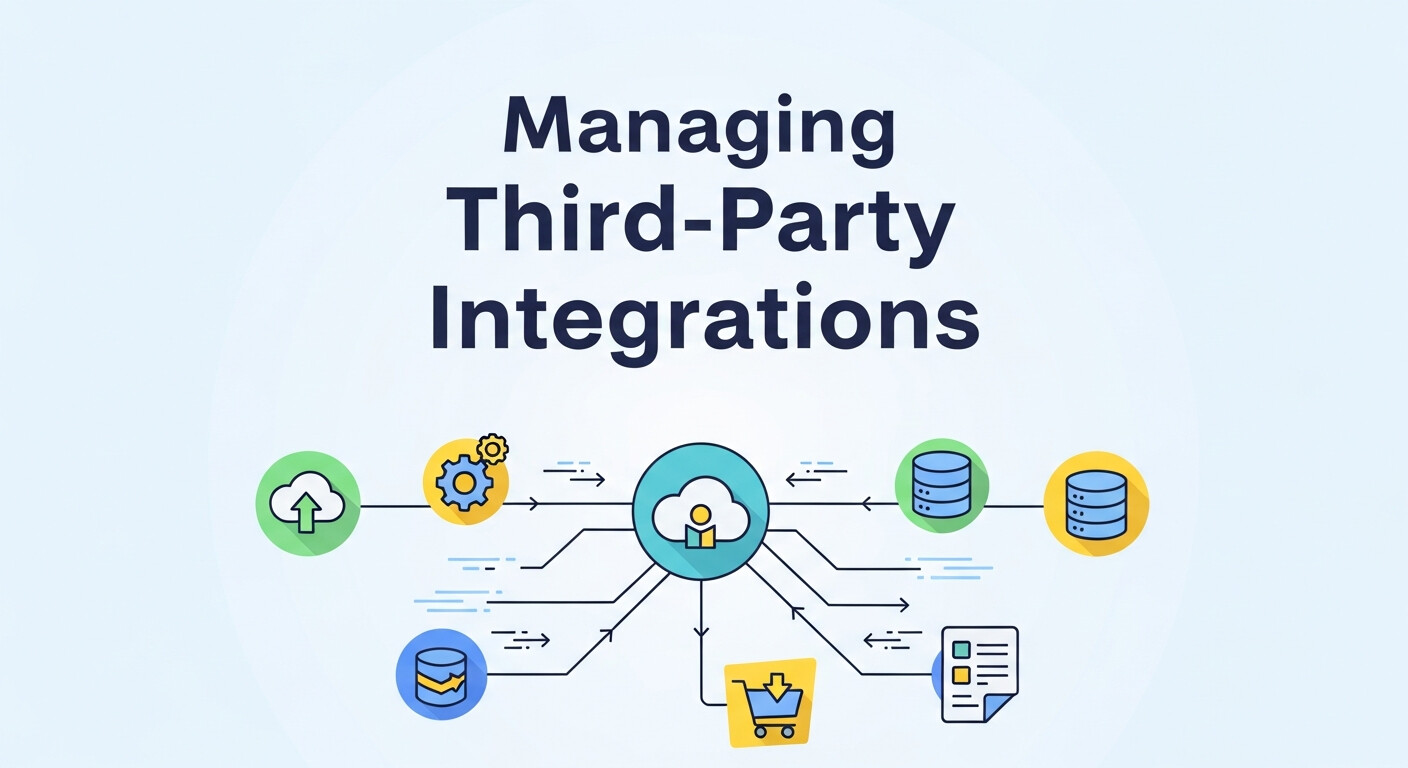
No SaaS product exists in a vacuum. To be useful, your software likely needs to talk to other tools your customers are already using, such as Slack, Google Workspace, or HubSpot.
The Challenge: API Dependency and Maintenance
Integrating third-party services can speed up development, but it introduces dependency. If an external API changes its protocols or goes down, your service might break. Furthermore, managing dozens of API keys and ensuring data flows smoothly between different platforms can become a logistical nightmare.
The Solution: Robust API Management
- Standardized APIs: When building your own APIs for others to use, adhere to REST or GraphQL standards to ensure ease of integration.
- Webhooks: Use webhooks to receive real-time data updates from third-party services, reducing the need for constant polling which wastes resources.
- Fallback Mechanisms: Design your application to handle third-party failures gracefully. If an email service integration fails, queue the emails to be sent later rather than crashing the user’s workflow.
Handling Subscription Lifecycle Management
The business model of SaaS revolves around recurring revenue. This requires a sophisticated system to handle subscriptions, varying pricing tiers, and billing cycles.
The Challenge: Complex Billing Logic
Billing is deceptively complex. You have to account for free trials, prorated charges when users upgrade mid-month, failed credit card payments, international currencies, and tax calculations. Building a custom billing engine from scratch is resource-intensive and prone to errors.
The Solution: Integrate Established Payment Gateways
Rather than reinventing the wheel, leverage established subscription management platforms like Stripe, Chargebee, or Recurly. These platforms handle the heavy lifting of dunning management (retrying failed payments), tax compliance, and invoice generation. This allows your development team to focus on core product features rather than financial logistics.
Maintaining High Availability and Uptime
In the SaaS world, downtime is revenue lost. Users expect 24/7 access to their tools. If your project management tool goes down on a Tuesday morning, your clients lose productivity, and you lose trust.
The Challenge: Unplanned Outages
Hardware failures, software bugs, or even natural disasters affecting data centers can cause outages. Achieving “five nines” (99.999%) availability is incredibly difficult and expensive.
The Solution: Redundancy and Disaster Recovery
- Database Replication: Keep copies of your database in different geographic locations. If one server fails, the system can switch to the backup instantly.
- CDNs (Content Delivery Networks): Use CDNs to serve static assets (like images and CSS) from servers closest to the user. This speeds up load times and reduces the strain on your main server.
- Disaster Recovery Plan: Have a clear, documented protocol for what happens when things go wrong. Who gets notified? How is the backup restored? How do you communicate with customers?
Continuous Deployment and Updates
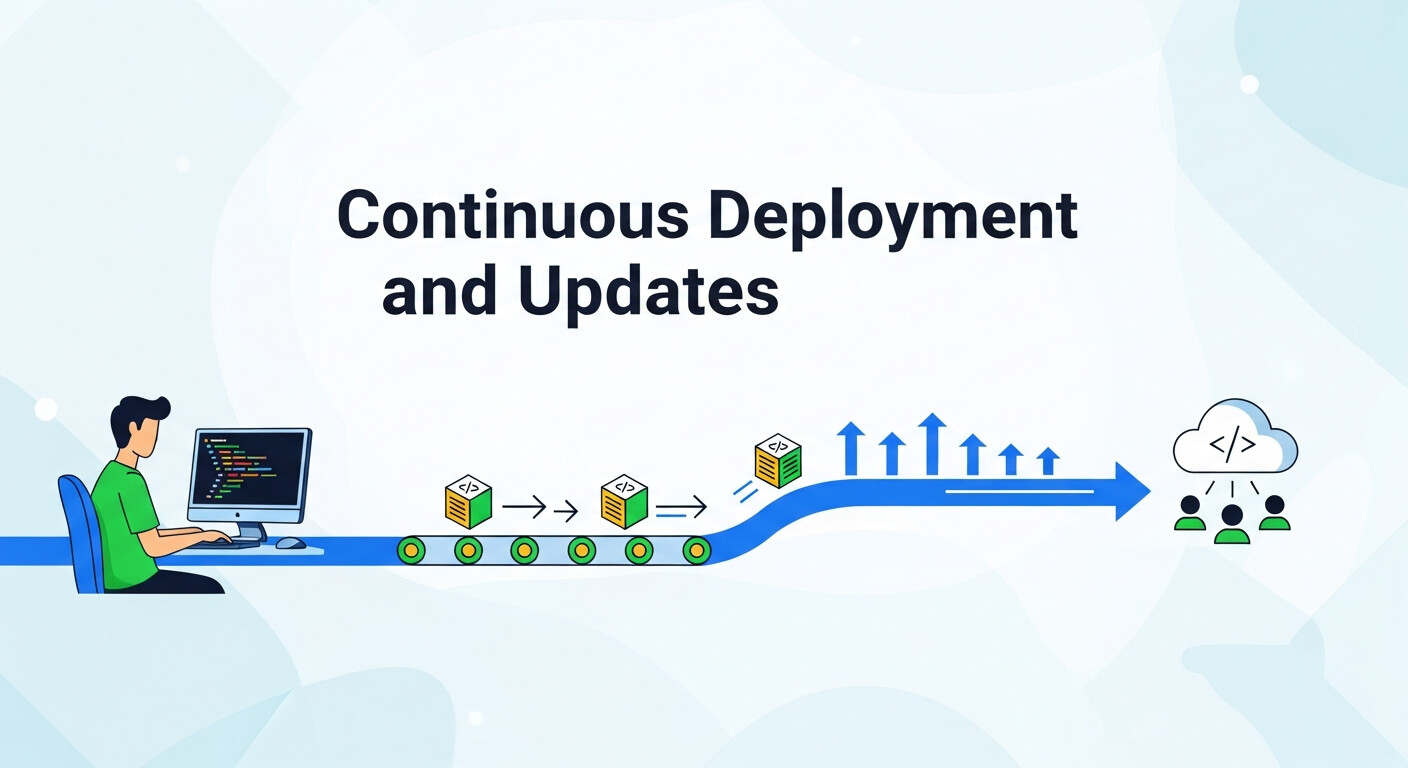
SaaS products are never “finished.” They require constant updates to fix bugs, add features, and improve security.
The Challenge: Zero-Downtime Deployment
Pushing new code to a live environment without disrupting current users is tricky. You can’t simply turn off the server for two hours to install an update.
The Solution: CI/CD Pipelines
Implement Continuous Integration and Continuous Deployment (CI/CD) pipelines.
- Automated Testing: Every piece of code should be automatically tested for bugs before it merges with the main branch.
- Blue-Green Deployment: This technique involves running two identical production environments. You push the update to the “Green” environment while users are still on “Blue.” Once the update is verified, you switch the traffic to Green. This eliminates downtime almost entirely.
User Onboarding and Retention
Acquiring a customer is only the first step. The real challenge in SaaS is keeping them.
The Challenge: High Churn Rates
If users find your software difficult to navigate or don’t see value immediately, they will cancel their subscription. High churn rates can kill a SaaS business even if sales are strong.
The Solution: UX-Driven Development
SaaS development services must prioritize User Experience (UX).
- Intuitive UI: The interface should be clean and self-explanatory.
- Interactive Walkthroughs: Use tools to guide new users through key features.
- Performance Monitoring: Use analytics to see where users are dropping off. If everyone quits on the “settings” page, you know there is a usability issue there that needs fixing.
Choosing the Right Technology Stack
Selecting the right technology stack is a critical decision in SaaS development that directly impacts performance, scalability, and long-term maintenance. A poor choice can slow development, increase costs, and limit future flexibility. The ideal tech stack should support rapid development while remaining scalable as your user base grows. Frontend frameworks like React or Vue offer flexibility and responsive design, while backend technologies such as Node.js, Python, or Java ensure reliability. Database selection also matters, with options like PostgreSQL or MongoDB serving different data needs. Cloud compatibility, developer availability, and community support should all be considered. A well-chosen tech stack reduces technical debt and enables faster innovation as the product evolves.
Performance Optimization and Speed
Performance plays a vital role in SaaS user satisfaction and retention. Even minor delays can frustrate users and push them toward competitors. Optimizing performance involves efficient code, database indexing, caching strategies, and minimizing unnecessary API calls. Techniques like lazy loading, asynchronous processing, and server-side rendering can significantly improve response times. Monitoring tools help identify bottlenecks and ensure consistent performance as traffic increases. SaaS platforms must also handle peak usage without degradation, especially during business hours. By prioritizing performance optimization early in development, businesses can deliver a smooth, responsive experience that builds trust, improves engagement, and supports long-term customer loyalty.
Analytics and Data-Driven Improvements
Data is one of the most powerful assets in a SaaS product. Built-in analytics allow teams to understand how users interact with the platform, which features provide value, and where friction exists. Tracking user behavior, feature adoption, and conversion funnels helps guide product decisions based on real usage rather than assumptions. Analytics also play a crucial role in improving onboarding, reducing churn, and prioritizing feature development. Heatmaps, session recordings, and cohort analysis provide deeper insights into user journeys. By continuously analyzing and acting on data, SaaS companies can refine their product, improve user satisfaction, and stay competitive in a rapidly evolving market.
Partnering with SanMo US for Success
Navigating these challenges requires more than just coding skills; it demands a strategic partner who understands the lifecycle of a SaaS product.
SanMo US specializes in end-to-end SaaS development services. We don’t just build software; we engineer solutions designed for scale, security, and market success. From selecting the right tech stack to implementing rigorous security protocols and CI/CD pipelines, our team ensures that the technical foundation of your business is solid.
By anticipating these common hurdles, we help you avoid costly rework and accelerate your time-to-market. Whether you are building a new platform from scratch or refactoring a legacy application, our expertise ensures your journey is smooth and your product is world-class.
Frequently Asked Questions (FAQ)
What is the most important factor in SaaS development?
While many factors matter, security is arguably the most critical. A lack of features can be fixed in an update, but a data breach can permanently destroy trust and end the business. Security must be integrated into every stage of development.
How much does it cost to build a SaaS product?
The cost varies wildly depending on complexity. A simple MVP might cost between $25,000 and $50,000, while a complex enterprise-grade platform can easily exceed $100,000 to $500,000. Factors influencing cost include the number of features, platform compatibility (web vs. mobile), and integration requirements.
How long does it take to develop a SaaS application?
Typically, developing an MVP takes anywhere from 3 to 6 months. However, a fully featured product can take 9 months to a year or more. Using agile methodologies allows for iterative releases, getting a usable product to market faster.
What is a Multi-Tenant Architecture?
Multi-tenancy is a standard architecture in SaaS where a single instance of the software serves multiple customers (tenants). Each tenant’s data is isolated and remains invisible to other tenants. This approach is cost-effective and easier to maintain compared to single-tenant architectures.
Why should I outsource SaaS development services?
Outsourcing to a specialized firm like SanMo US allows you to tap into a pool of expert talent without the overhead of hiring full-time in-house developers. It provides flexibility, faster scaling, and access to specialized skills (like DevOps or security compliance) that you might not need on a permanent basis.
Building for the Future
The path to a successful SaaS product is paved with challenges, but they are not insurmountable. By focusing on scalability, prioritizing security, streamlining integrations, and focusing relentlessly on the user experience, you can build a platform that stands the test of time.
The key is to view development not as a one-time project, but as an ongoing evolution. The market will change, technology will advance, and user expectations will shift. Your software needs the agility to adapt to all three.
Are you ready to turn your SaaS concept into a scalable reality? Contact SanMo US today to discuss how our SaaS development services can bring your vision to life.