The digital landscape is shifting under our feet. Artificial intelligence and automation have moved from buzzwords to daily utilities, reshaping how businesses operate and how creators create. You might have seen the headlines: AI writing code, bots designing layouts, and algorithms predicting user behavior. It brings up a valid question for any business owner or stakeholder. If a machine can build a website, why hire a professional agency?
The answer isn’t as simple as “machines vs. humans.” It’s about nuance. While automation offers incredible speed and efficiency, it lacks the strategic insight and emotional intelligence that drive true brand connection. At SanMo US, we believe the future of web design and development isn’t about choosing between AI and human expertise. It’s about leveraging the power of both.
This guide explores how the industry is changing, where automation shines, where it falls short, and how a hybrid approach delivers the best results for your digital presence.
The Rise of Automated Design and Development
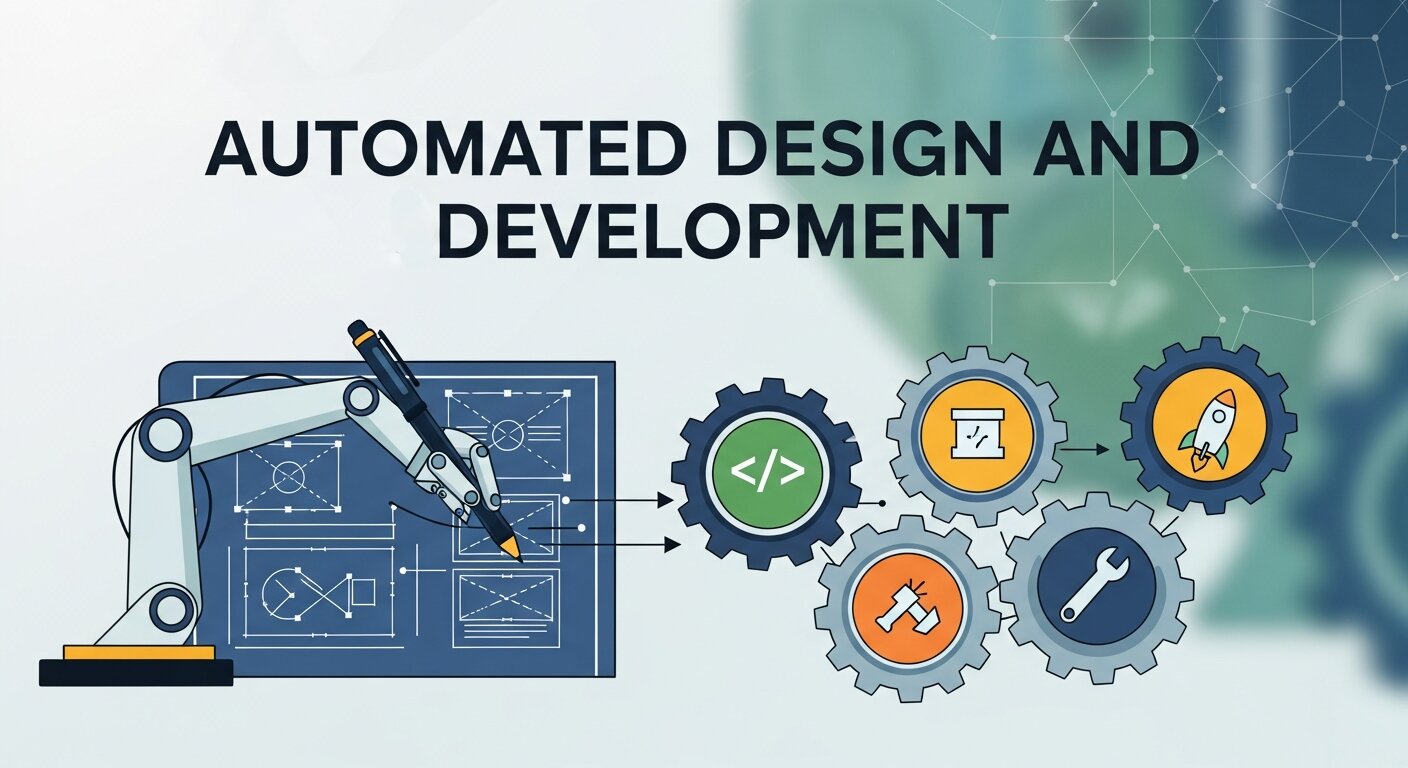
To understand where we are going, we have to look at the tools currently at our disposal. The barrier to entry for building a website has never been lower.
Low-Code and No-Code Platforms
Platforms like Wix, Squarespace, and Webflow have democratized the web. They utilize complex automation in the background to allow users to drag and drop elements on a screen. What used to require hours of HTML and CSS coding can now be achieved in minutes. These tools are fantastic for rapid prototyping or simple portfolio sites. They rely on rigid templates and pre-set logic to ensure the site doesn’t “break,” but this often comes at the cost of flexibility.
AI-Assisted Coding
For professional developers, tools like GitHub Copilot and ChatGPT have become indispensable assistants. These AI models can write boilerplate code, debug syntax errors, and suggest optimization strategies in real-time. This creates a massive efficiency boost. It allows developers at SanMo US to spend less time typing repetitive lines of code and more time solving complex architectural problems.
Generative Design
On the visual side, AI tools like Midjourney and Adobe Firefly allow designers to generate assets, edit photos, and create layouts with text prompts. This speeds up the ideation phase significantly. Instead of spending days creating mood boards, a designer can generate ten different concepts in an hour to present to a client.
Where Automation Falls Short
If these tools are so powerful, why hasn’t the role of the web developer become obsolete? The reality is that while AI is great at production, it is terrible at strategy.
The “Sea of Sameness”
When everyone uses the same automated tools and templates, the internet starts to look identical. AI models are trained on existing data. They predict what the “average” website looks like and replicate it. They cannot innovate or think outside the box because they are confined by the box’s parameters.
Effective web design and development require a unique brand identity. Your website needs to stand out, not blend in. A human designer understands how to break the rules creatively to capture attention.
Lack of Empathy and User Experience (UX)
A website is an interaction between a brand and a human being. AI doesn’t understand human emotion. It doesn’t know frustration, delight, or confusion.
Great UX design is rooted in empathy. It involves understanding the specific pain points of your customer and crafting a journey that solves them. An algorithm might optimize a button placement based on click-through rate statistics, but it won’t understand why the user is hesitating to click. SanMo US prioritizes human-led UX research to ensure your site connects on an emotional level.
Technical Debt and Security
AI-generated code works, but is it efficient? Is it secure? Often, automated code is bloated. It includes unnecessary scripts and messy syntax that can slow down your site’s loading speed. In the world of Core Web Vitals and SEO, site speed is a critical ranking factor.
Furthermore, relying entirely on AI for security is risky. Automated tools can inadvertently introduce vulnerabilities or use outdated libraries. Experienced developers are necessary to audit code, ensure compliance with security standards, and protect user data.
The SanMo US Approach: The Hybrid Model
We view AI as a powerful tool. In the hands of a novice, a power tool can be dangerous or produce messy results. In the hands of a master craftsman, it builds skyscrapers.
At SanMo US, we integrate automation into our web design and development workflow to maximize value for our clients without sacrificing quality.
1. Accelerated Prototyping
We use AI to speed up the initial phases of a project. We can generate wireframes and style guides faster than ever before. This means we get to the feedback loop sooner. You see the vision for your project earlier in the process, allowing for more iteration and refinement.
2. Automating the Mundane
There are hundreds of small, repetitive tasks involved in launching a website—optimizing images, checking for broken links, verifying browser compatibility. We automate these quality assurance (QA) processes. This ensures nothing slips through the cracks while freeing up our team to focus on high-level strategy and custom feature development.
3. Custom Functionality
While no-code tools are great for landing pages, they struggle with complex business logic. If you need a custom client portal, a unique e-commerce checkout flow, or integration with a proprietary inventory system, you need custom development.
Our developers write the core logic that powers your business. We ensure your infrastructure is scalable, meaning your website grows with you rather than becoming a bottleneck.
Key Trends in Modern Web Development
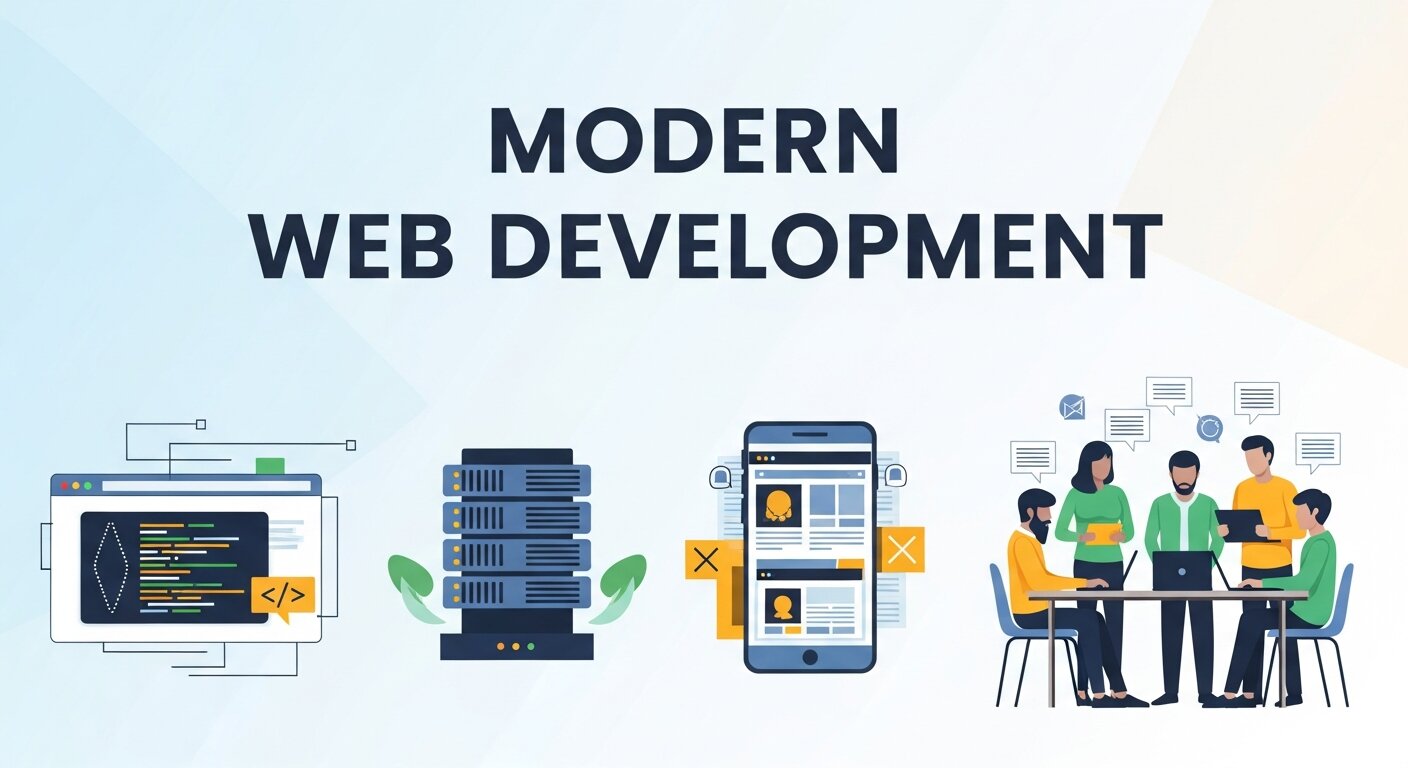
Beyond AI, several critical trends are shaping the industry. A successful digital strategy must account for these shifts.
Accessibility is Non-Negotiable
Web accessibility (ADA compliance) ensures that people with disabilities can use your website. This includes screen reader compatibility, keyboard navigation, and color contrast.
AI checkers can catch about 30% of accessibility errors. The other 70% require human judgment. For example, an AI can tell you if an image has “alt text,” but it can’t tell you if that text accurately describes the image to a blind user. We build accessibility into the foundation of our code, not as an afterthought.
Mobile-First Indexing
Google now predominantly uses the mobile version of the content for indexing and ranking. If your mobile experience is an afterthought, your SEO will suffer.
Responsive design is standard, but mobile-first development takes it a step further. It involves designing the architecture of the site for the smallest screen first, ensuring performance and usability are optimized for touch interactions.
Headless CMS Architecture
Traditional websites couple the front end (what the user sees) with the back end (where content is stored). Headless architecture separates them. This allows you to push content to a website, a mobile app, and a smartwatch from a single database.
This approach requires sophisticated development expertise but offers unmatched flexibility and speed. For enterprise-level clients, this is often the future-proof solution they need.
Why Partnership Matters More Than Ever
In an era where you can ask a chatbot to write a marketing slogan or code a contact form, the value of a partner lies in discernment.
You don’t hire an agency just to type code. You hire them to know which code to write. You hire them to tell you when an idea won’t work, to suggest a better user flow, and to navigate the technical complexities that automation glosses over.
SanMo US acts as that strategic partner. We stay on the cutting edge of AI and automation so you don’t have to. We filter through the noise to find the tools that actually drive ROI, and we discard the gimmicks.
Human-Centered Design in an Automated World
Automation can speed up workflows, but it cannot understand human intent the way people do. Human-centered design focuses on real user behavior, emotions, and expectations. At SanMo US, we design websites by studying how users think, scroll, hesitate, and decide. AI can suggest layouts based on data, but it cannot feel confusion or trust. That’s why human insight is essential. We translate business goals into meaningful digital experiences that feel intuitive and natural. By combining usability testing, behavioral analysis, and creative thinking, we ensure every design decision serves a real purpose. In a world full of automated designs, human-centered thinking is what turns a website into a powerful brand experience.
Performance, Speed, and Scalability Matter
A visually appealing website means nothing if it loads slowly or crashes under traffic. Performance is a critical pillar of modern web development. Search engines, users, and conversion rates all depend on speed and stability. While AI tools can generate functional code, they often overlook performance optimization and scalability. SanMo US focuses on clean architecture, optimized assets, and efficient server-side logic to ensure long-term reliability. We build websites that handle growth, traffic spikes, and feature expansion without compromising speed. Scalability is not an add-on—it’s built into the foundation. This approach ensures your digital platform supports your business today and adapts seamlessly to tomorrow’s demands.
Strategy-Driven Development Over One-Click Solutions
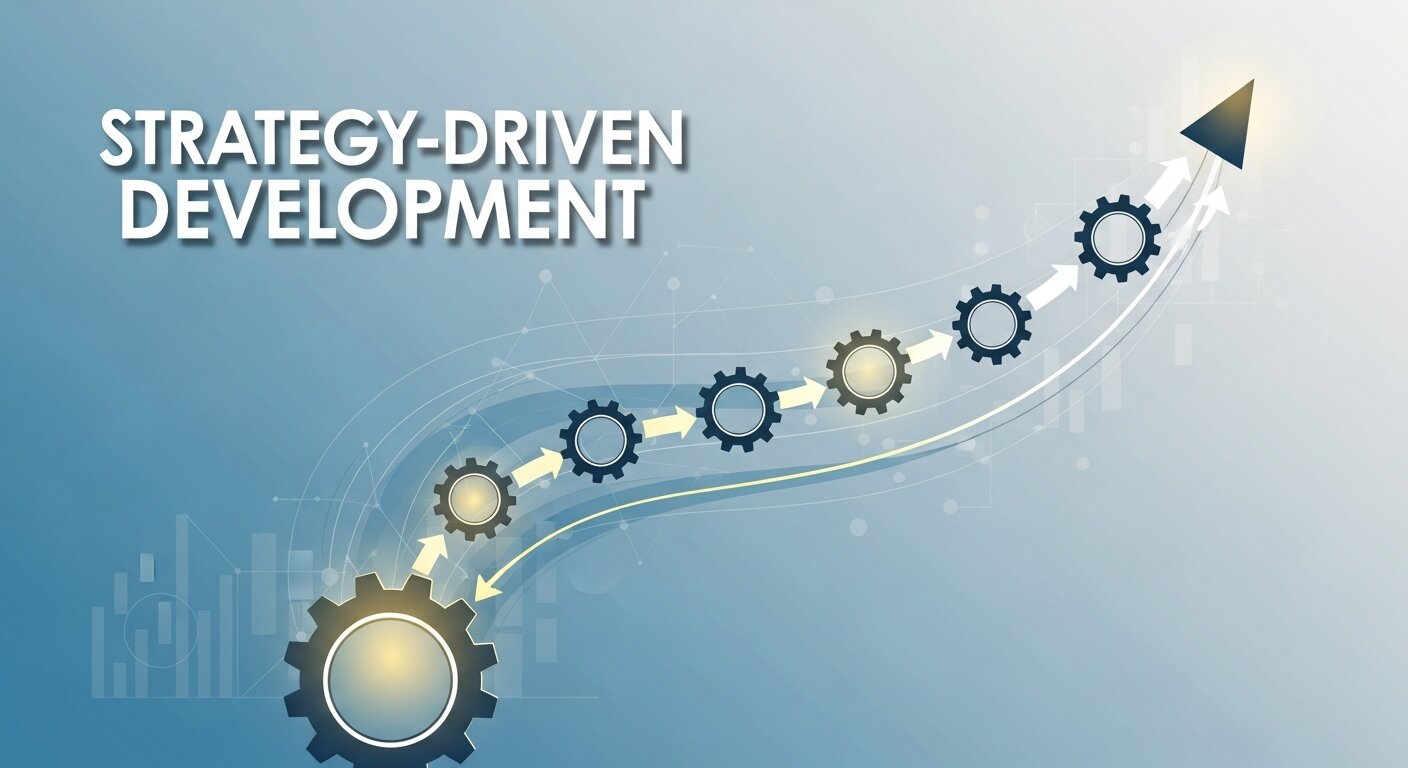
One-click website builders promise instant results, but they rarely align with long-term business strategy. True web development begins with understanding your goals, audience, and competitive landscape. At SanMo US, we don’t just build websites—we design digital strategies. Every feature, integration, and workflow is planned to support measurable outcomes like lead generation, engagement, and conversions. Automation helps with execution, but strategy defines direction. Without it, websites become generic and ineffective. Our strategy-driven approach ensures your site is not just online, but impactful. It becomes a business asset that works continuously to support growth, credibility, and brand authority.
Future-Proofing Your Digital Presence
The pace of change in web design and development is accelerating. Strategies that worked two years ago are now obsolete. To stay ahead, businesses need a digital foundation that is robust yet flexible.
Relying solely on automated, cookie-cutter solutions is a short-term fix with long-term consequences. It leads to technical debt, generic branding, and poor user experiences. Conversely, ignoring the benefits of automation leads to slow turnaround times and higher costs.
The sweet spot is in the middle. It’s where innovative technology meets human creativity. It’s where data-driven insights meet intuitive design. That is where we operate.
Frequently Asked Questions
Will AI replace human web developers?
It is unlikely that AI will replace developers entirely. Instead, it is shifting their role. Developers are moving away from writing basic syntax and toward becoming “architects” who oversee complex systems, ensure security, and manage the integration of various AI tools. The human element of strategy and problem-solving remains irreplaceable.
Is it cheaper to use AI website builders than hiring an agency?
Upfront, yes. AI builders and templates have very low initial costs. However, they often have hidden costs in the long run. These include monthly subscription fees, limitations on functionality that require expensive plugins to fix, and the potential revenue loss from a site that doesn’t convert or rank well on Google. Custom development is an investment in an asset you own.
How does AI affect SEO?
Search engines like Google prioritize helpful, high-quality content and good user experience. If you use AI to generate low-quality, spammy content, your SEO will suffer. However, using AI to analyze keywords, optimize meta tags, and improve site structure can boost your rankings. It depends on how the tool is applied.
What is the difference between web design and web development?
Web design focuses on the visual aesthetics and usability of the website—layout, color scheme, and user flow. Web development focuses on the functionality—writing the code that makes the design work, connecting databases, and ensuring the site loads correctly. SanMo US provides both services under one roof.
How does SanMo US ensure my website is secure?
We utilize secure coding practices, regular vulnerability audits, and enterprise-grade hosting environments. While we use automation for monitoring, our security protocols are established and managed by experienced engineers who understand the latest cyber threats.
Building for the Future
The age of AI and automation offers exciting possibilities for web design and development. It allows for faster builds, smarter features, and more dynamic experiences. But technology is only as good as the people wielding it.
Your website is often the first impression a customer has of your brand. It shouldn’t be left entirely to an algorithm. By partnering with SanMo US, you get the speed of modern technology backed by the assurance of human expertise. Let’s build something exceptional together.