Your company’s reputation isn’t just a nice-to-have—it’s a strategic asset that directly impacts revenue, talent acquisition, and market position. One viral post, one negative review cycle, or one poorly handled crisis can erase years of brand equity in hours.
CEOs today face a paradox: they need to be more visible than ever to build trust and authority, yet that visibility comes with heightened scrutiny. Traditional PR tactics—press releases, damage control statements, reactive media responses—are no longer sufficient. Advanced reputation management requires a proactive, data-driven approach that anticipates threats before they materialize and builds resilience into every stakeholder touchpoint.
At SanMo US, we’ve worked with executives across industries to implement reputation strategies that go beyond surface-level monitoring. This guide explores the sophisticated techniques that separate reactive companies from reputation leaders, offering actionable frameworks you can implement immediately to protect and enhance your organizational standing.
Why Traditional Reputation Management Falls Short
Most companies still approach reputation management as a firefighting exercise. They monitor brand mentions, respond to negative reviews, and issue statements when controversies arise. This reactive stance creates several problems.
First, it places you perpetually on defense. By the time negative sentiment surfaces publicly, the damage has already begun spreading through private channels, group chats, and industry networks. Second, it treats reputation as a communications problem rather than an operational one. The root causes of reputation damage—product failures, cultural issues, leadership missteps—require systemic solutions that PR alone cannot provide.
Advanced reputation management flips this model. It treats reputation as a measurable business outcome tied to specific operational metrics, embedding reputation considerations into strategic planning, product development, and organizational culture.
Building a Reputation Intelligence System
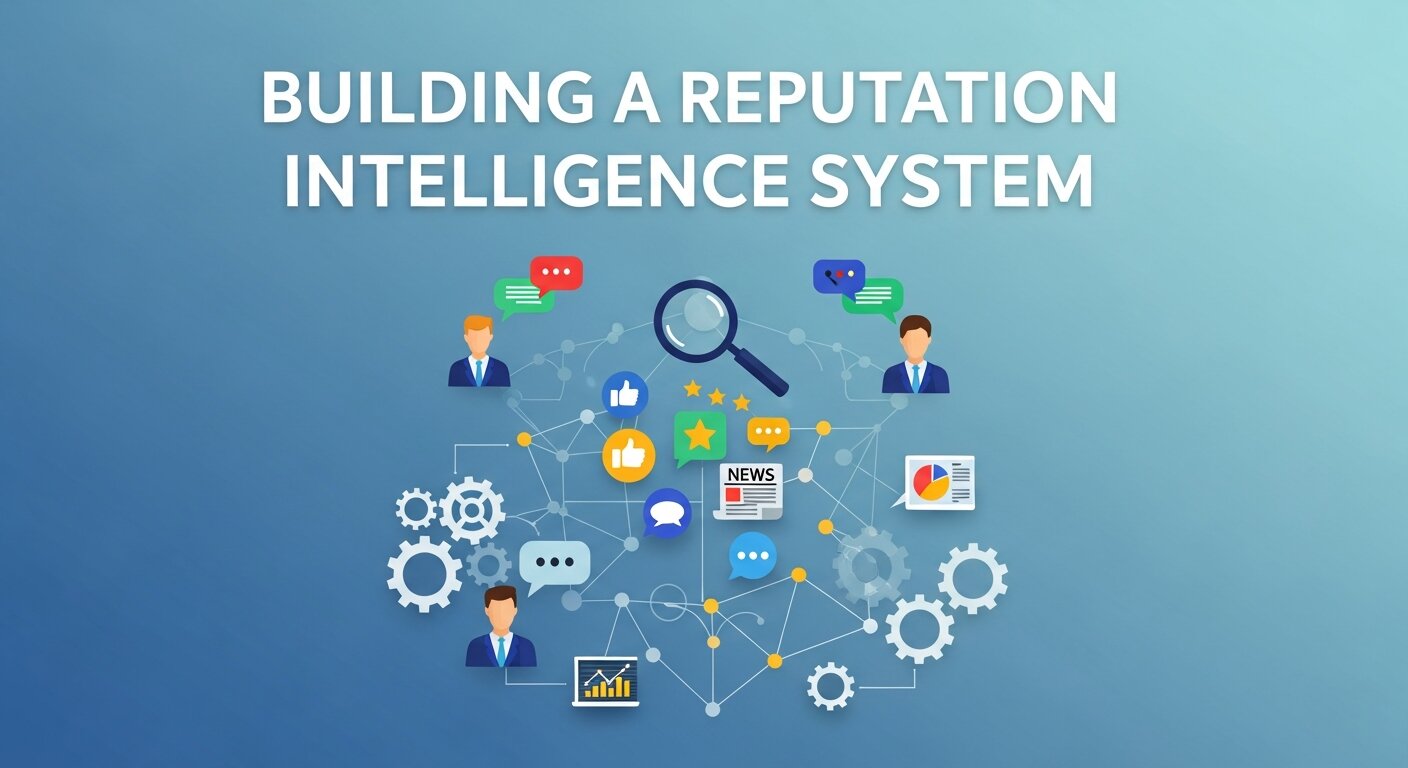
The foundation of advanced reputation management is intelligence gathering that goes far beyond basic social listening tools. You need a system that captures weak signals before they become loud controversies.
Start by mapping your reputation ecosystem. Identify every stakeholder group that influences or is influenced by your reputation: customers, employees, investors, regulators, media, competitors, and industry analysts. For each group, determine which channels they use to form opinions about your company. This includes obvious platforms like LinkedIn and Twitter, but also industry forums, employee review sites, investor message boards, and niche communities specific to your sector.
Deploy monitoring tools that track sentiment across these channels with sophisticated natural language processing. Basic keyword alerts miss crucial context. Advanced systems detect sentiment shifts, identify emerging narratives, and flag potential issues based on conversation velocity and influencer amplification patterns.
SanMo US recommends creating a reputation dashboard that consolidates these signals into actionable intelligence. This dashboard should display real-time sentiment scores for each stakeholder group, trending topics related to your brand, competitive reputation benchmarks, and early warning indicators calibrated to your specific risk profile.
The most sophisticated companies assign cross-functional teams to review this intelligence weekly, ensuring reputation insights inform decisions across departments rather than staying siloed within communications.
Proactive Narrative Architecture
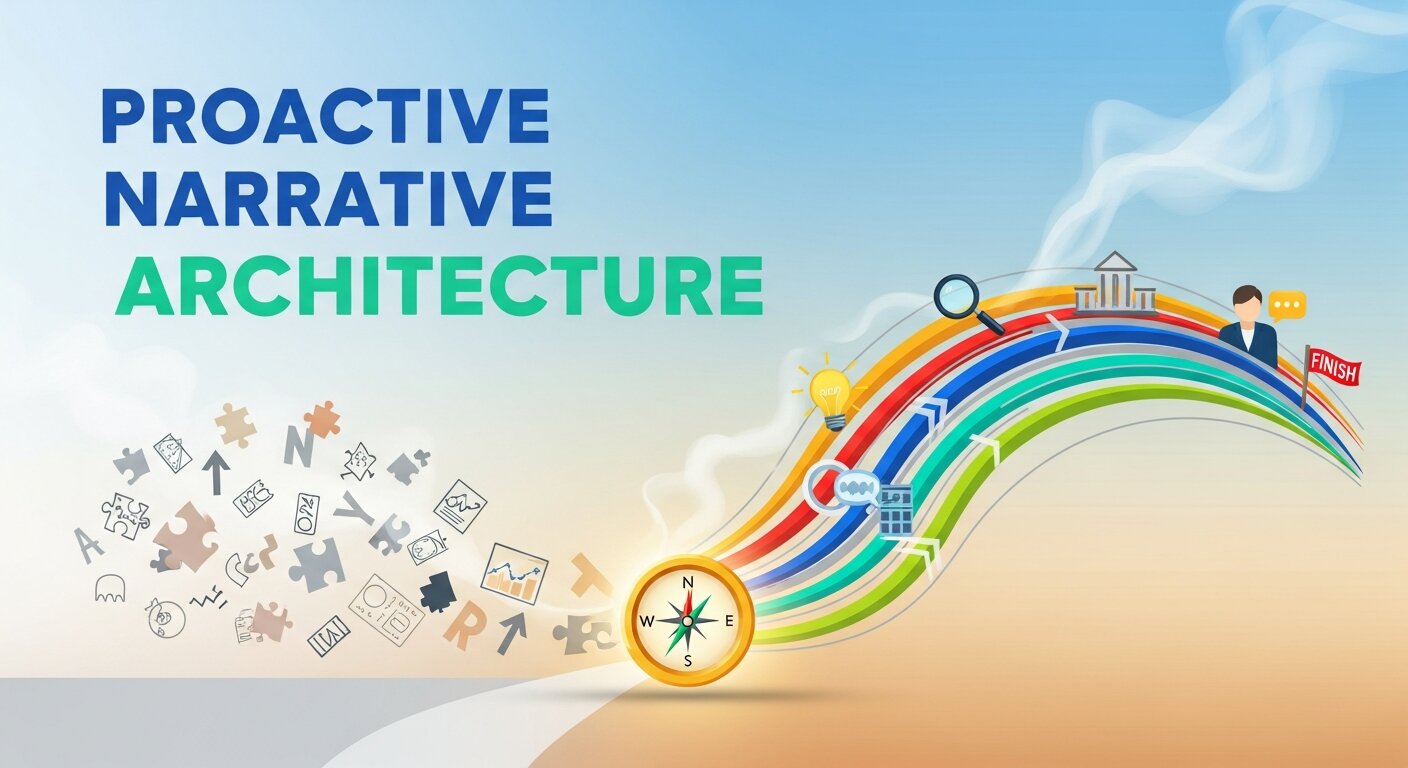
Reputation isn’t built through reaction—it’s constructed through deliberate narrative architecture. This means designing and deploying stories that shape how stakeholders interpret your actions before those actions occur.
Begin by defining your reputation pillars: the three to five core attributes you want associated with your brand. These should align with your business strategy while differentiating you from competitors. A CEO focused on innovation might emphasize “technological leadership” and “calculated risk-taking,” while one positioning for stability might highlight “operational excellence” and “stakeholder capitalism.”
For each pillar, develop proof points—specific examples, metrics, and stories that demonstrate these attributes in action. Don’t wait for journalists to ask; proactively share these narratives through owned channels, thought leadership content, speaking engagements, and strategic media placement.
The key is consistency and repetition. Reputation research shows that stakeholders need to encounter a message multiple times through multiple channels before it shapes their perception. Create a content calendar that ensures your core narratives appear regularly across the channels each stakeholder group frequents.
Advanced practitioners go further by pre-positioning narratives that can reframe potential controversies. If your industry faces regulatory scrutiny, publish thought leadership on responsible self-regulation before new rules emerge. If competitors criticize your approach, ensure your differentiating philosophy is already well-articulated in the market. This narrative foundation means critics must argue against an established position rather than filling a vacuum with their framing.
Stakeholder Mapping and Influence Analysis
Not all stakeholders carry equal weight in shaping your reputation. Advanced reputation management requires sophisticated understanding of influence networks and decision-making processes within each stakeholder group.
Create detailed personas for your key stakeholder segments. Beyond basic demographics, understand their information sources, trust networks, decision criteria, and pain points. A B2B customer’s purchasing committee might include a technical evaluator who reads industry blogs, a financial decision-maker who consults analyst reports, and a senior executive influenced by peer recommendations at industry conferences. Each requires different messaging through different channels.
Map the influencers within each stakeholder network. These aren’t just social media personalities with large followings—they’re the people whose opinions carry disproportionate weight in shaping group consensus. In employee communities, this might be informal leaders or long-tenured staff. Among investors, certain analysts or activist funds set the tone. Identify these influencers and develop specific engagement strategies for each.
The most effective approach involves regular, low-pressure relationship building long before you need anything from these influencers. Share valuable insights, make strategic introductions, and solicit their input on industry trends. When you do face reputation challenges, these relationships provide channels for context, clarification, and sometimes advocacy.
Crisis Simulation and Response Protocols
The time to plan crisis response is not during a crisis. Companies with advanced reputation management capabilities conduct regular crisis simulations that test both technical systems and decision-making processes under pressure.
Start by cataloging realistic crisis scenarios specific to your industry and company profile. These might include product failures, executive misconduct, cybersecurity breaches, workplace safety incidents, regulatory investigations, or competitive attacks. For each scenario, identify the likely progression: how the issue would surface, which stakeholders would react first, how media coverage would develop, and what second-order effects might emerge.
Develop response playbooks for each scenario. These should specify decision authority, communication protocols, stakeholder priority sequences, holding statements, and escalation triggers. The best playbooks also include pre-drafted materials—statement templates, FAQ documents, internal talking points—that can be customized quickly as situations unfold.
Critically, these playbooks must account for the speed of modern information flow. You likely have hours, not days, to establish your narrative before others define it for you. This requires pre-authorized communication channels where designated spokespersons can respond quickly without navigating lengthy approval chains.
Conduct quarterly crisis simulations where leadership teams work through scenarios in real-time. These exercises reveal gaps in protocols, test decision-making under pressure, and build organizational muscle memory for crisis response. After each simulation, document lessons learned and update playbooks accordingly.
SanMo US has found that companies conducting regular crisis simulations respond 60% faster when real issues arise and maintain stakeholder trust at significantly higher rates than those relying on theoretical planning alone.
Digital Reputation Optimization
Your digital presence is often the first—and sometimes only—touchpoint stakeholders have with your brand. Advanced reputation management treats digital properties as strategic reputation assets requiring continuous optimization.
Start with search engine results. When someone searches your company name, CEO name, or key brand terms, what appears? The first page of results shapes perception dramatically. Develop a content strategy that populates search results with owned properties and positive third-party coverage, pushing negative or outdated information to less prominent positions.
This requires creating high-authority content across multiple domains: your corporate website, executive LinkedIn profiles, industry publications, speaking engagement videos, podcast appearances, and award recognitions. Each piece should be optimized for relevant search terms while providing genuine value to readers.
Pay special attention to knowledge panels, featured snippets, and local business listings—these occupy prominent positions in search results and often appear before traditional blue links. Claim and optimize these properties, ensuring they present accurate, compelling information aligned with your reputation strategy.
Beyond search, audit your presence across all relevant platforms. Review sites, social media profiles, employer review platforms, and industry directories all contribute to reputation formation. Ensure these profiles are complete, current, and consistent with your messaging. Respond thoughtfully to reviews and comments, demonstrating responsiveness even when you can’t fully resolve concerns publicly.
The most sophisticated companies implement voice of customer programs that actively solicit reviews and feedback from satisfied stakeholders, creating a steady stream of positive content that dilutes negative outliers while providing genuine business intelligence.
Employee Advocacy and Internal Reputation
Your employees are your most credible reputation ambassadors—or your most damaging critics. Advanced reputation management recognizes that external reputation begins with internal culture and employee experience.
Start by treating internal communications with the same strategic rigor as external messaging. Employees should understand not just what the company is doing, but why it matters and how their work contributes to broader organizational purpose. When employees feel informed and valued, they naturally become advocates who defend and promote the company in their personal networks.
Develop formal employee advocacy programs that make it easy for staff to share company content and achievements. Provide pre-written social media posts, interesting articles to share, and recognition of employees who actively support company reputation. Some organizations gamify advocacy, offering rewards for shares, comments, and content creation.
However, advocacy programs fail if they’re not built on genuine employee satisfaction. Regularly measure employee sentiment, address concerns transparently, and ensure leadership behavior aligns with stated values. Employees detect inauthenticity instantly, and forced advocacy backfires spectacularly.
Pay particular attention to employer review sites like Glassdoor. These platforms significantly influence talent acquisition and increasingly shape broader reputation perceptions. Encourage satisfied employees to share their experiences while addressing legitimate concerns raised in negative reviews. Never attempt to manipulate ratings through fake reviews—the reputational damage when exposed far exceeds any short-term benefit.
Measuring Reputation ROI
Advanced reputation management requires demonstrating tangible business impact. This means moving beyond vanity metrics like social media followers or press mentions to outcomes that matter to the C-suite.
Establish clear KPIs tied to business objectives. These might include:
- Customer acquisition cost and conversion rates: Strong reputation typically correlates with lower acquisition costs and higher conversion as prospects arrive with existing trust and awareness.
- Customer lifetime value and retention: Reputation directly influences loyalty and willingness to forgive occasional service failures.
- Talent attraction metrics: Application rates, offer acceptance rates, and quality of hire all improve with strong employer reputation.
- Investor confidence indicators: Stock price resilience during market volatility, analyst ratings, and cost of capital reflect institutional reputation.
- Partnership and business development success: Strong reputation opens doors that sales efforts alone cannot.
Implement regular reputation audits that survey stakeholders about their perceptions and trace how those perceptions influence behavior. This might involve Net Promoter Score tracking, brand health studies, or stakeholder perception research conducted by third parties for greater objectivity.
The most sophisticated measurement approaches establish causal links between reputation initiatives and business outcomes. This might involve A/B testing different messaging approaches, tracking behavior changes following specific reputation campaigns, or conducting econometric analysis that isolates reputation’s impact from other marketing variables.
Frequently Asked Questions
What’s the difference between reputation management and public relations?
Public relations focuses primarily on media relations and external communications. Advanced reputation management is broader, encompassing every touchpoint that shapes stakeholder perceptions—from product quality and customer service to employee experience and digital presence. It’s a strategic discipline that influences operations, not just communications.
How quickly can reputation management efforts show results?
Defensive efforts—addressing specific crises or negative content—can show impact within weeks. Building positive reputation is a longer-term investment, typically requiring 6-12 months of consistent effort before measurable perception shifts occur. However, the infrastructure you build provides compounding returns over time.
Should reputation management be handled internally or by an agency?
The most effective approach combines internal leadership with external expertise. Internal teams understand company context and culture, while external partners like SanMo US provide specialized capabilities, objective perspective, and experience across multiple industries. Hybrid models where strategy is collaborative but execution is distributed work well.
How do you measure the ROI of reputation management?
Track leading indicators like sentiment scores, share of voice, and search result quality, but ultimately tie efforts to business outcomes: customer acquisition cost, employee retention, partnership success, and brand value. Regular stakeholder surveys that link perception to behavior provide the clearest ROI picture.
What’s the biggest mistake companies make in reputation management?
Waiting until a crisis hits to invest in reputation infrastructure. Companies that build monitoring systems, stakeholder relationships, response protocols, and positive content libraries before they’re needed weather challenges far more effectively than those scrambling to respond reactively.
Building Reputation Resilience for the Long Term
Reputation management has evolved from a defensive communications function to a strategic discipline that touches every aspect of organizational performance. The techniques outlined here—intelligence systems, narrative architecture, stakeholder mapping, crisis preparation, digital optimization, employee advocacy, and rigorous measurement—represent the current state of the art.
However, the fundamental principle remains constant: reputation is earned through consistent delivery on promises, transparent acknowledgment of shortcomings, and genuine commitment to stakeholder value. No amount of sophisticated technique can substitute for operational excellence and ethical leadership.
Start by assessing your current capabilities against the framework presented here. Where are the gaps? Which techniques would provide the greatest impact given your specific risk profile and strategic objectives? Prioritize 2-3 areas for immediate investment and develop a roadmap for building comprehensive reputation management capabilities over the next 12-18 months.
At SanMo US, we partner with CEOs and leadership teams to design and implement customized advanced reputation management programs that protect brand value while supporting business growth. The companies that emerge as reputation leaders in their industries are those that recognize reputation as a strategic asset deserving the same rigor and investment as any other driver of competitive advantage.
Your reputation is too valuable—and too vulnerable—to manage through improvisation and reaction. The question isn’t whether to invest in advanced reputation management, but whether you’ll do so before or after your next reputation crisis.