The digital marketplace is crowded. Every day, thousands of brands fight for attention on screens ranging from smartphones to smart TVs. You might have the best product in the world, stunning creative assets, and a compelling offer, but if the right people don’t see your ads at the right time, your growth will stall. This is where the strategic power of media buying services comes into play.
Many businesses mistakenly believe that simply boosting a post or running a basic Google Ads campaign is enough. While those tactics have their place, they often lack the sophisticated targeting, negotiation power, and data analysis required to scale a business significantly. To move beyond vanity metrics—like impressions and clicks—and start driving actual revenue, you need a partner who understands the intricate ecosystem of paid media.
At SanMo US, we have seen firsthand how a structured media buying strategy transforms scattered marketing efforts into a cohesive engine for growth. It isn’t just about spending money; it’s about investing budget where it yields the highest return. By leveraging professional media buying services, businesses can stop guessing where their audience hangs out and start meeting them there with precision.
In this guide, we will explore exactly how media buying bridges the gap between a casual click and a loyal customer. We will break down the different types of media buying, the benefits of professional management, and how to measure success in a way that impacts your bottom line.
What Are Media Buying Services?
Media buying is the process of purchasing advertising space across various channels, such as television, radio, websites, social media platforms, and streaming services. However, it is far more complex than a simple transaction. It involves identifying the target audience, selecting the best channels to reach them, negotiating prices, and optimizing campaigns for maximum performance.
Professional media buying services take this a step further. Agencies and specialized firms use advanced tools and industry relationships to secure better rates and placements than a business could typically achieve on its own. They manage the entire lifecycle of an ad campaign, ensuring that every dollar spent contributes to a specific business goal.
The Evolution of Media Buying
Historically, media buying was a manual process involving phone calls, faxes, and long lunches with ad sales reps. Today, the landscape is dominated by digital media buying, which relies heavily on algorithms, real-time data, and automation.
While traditional relationships still matter, especially in TV and out-of-home advertising, the modern media buyer is part data scientist, part creative strategist. They must navigate a fragmented ecosystem where user attention is split across dozens of apps and devices.
Media Buying vs. Media Planning
It is common to hear these terms used interchangeably, but they represent distinct phases of the advertising process.
- Media Planning: This is the strategy phase. Planners determine the “who, what, where, and when.” They analyze the audience, define the goals, and decide which mix of channels will work best.
- Media Buying: This is the execution phase. Buyers take the plan and make it a reality. They purchase the inventory, monitor the live campaigns, and make adjustments to improve performance.
Effective media buying services integrate both. At SanMo US, we believe you cannot buy effectively without a solid plan, and a plan is useless without expert execution.
The Core Pillars of Modern Media Buying
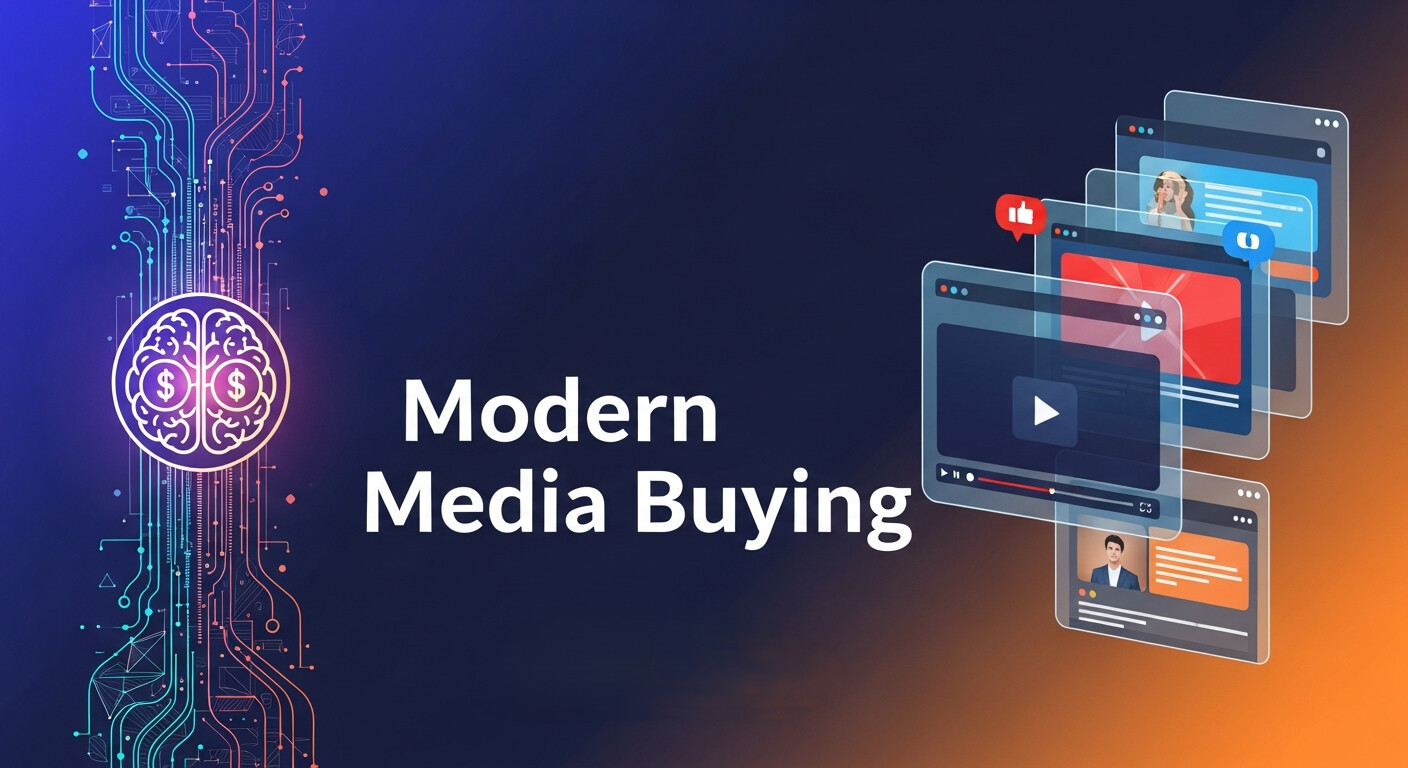
To understand how media buying drives growth, you need to understand the different methodologies used to purchase ad space. The industry has moved far beyond simple direct placements.
1. Direct Media Buying
This is the traditional method where a media buyer negotiates directly with a publisher (like a specific news website or a podcast network) to purchase ad space. This is often used for high-impact placements, such as a homepage takeover or a specific sponsorship.
Pros: Guaranteed inventory, potential for custom integrations, and transparent placement.
Cons: Can be more expensive and time-consuming to manage.
2. Programmatic Media Buying
Programmatic media buying has revolutionized the industry. It uses automated technology and algorithms to buy and sell advertising space in real-time. Instead of buying a specific spot on a website, advertisers bid on the opportunity to show an ad to a specific user, regardless of where they are on the web.
This method allows for incredible efficiency. If your data shows that your ideal customer is a 35-year-old tech enthusiast, programmatic buying allows you to bid on ad inventory the moment that user loads a page.
3. Social Media Buying
Online media buying is heavily concentrated on social platforms like Facebook, Instagram, LinkedIn, and TikTok. These “walled gardens” have their own buying ecosystems. Success here requires a deep understanding of each platform’s unique algorithm and ad formats.
Social media buying is particularly powerful for conversions because of the rich user data available. You can target users based on interests, behaviors, and even life events.
How Media Buying Services Accelerate Growth
So, why should a company invest in an external service rather than handling this in-house? The answer lies in expertise, leverage, and technology.
Precision Targeting and Audience Segmentation
The days of “spray and pray” advertising are over. Wasting budget on audiences who have no interest in your product is the fastest way to drain your marketing funds. Media buying experts utilize sophisticated data management platforms (DMPs) to slice and dice audiences.
We can segment audiences based on:
- Demographics: Age, gender, income, location.
- Psychographics: Interests, values, lifestyle.
- Behavior: Past purchase history, website visits, app usage.
- Context: The content they are currently consuming.
By narrowing the focus, media buying services ensure that your message lands in front of the people most likely to convert.
Cost Efficiency and Better Rates
One of the biggest misconceptions is that hiring an agency is an added cost that reduces ROI. In reality, professional buyers often pay for themselves through savings. Agencies buy media in bulk and have established relationships with publishers and platforms. This volume often grants them access to lower rates or value-added inventory that isn’t available to the general public.
Furthermore, in programmatic media buying, an inexperienced buyer can easily overbid for inventory or waste money on low-quality sites. Experienced buyers know how to set bid caps and use blocklists to ensure budget is only spent on quality impressions.
Advanced Optimization and Testing
A campaign launch is just the beginning. The real work happens in the optimization phase. Media buyers constantly monitor campaigns to see what is working and what isn’t.
- A/B Testing: Buyers will test different headlines, creatives, and landing pages to see which combination drives the most conversions.
- Dayparting: Analyzing if ads perform better at certain times of the day or days of the week.
- Frequency Capping: Ensuring users don’t see your ad so many times that they get annoyed and develop “banner blindness.”
At SanMo US, we obsess over the data. If a specific creative is driving clicks but not conversions, we pivot quickly. This agility is difficult to maintain without a dedicated team.
Access to Premium Inventory
Not all ad space is created equal. Some of the most coveted digital real estate is available only through private marketplaces (PMPs) or direct deals. Online media buying services often have exclusive access to these premium environments, allowing your brand to appear alongside high-quality content that boosts brand safety and credibility.
The Funnel Approach: Moving from Awareness to Action
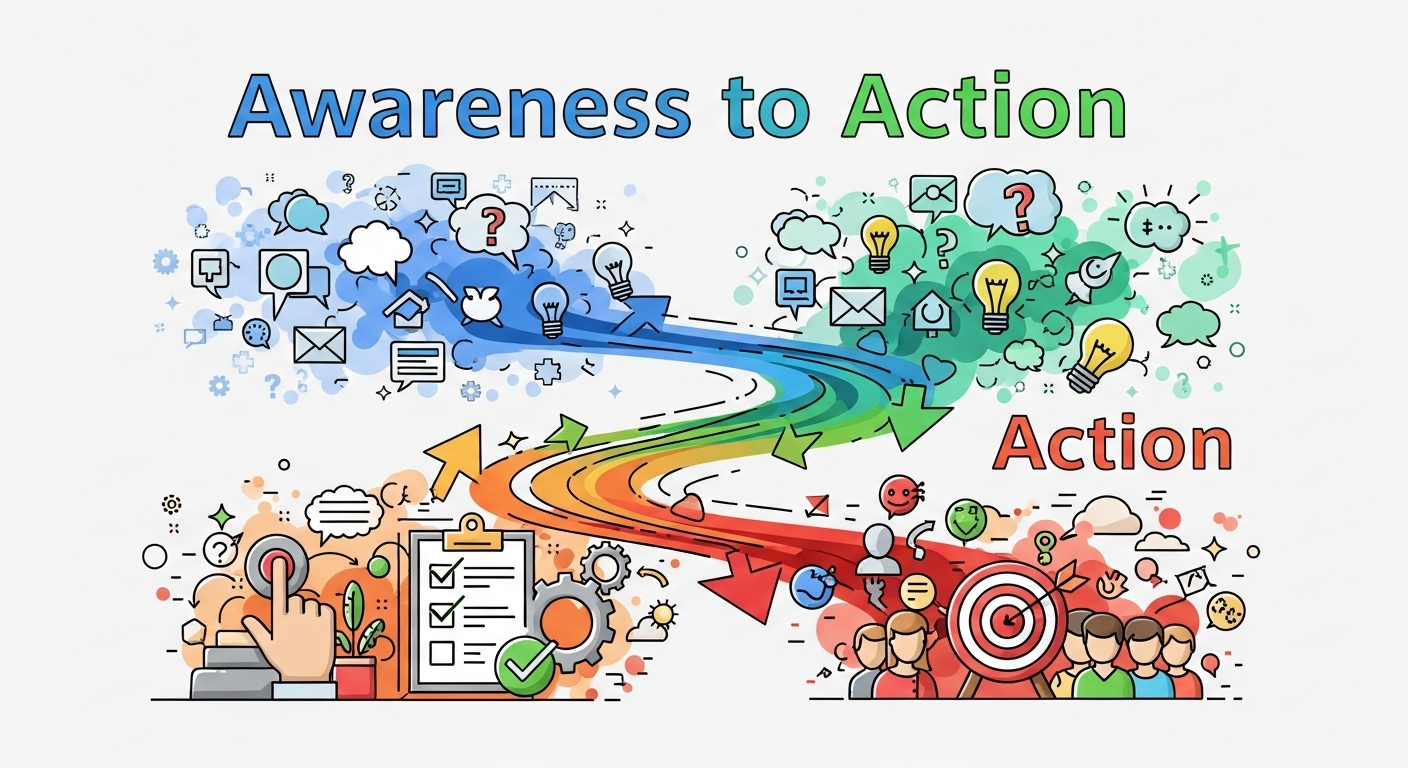
Effective media buying mirrors the customer journey. It isn’t just about asking for the sale immediately; it’s about guiding the user down the funnel.
Top of Funnel: Awareness
Here, the goal is to reach a broad but relevant audience. Strategies often include:
- Video ads on YouTube or CTV (Connected TV).
- Display ads on high-traffic news sites.
- Brand awareness campaigns on social media.
The metric for success here is usually CPM (Cost Per Thousand Impressions) or Reach.
Middle of Funnel: Consideration
Now that they know you, you need to get them interested. Media buying shifts to retargeting and engagement.
- Retargeting users who visited your site but didn’t buy.
- Native advertising that provides educational content.
- Lead generation forms.
The focus shifts to CPC (Cost Per Click) and engagement rates.
Bottom of Funnel: Conversion
This is where the magic happens. The audience is primed and ready to buy.
- Search ads for high-intent keywords.
- Dynamic product ads showing the exact item a user viewed.
- Promotional offers via digital media buying channels.
Here, the only metrics that matter are CPA (Cost Per Acquisition) and ROAS (Return on Ad Spend).
Challenges in the Current Media Landscape
Navigating the media buying world isn’t without its hurdles. Privacy regulations and technical changes are reshaping the industry.
The Death of the Cookie
With Google phasing out third-party cookies and Apple’s iOS privacy updates, tracking users across the web has become harder. This makes traditional retargeting less effective. Media buying services are adapting by focusing more on first-party data (data you collect directly from your customers) and contextual targeting (placing ads based on the content of the page rather than user history).
Ad Fraud
Ad fraud remains a multi-billion dollar problem. Bots can simulate human traffic, causing advertisers to pay for clicks that never happened. Professional agencies utilize verification tools (like DoubleVerify or IAS) to detect and block fraudulent traffic, ensuring your budget goes toward real potential customers.
Platform Saturation
As more brands pour money into online media buying, costs rise. The Cost Per Click on major platforms has increased steadily over the last decade. This makes creative differentiation and landing page optimization more critical than ever. You can’t just outbid your competition; you have to outsmart them.
Choosing the Right Media Buying Partner
If you are ready to scale your growth through paid media, selecting the right partner is crucial. Here is what to look for:
- Transparency: You should always know where your ads are running and how much you are paying for media vs. management fees.
- Strategic Alignment: The partner should take the time to understand your specific business goals, not just sell you a pre-packaged solution.
- Cross-Channel Expertise: Avoid agencies that only specialize in one platform. Your customers are everywhere, and your media strategy should reflect that.
- Reporting: Look for partners who provide clear, actionable reports that tie back to revenue, not just vanity metrics.
SanMo US prides itself on transparency and results-driven strategies. We view ourselves as an extension of your team, fighting for every conversion.
Frequently Asked Questions
What is the difference between media buying and programmatic advertising?
Programmatic advertising is a method of media buying. While media buying is the broad term for purchasing ad space, programmatic refers specifically to using automated software to buy digital ads in real-time auctions. Not all media buying is programmatic (e.g., direct negotiation with a TV station), but a large portion of digital media buying is now programmatic.
How much budget do I need to start with media buying services?
There is no one-size-fits-all answer. However, to get statistically significant data and allow algorithms to optimize, most agencies recommend a minimum monthly spend. This ensures there is enough volume to test different creatives and audiences. At SanMo US, we work with clients to determine a starting budget that balances risk with the potential for learning and growth.
Can I handle media buying in-house?
Technically, yes. Platforms like Google Ads and Facebook Ads are self-serve. However, as you scale, the complexity increases. Managing programmatic media buying, direct deals, and cross-channel attribution requires a stack of expensive tools and specialized talent. Outsourcing usually becomes more cost-effective as campaigns grow in complexity.
How do you measure the success of a media buying campaign?
Success metrics depend on the campaign goal. For awareness, we look at Reach and CPM. For performance, we focus on ROAS (Return on Ad Spend), CPA (Cost Per Acquisition), and Conversion Rate. Ultimately, the most important metric is the impact on your company’s revenue growth.
What is Real-Time Bidding (RTB)?
RTB is a sub-category of programmatic buying. It allows advertisers to bid on a single impression in real-time as a user loads a webpage. The winner of the auction gets their ad displayed instantly. This ensures efficiency and fair market pricing for ad inventory.
Turning Impressions into Impact
The journey from a digital click to a tangible conversion is rarely a straight line. It is a winding path influenced by timing, messaging, and placement. Media buying services act as the navigator for this journey, ensuring your brand avoids dead ends and accelerates toward growth.
By combining the art of negotiation with the science of data analysis, professional media buyers unlock potential that DIY campaigns simply cannot reach. Whether through the automation of programmatic media buying or the strategic placement of digital media buying campaigns, the goal remains the same: sustainable, scalable business growth.
At SanMo US, we are dedicated to helping businesses navigate this complex landscape. If you are tired of wondering where your marketing budget is going and ready to see exactly what it can return, it is time to upgrade your approach. Don’t just buy media; invest in a strategy that converts.