The app development industry has reached a turning point. What once required months of coding, testing, and iteration can now be streamlined through artificial intelligence. For businesses seeking app development services, this shift means faster launches, smarter functionality, and more personalized user experiences.
AI isn’t just changing how developers write code—it’s reshaping the entire development lifecycle. From initial concept to post-launch maintenance, machine learning algorithms and intelligent automation are handling tasks that previously demanded significant human intervention. Companies like SanMo US are leading this transformation, integrating AI-powered tools to deliver sophisticated applications more efficiently than traditional methods allow.
This evolution affects everyone in the ecosystem. Developers gain powerful assistants that handle routine tasks. Project managers see reduced timelines and budgets. End users benefit from apps that adapt to their behavior and anticipate their needs. Understanding how AI is reshaping apps development services isn’t just about keeping up with trends—it’s about recognizing a fundamental shift in what’s possible when building digital products.
The Role of AI in Modern App Development
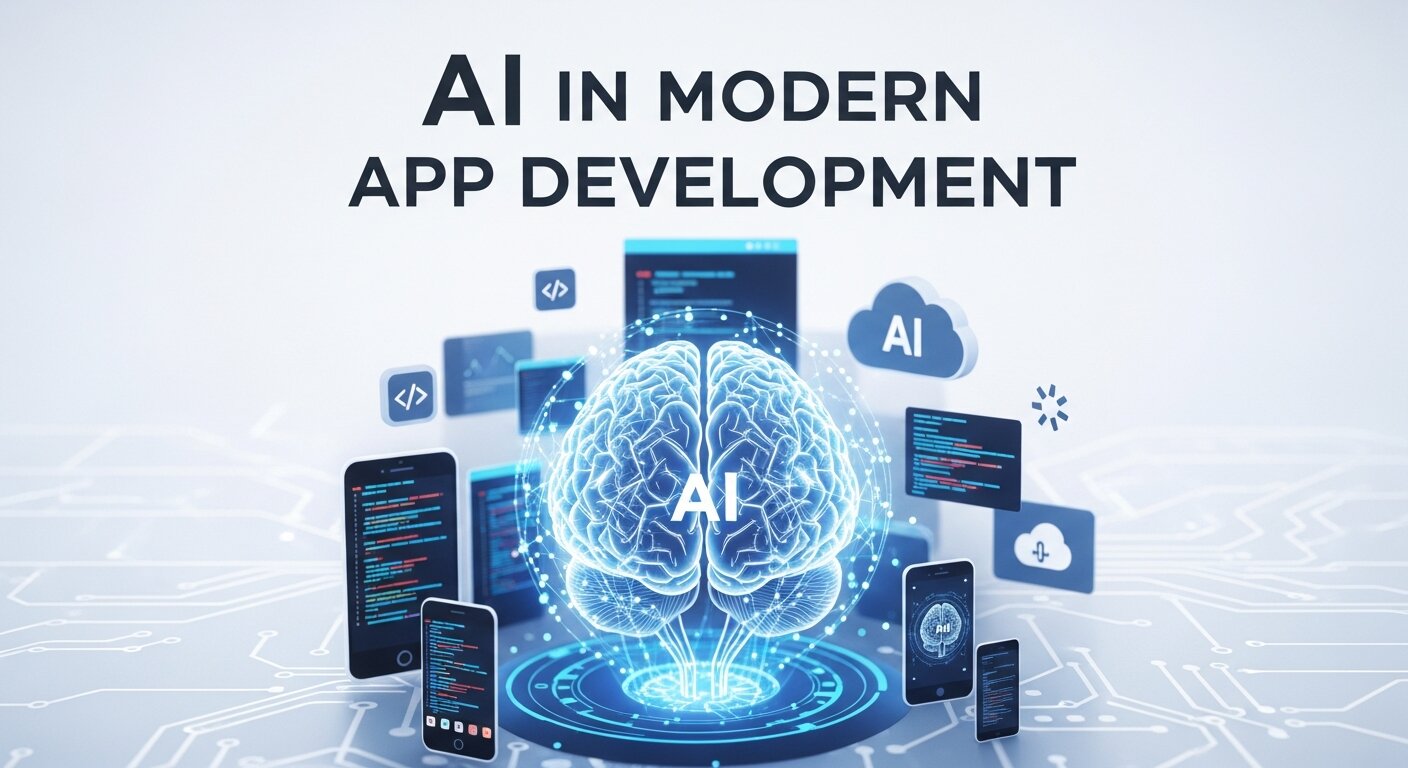
AI has moved beyond experimental features to become essential infrastructure in app development. Machine learning models now assist with everything from design choices to backend optimization, fundamentally altering how development teams approach their work.
Intelligent Code Generation
AI-powered coding assistants have transformed how developers write software. Tools like GitHub Copilot and TabNine analyze context and suggest entire code blocks, dramatically reducing the time spent on routine programming tasks. These systems learn from millions of code repositories, offering solutions that follow best practices and avoid common pitfalls.
For apps development services providers, this technology means developers can focus on complex problem-solving rather than syntax. Junior developers gain a mentor that helps them learn faster, while senior developers accelerate their workflow. The result is higher-quality code produced in less time.
Automated Testing and Quality Assurance
Testing has traditionally consumed a significant portion of development timelines. AI changes this equation by automating test creation and execution. Machine learning algorithms can generate test cases based on user behavior patterns, identifying edge cases that human testers might overlook.
These systems continuously monitor app performance, flagging potential issues before they affect users. They can predict which features are most likely to contain bugs based on code complexity and historical data. This proactive approach to quality assurance reduces post-launch problems and improves overall app stability.
Predictive Analytics for Project Management
AI helps project managers make better decisions by analyzing historical data from previous projects. These systems can predict timelines more accurately, identify potential bottlenecks, and recommend resource allocation strategies. When delays occur, AI can suggest mitigation approaches based on what worked in similar situations.
For companies offering apps development services, this capability translates to more realistic client expectations and fewer project overruns. Teams can identify risks early and adjust their approach before small issues become major problems.
Enhanced User Experience Through AI Integration
The most visible impact of AI in app development is the enhanced user experience it enables. Apps can now adapt to individual users, learning from their behavior and preferences to deliver increasingly personalized interactions.
Personalization at Scale
Machine learning algorithms analyze user behavior to customize content, features, and interfaces. Streaming apps recommend content based on viewing history. E-commerce apps adjust product displays based on browsing patterns. Fitness apps modify workout plans based on progress and goals.
This level of personalization was once exclusive to companies with massive data science teams. Now, apps development services can integrate pre-trained models and APIs that bring sophisticated personalization to apps of any size. The technology democratizes capabilities that were previously accessible only to tech giants.
Natural Language Processing
Voice interfaces and chatbots have evolved from novelty features to essential components. Natural language processing allows apps to understand context, sentiment, and intent, creating conversational experiences that feel genuinely helpful rather than robotic.
Users can now interact with apps using everyday language rather than learning specific commands or navigation patterns. This reduces friction, especially for users who struggle with traditional interfaces. The technology is particularly valuable in accessibility, helping people with disabilities interact with digital services more easily.
Computer Vision Applications
AI-powered image recognition opens new possibilities for app functionality. Retail apps let users photograph products to find similar items. Medical apps analyze photos for preliminary diagnostics. Translation apps read signs and menus in real-time. Augmented reality apps overlay digital information on the physical world.
These capabilities require sophisticated machine learning models, but cloud-based APIs make them accessible to development teams without deep AI expertise. Apps development services can now incorporate cutting-edge vision features without building models from scratch.
Streamlining Development Workflows
Beyond the apps themselves, AI transforms how development teams operate. From planning through deployment, intelligent systems optimize workflows and reduce manual effort.
Automated Code Review
AI systems analyze code for security vulnerabilities, performance issues, and style inconsistencies. They flag potential problems before code reaches production, maintaining quality standards without requiring manual review of every change. These tools learn organizational preferences over time, becoming more aligned with team standards.
Development teams at companies like SanMo US use these systems to maintain consistent code quality across projects. The automated approach catches issues earlier in the development cycle, when they’re cheaper and easier to fix.
Intelligent Bug Detection and Resolution
Modern AI systems don’t just identify bugs—they often suggest fixes. By analyzing the codebase and understanding the intended functionality, these tools can recommend specific changes to resolve issues. Some advanced systems can even implement fixes automatically for common problems.
This capability significantly reduces the time between bug discovery and resolution. Development teams spend less time debugging and more time building new features. The cumulative time savings across a project can be substantial.
Continuous Integration and Deployment
AI enhances CI/CD pipelines by optimizing build processes and predicting deployment success. These systems analyze code changes to determine which tests are most relevant, reducing testing time without compromising coverage. They can predict whether deployments will succeed based on code patterns and historical data.
For apps development services working with tight deadlines, these optimizations mean faster iteration cycles. Teams can deploy updates more frequently with greater confidence, responding quickly to user feedback and market changes.
AI-Driven Design and Prototyping
The design phase of app development has also been revolutionized by AI. Tools now assist designers in creating interfaces that are both aesthetically pleasing and functionally effective.
Automated UI Generation
AI systems can generate user interface designs based on requirements and best practices. They analyze successful apps in similar categories to suggest layouts, color schemes, and navigation patterns. While human designers still make final decisions, AI provides a strong starting point that accelerates the design process.
These tools understand accessibility guidelines and responsive design principles, ensuring generated interfaces work across devices and for users with various needs. The result is faster prototyping and fewer iterations needed to reach an optimal design.
User Behavior Simulation
Before launching an app, AI can simulate how users might interact with it. These simulations identify potential confusion points, navigation issues, and engagement problems. Development teams can refine the user experience based on these insights before investing in full development.
This predictive approach reduces the risk of launching apps that don’t resonate with target audiences. By identifying usability issues early, teams avoid costly redesigns after release.
Security and Privacy Enhancements
As cyber threats grow more sophisticated, AI provides crucial defensive capabilities. Apps development services increasingly rely on intelligent security systems to protect user data and maintain trust.
Threat Detection
AI systems monitor app behavior for signs of security breaches or unusual activity. They establish baseline patterns and flag deviations that might indicate attacks. Unlike rule-based systems, machine learning models can identify novel threats that don’t match known attack signatures.
This proactive security approach helps protect users and maintain app integrity. For businesses, it reduces the risk of data breaches and associated costs.
Privacy-Preserving Technologies
AI enables new approaches to data privacy. Federated learning allows models to improve without centralizing user data. Differential privacy techniques let apps gain insights from user behavior while protecting individual privacy. These technologies help apps development services build products that respect user privacy while still delivering personalized experiences.
As regulations like GDPR and CCPA impose stricter requirements, these AI-powered privacy technologies become increasingly valuable. They help companies comply with regulations while maintaining functionality.
Cost and Time Efficiency
The business case for AI in apps development services comes down to efficiency. Organizations that embrace these technologies deliver projects faster and more cost-effectively than those relying solely on traditional methods.
Reduced Development Time
Every automated task is time saved. Code generation, testing, bug detection, and deployment optimization all contribute to shorter development cycles. A project that might have taken six months can now be completed in four, without sacrificing quality.
For businesses commissioning apps, this means faster time to market. In competitive industries where timing matters, this advantage can be decisive. Companies can test ideas quickly, gather user feedback, and iterate based on real-world data.
Lower Development Costs
Faster development directly translates to lower costs. Automation reduces the hours required from expensive senior developers. Fewer bugs mean less time spent on fixes. Better project predictions minimize cost overruns.
Apps development services can pass these savings to clients or invest them in additional features. Either way, AI makes app development more accessible to organizations with limited budgets.
Improved Resource Allocation
AI helps development teams work smarter by handling routine tasks. Senior developers can focus on architecture and complex problem-solving rather than writing boilerplate code. Project managers can spend time on strategy rather than status tracking. Designers can explore creative solutions rather than producing multiple variations manually.
This improved allocation of human expertise results in better apps. The most valuable skills get applied where they matter most, while AI handles the rest.
The SanMo US Approach to AI-Enhanced Development
Companies like SanMo US demonstrate how apps development services can effectively integrate AI throughout their workflows. By combining human expertise with intelligent tools, they deliver sophisticated applications efficiently.
Their approach emphasizes practical AI application rather than technology for its own sake. Each AI tool is evaluated based on tangible benefits—faster development, better quality, improved user experience. This pragmatic philosophy ensures clients receive the advantages of AI without unnecessary complexity.
The company invests in training their teams on AI-powered development tools, recognizing that technology alone isn’t enough. Developers need to understand when to trust AI suggestions and when human judgment should prevail. This balanced approach produces the best results.
Challenges and Considerations
Despite its benefits, AI integration in apps development services comes with challenges that organizations must address thoughtfully.
Data Quality and Bias
AI systems learn from data, and poor-quality data produces poor-quality results. Biased training data leads to biased applications, potentially causing real harm to users. Development teams must carefully evaluate the data sources that power their AI features and test for unintended biases.
This responsibility is especially important in apps that make decisions affecting people’s lives—healthcare, finance, employment, and education applications must be scrutinized carefully for fairness and accuracy.
Transparency and Explainability
When AI systems make decisions, users deserve to understand why. Apps that rely on opaque algorithms can frustrate users and erode trust. Development teams should prioritize explainable AI approaches that provide insight into how decisions are made.
Regulatory requirements in some industries mandate explainability. Even where not legally required, transparency builds user confidence and helps identify problems in AI logic.
Skills Gap
Effective use of AI in app development requires new skills. Traditional developers may need training in machine learning concepts. Teams need people who can bridge technical AI capabilities and business requirements. Organizations investing in AI-enhanced apps development services must also invest in building appropriate expertise.
This skills gap represents both a challenge and an opportunity. Developers who gain AI proficiency position themselves for career growth in an industry increasingly shaped by these technologies.
Frequently Asked Questions
How does AI reduce app development costs?
AI reduces costs through automation of time-intensive tasks like code generation, testing, and bug detection. By handling routine work, AI allows developers to focus on complex problems that require human creativity. Automated testing catches issues earlier when they’re cheaper to fix. Better project predictions minimize cost overruns. These efficiencies compound throughout the development lifecycle, resulting in significantly lower overall costs.
Can AI completely replace human developers?
No. While AI excels at routine tasks and can generate functional code, human developers remain essential for creative problem-solving, architectural decisions, and understanding business requirements. AI tools work best as assistants that augment human capabilities rather than replacements. The most effective apps development services combine AI efficiency with human expertise and judgment.
What types of apps benefit most from AI integration?
Apps with personalization features benefit significantly, as AI can tailor experiences to individual users at scale. Apps requiring natural language processing, computer vision, or predictive analytics also see substantial advantages. However, AI provides value across all app categories through improved development processes, even when not directly visible in app features. Any project with tight timelines or budgets can benefit from AI-enhanced development workflows.
How do apps development services ensure AI security?
Reputable providers implement multiple security layers. They use AI for threat detection, monitoring app behavior for anomalies. Privacy-preserving technologies like federated learning and differential privacy protect user data. Regular security audits identify vulnerabilities. Code review systems catch security issues before deployment. The combination of AI-powered security tools and human expertise creates robust protection.
What’s the future of AI in app development?
AI capabilities will continue expanding, handling increasingly complex development tasks. Low-code and no-code platforms will become more sophisticated, democratizing app development further. AI will enable more advanced personalization and predictive features in apps themselves. However, the fundamental shift has already occurred—AI is now integral to modern apps development services rather than an experimental addition.
Embracing the AI-Powered Future
The transformation of apps development services through AI isn’t a distant prospect—it’s happening now. Organizations that embrace these technologies gain competitive advantages through faster development, reduced costs, and enhanced user experiences. Those that resist risk falling behind as AI capabilities become industry standard.
For businesses seeking apps development services, understanding this landscape helps in choosing partners positioned for future success. Look for providers who thoughtfully integrate AI throughout their workflows, not just as a marketing buzzword. Ask about their approach to AI tool selection, team training, and ethical considerations.
The future belongs to development teams that combine human creativity with AI efficiency. Companies like SanMo US exemplify this balanced approach, leveraging technology to enhance rather than replace human expertise. As AI continues advancing, the gap will widen between those who adapt and those who don’t.
The question isn’t whether AI will transform app development—it already has. The question is whether your organization will take advantage of these capabilities to build better apps, faster and more cost-effectively than ever before possible.