When you search for a brand, CEO, or public figure on Google, what is the first result you see? In almost every case, it isn’t the official website or a social media profile. It’s Wikipedia.
Wikipedia ranks for nearly 99% of search queries because of its massive domain authority. For businesses and individuals alike, this makes a Wikipedia entry more than just an encyclopedia article; it is a digital business card. It serves as a primary source of truth for journalists, investors, and potential customers. Consequently, the state of that page has a direct and powerful impact on your overall reputation management strategy.
However, Wikipedia is unique. Unlike your website or LinkedIn profile, you do not own it. You cannot control it directly, and the community of volunteer editors who do control it operates under a strict, often confusing set of bureaucratic rules. One wrong move—like trying to delete negative information or adding promotional marketing copy—can lead to your page being flagged, locked, or deleted entirely.
Effective Wikipedia page management requires a delicate balance of monitoring, strategic engagement, and adherence to complex guidelines. This guide explores how to navigate the ecosystem safely, ensuring your page remains an asset rather than a liability.
The Role of Wikipedia in Reputation Management
To understand why management is necessary, you first have to respect the platform’s power. Wikipedia is frequently the source data for Google’s Knowledge Graph—the box that appears on the right side of desktop search results. If your Wikipedia page contains outdated financial figures, a controversy from ten years ago in the lead paragraph, or incorrect leadership information, that data is broadcast directly to searchers before they even click a link.
Furthermore, Wikipedia is perceived as neutral. Marketing materials are viewed with skepticism, but an encyclopedia entry carries an aura of objectivity. If that entry is riddled with warning banners stating the content is “written like an advertisement” or “needs additional citations,” it damages credibility instantly.
Managing this presence isn’t about scrubbing the internet of negativity. It is about ensuring accuracy, neutrality, and fairness.
The Golden Rules of Engagement
Before you attempt to change a single comma on a page, you must understand the ground rules. Wikipedia is not a marketing platform. Treating it like one is the fastest way to get banned.
Neutral Point of View (NPOV)
This is arguably the most critical pillar of Wikipedia page management. All content must be presented fairly, proportionately, and without editorial bias. You cannot say a product is the “best in the industry” or “innovative.” You can, however, cite a reputable third-party source that calls the product “best in the industry.” The distinction is subtle but vital. Management involves reviewing your page to ensure the tone is encyclopedic, not promotional.
Verifiability
Everything on Wikipedia must be verifiable through reliable, published sources. This means internal documents, press releases, and your own website are generally not acceptable sources for verifying exceptional claims. If you want to add a section about a new merger, you need a citation from a major news outlet like The New York Times, Forbes, or credible industry journals, not just your company blog.
Conflict of Interest (COI)
This is where most businesses fail. If you work for the company, own the company, or are being paid to edit the page (like a PR agency), you have a Conflict of Interest. Wikipedia strongly discourages COI editors from directly editing articles about themselves or their clients. Doing so can result in the page being tagged with a “COI” warning banner, which serves as a scarlet letter to other editors to scrutinize every sentence you wrote.
Strategic Wikipedia Page Management Tips
So, if you cannot edit the page directly because of a Conflict of Interest, how do you manage it? The process involves transparency, patience, and utilizing the correct channels.
1. Master the “Talk” Page
Every Wikipedia article has a corresponding “Talk” page. This is the backstage area where editors discuss potential changes. If you have a COI, this is your workspace.
Instead of changing the text yourself, you should post a request on the Talk page. You can use specific templates, such as {{request edit}}, to flag the attention of volunteer editors. In your request, outline exactly what is wrong, propose the new wording, and—most importantly—provide the reliable source that verifies the change.
By asking the community to make the edit for you, you respect their process. This builds goodwill and drastically increases the chances of your changes sticking.
2. Set Up Comprehensive Monitoring
You cannot manage what you do not see. Wikipedia pages are open to the public, meaning anyone from a bored teenager to a competitor could vandalize your page. While Wikipedia has bots that catch obvious vandalism (like profanity), subtle sabotage can go unnoticed for months.
For example, someone might change your annual revenue from $10 billion to $10 million, or slightly alter a quote to change its meaning.
To combat this, use the “Watchlist” feature on Wikipedia (you need an account to do this). You can also use third-party tools or reputation management services like SanMo US to receive real-time alerts whenever an edit is made to your page. Immediate detection allows you to revert vandalism quickly before it gets indexed by Google.
3. Audit Your Citations
Link rot is a silent killer of Wikipedia pages. Over time, the URLs used as citations may go dead or redirect to irrelevant pages. When a Wikipedia page has too many broken links, editors may flag it for cleanup or deletion.
Part of your management routine should involve auditing the reference section. If a link is dead, find an archived version of that page (using the Wayback Machine) or find a new, live source that verifies the same information. Keeping your references healthy protects the integrity of the content they support.
4. Improve, Don’t Just Remove
A common instinct in reputation management is to try and delete negative sections. On Wikipedia, this often triggers the “Streisand Effect”—the attempt to hide information draws more attention to it.
If your page contains negative information that is true and well-sourced, deleting it will only result in another editor putting it back, likely with a stern warning or a page lock.
The better strategy is to ensure proportion. If a controversy from 2005 takes up 50% of the article but only represents 1% of the company’s history, you can argue on the Talk page that this violates the policy of “Undue Weight.” You can propose condensing that section or expanding other sections with sourced, neutral content to provide a more accurate historical overview.
5. Update Visual Assets
While text is heavily scrutinized, images are often overlooked. A blurry, low-resolution logo or an outdated photo of the CEO makes the page look neglected.
You can upload images to Wikimedia Commons, provided you own the copyright (or the image is in the public domain). Once uploaded, you can request that these images be added to the article. A crisp, current photo helps professionalize the page without violating neutrality rules.
Leveraging Wikipedia Analytics
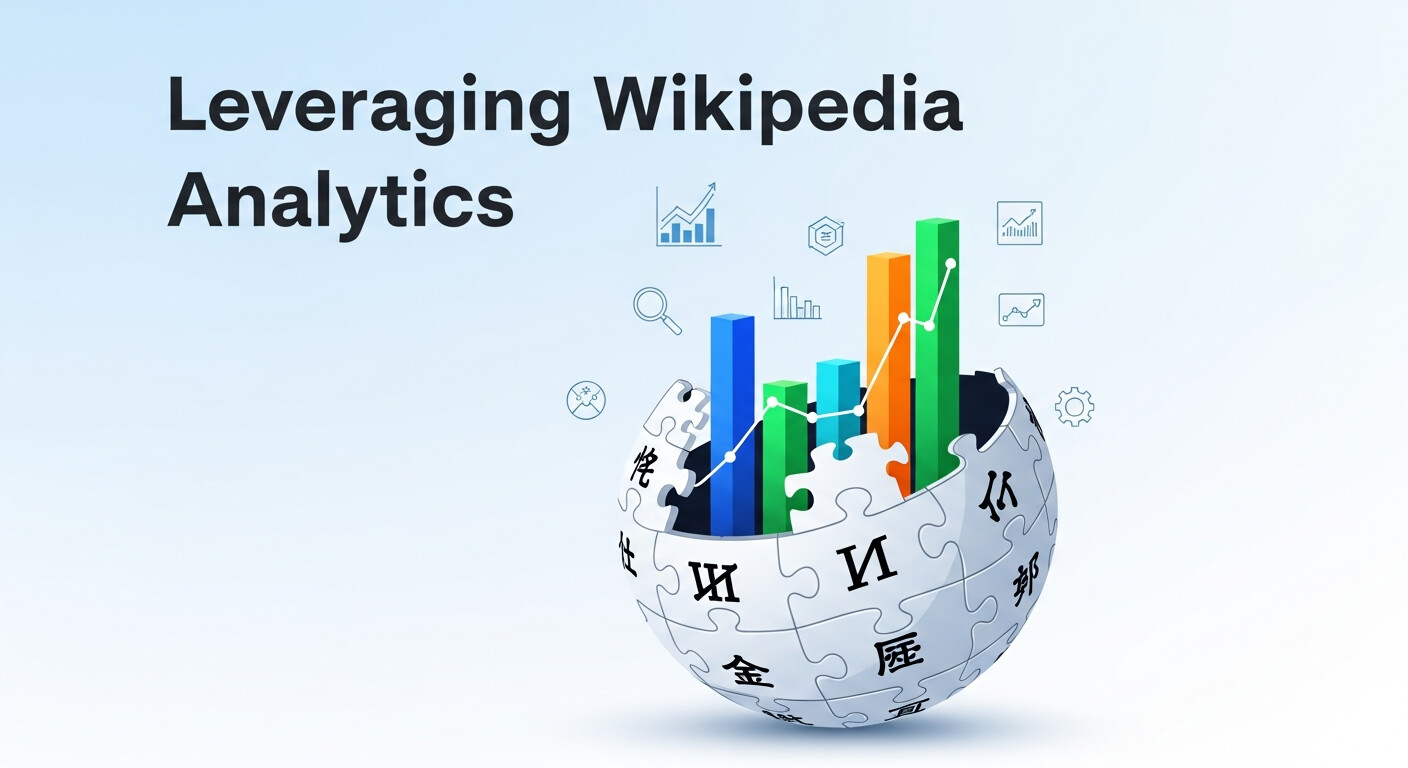
Wikipedia provides insights into how often pages are viewed through tools like Pageviews Analysis. Monitoring these statistics helps you understand public interest trends in real time. For instance, spikes in traffic may coincide with news coverage, product launches, or controversies. By analyzing pageviews, you can anticipate periods of increased scrutiny and proactively check for accuracy or vandalism. Additionally, understanding which sections receive the most attention allows you to prioritize content updates. Integrating this data with broader digital analytics helps maintain a Wikipedia page that aligns with your reputation management and brand awareness goals.
Handling Controversies Strategically
When a controversy arises, Wikipedia often becomes a battleground for public perception. The key is transparency and evidence-based communication. Avoid deleting controversial information; instead, focus on context, balance, and reliable sourcing. Expand relevant sections to provide proportional historical perspective, rather than letting one incident dominate the article. Engage on the Talk page to propose adjustments, ensuring your suggestions comply with Wikipedia’s Neutral Point of View policy. By framing controversies accurately and citing independent sources, you maintain credibility while mitigating disproportionate attention. This approach reinforces trust in your page rather than appearing defensive or manipulative.
Collaborating with Trusted Editors
Building relationships with experienced Wikipedia editors can improve the longevity and quality of your page. Trusted editors understand the platform’s rules, which allows them to help navigate complex issues like sourcing disputes or content disputes. Collaboration isn’t about giving anyone control over your page—it’s about guidance and transparency. Engage respectfully, provide clear references, and respond patiently to feedback. Over time, these relationships can help prevent content issues from escalating and ensure edits follow Wikipedia standards. A network of knowledgeable editors acts as both a safeguard and a resource, reducing the risk of unintentional violations while maintaining your page’s integrity.
Archiving and Documenting Changes
Maintaining a log of edits, sources, and communications is essential for strategic Wikipedia management. By documenting every change you request or monitor, you can defend decisions if disputes arise or content is challenged. Archiving helps track recurring issues, identify vandalism patterns, and measure the impact of updates over time. Additionally, keeping clear records of references and approvals ensures compliance with Wikipedia’s verifiability rules. For organizations, this creates an institutional memory, enabling smoother page transitions if staff or management changes. Systematic documentation turns Wikipedia management from reactive firefighting into a proactive, organized process.
When to Call in the Professionals
Wikipedia page management is time-consuming. It involves learning a proprietary coding language (Wikitext), understanding obscure policies, and debating with anonymous editors who may be hostile to corporate interests.
For many organizations, the risk of making a mistake is too high. A botched edit can lead to a page being “protected” (locked from editing) or having a permanent warning banner placed at the top. This is where professional services like SanMo US come into play.
Professional Wikipedia consultants understand the nuances of the community. They know how to draft edit requests that get approved, how to source information correctly, and how to monitor pages for subtle vandalism. They act as a bridge between the corporate world and the encyclopedic world, ensuring your reputation is protected without violating the site’s ethical standards.
FAQ: Common Wikipedia Management Questions
Can I just write my own Wikipedia page?
Technically, yes, but it is highly inadvisable. Creating a page for yourself or your company is a major Conflict of Interest. Most pages created this way are nominated for deletion within hours because they lack neutrality or proper sourcing. It is safer to submit a draft through the “Articles for Creation” process or consult a professional.
Why was my page deleted?
Pages are usually deleted for one of two reasons: lack of “notability” or being too promotional. Notability is a specific Wikipedia standard requiring significant coverage in multiple independent, reliable secondary sources. If your company hasn’t been written about by major media outlets, it likely doesn’t qualify for a page yet.
Is Wikipedia good for SEO?
Yes, incredibly so. Wikipedia pages almost always rank on the first page of Google results. Additionally, having a Wikipedia page helps generate a Knowledge Panel for your brand, which enhances visibility and authority.
How do I remove false information?
If the information is false and unsourced (or poorly sourced), you can request its removal on the Talk page by providing proof that it is incorrect. For dealing with defamation or legal issues, Wikipedia has a specific ticket system (OTRS) to handle sensitive complaints privately.
The Long Game of Reputation
Managing a Wikipedia page is not a “set it and forget it” task. It is a living document that evolves alongside your brand. As your business grows, releases new products, or changes leadership, your Wikipedia entry should reflect those changes—but only if managed correctly.
The ecosystem is strict, and the editors are protective of their platform. But by respecting the rules, utilizing the Talk pages, and monitoring changes vigilantly, you can turn this high-ranking search result into a pillar of credibility. Whether you handle it in-house or partner with experts like SanMo US, treating your Wikipedia presence with the seriousness it deserves is essential for modern reputation management.