Your reputation used to live in the memories of the people who knew you. Now, it lives online—in search results, comment threads, tagged photos, and old posts you may have forgotten about. A single tweet from years ago can resurface and define how a recruiter, client, or new acquaintance sees you.
Social media has changed the rules of personal reputation management. It gives you powerful tools to build a positive image, but it also exposes you to risks you can’t fully control. One careless post, an unflattering tag, or a negative review can spread faster than you can respond.
This guide breaks down exactly how social media influences your personal reputation, both for better and worse. You’ll learn how to take charge of your online presence, protect yourself from common pitfalls, and build a digital footprint you’re proud of. Whether you’re a job seeker, entrepreneur, or simply someone who wants to manage how the world sees you, these insights will help you stay in control.
At SanMo US, we help people take ownership of their online image. Let’s start with the basics.
What Is Personal Reputation Management?
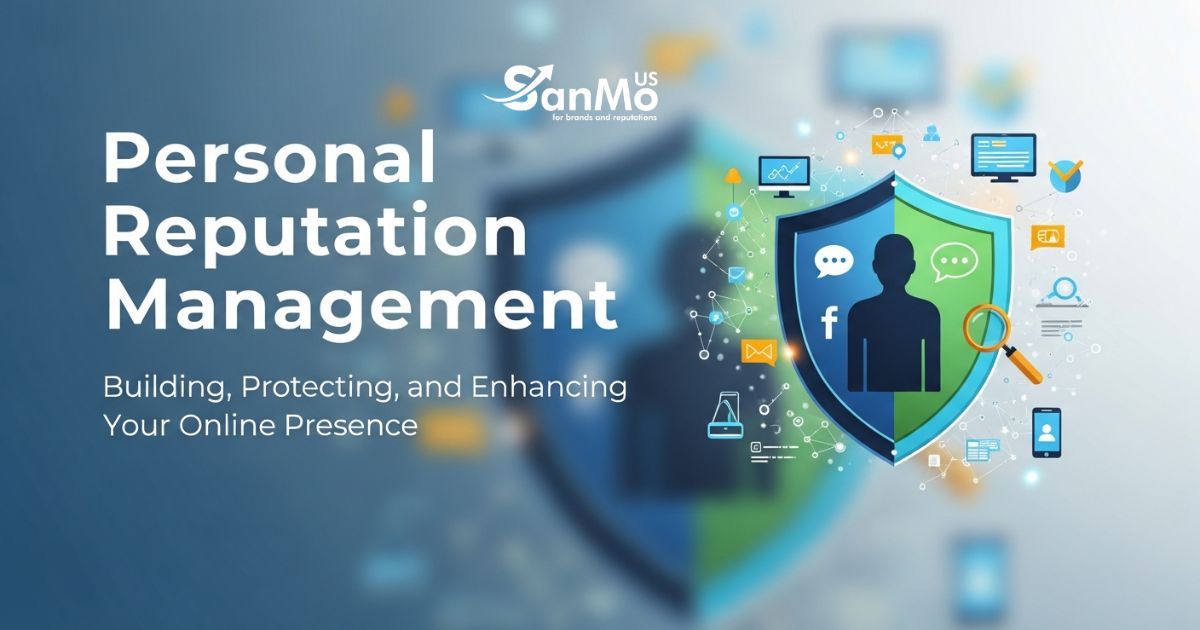
Personal reputation management is the practice of monitoring, shaping, and protecting how you’re perceived online. It covers everything from your social media profiles and search engine results to reviews, comments, and articles that mention your name.
Think of it as actively curating your digital identity. Instead of letting random posts and search results define you, you take deliberate steps to influence the narrative. This might mean creating positive content, responding to criticism professionally, or removing outdated information that no longer represents who you are.
Personal reputation management matters because people form opinions based on what they find online. Studies consistently show that the majority of employers research candidates on social media before making a hiring decision. Clients, business partners, and even potential dates do the same. Your online presence is often the first impression you make—and you only get one chance to make it count.
How Social Media Influences Your Reputation
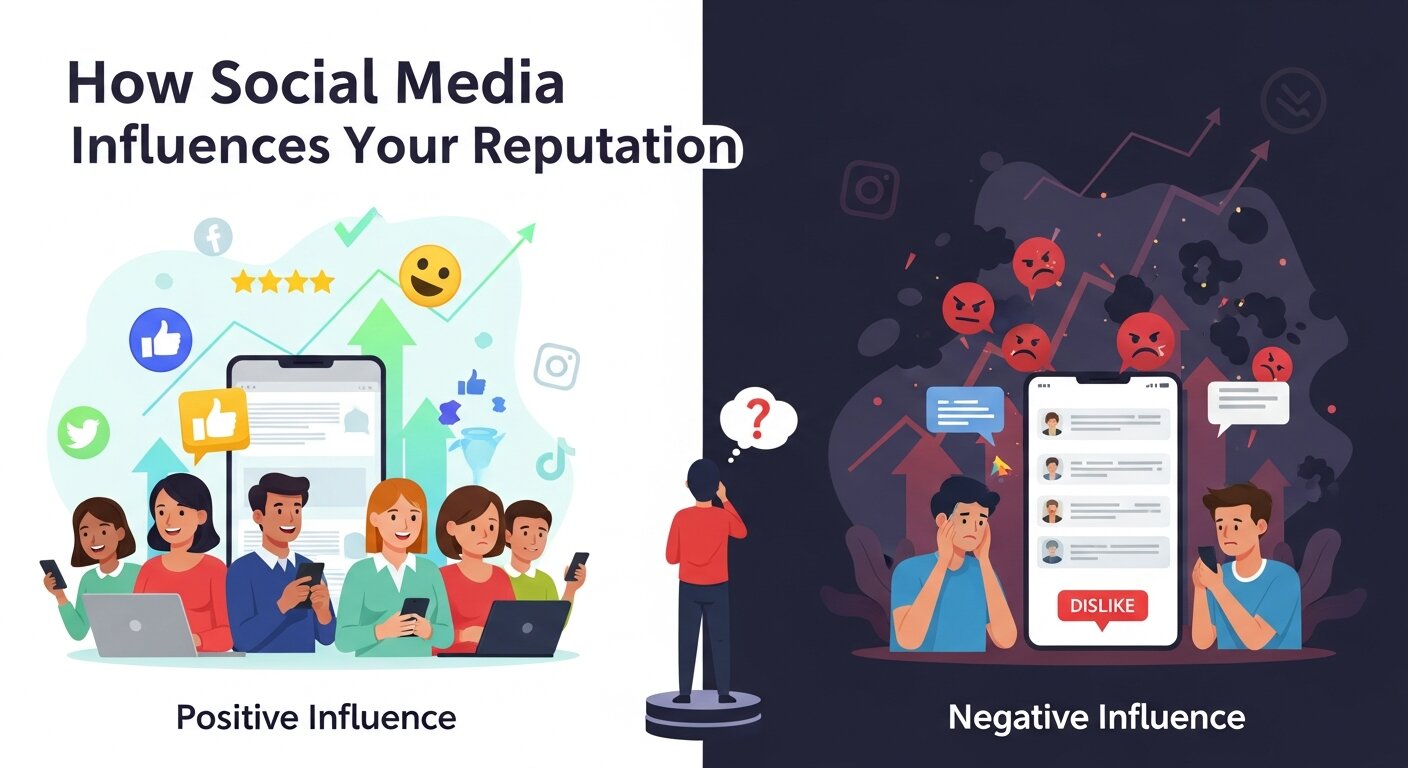 Social media is a double-edged sword. It can elevate your personal brand or damage it in an instant. Understanding both sides helps you use these platforms wisely.
The Positive Side: Building a Strong Personal Brand
When used thoughtfully, social media becomes a powerful asset. Here’s how it works in your favor:
- Showcasing expertise: Sharing valuable insights, articles, and achievements positions you as a knowledgeable voice in your field. Over time, this builds credibility and trust.
- Expanding your network: Platforms like LinkedIn connect you with peers, mentors, and opportunities you’d never reach otherwise.
- Controlling your narrative: You decide what to post and how to present yourself. This gives you the chance to highlight your strengths, values, and accomplishments.
- Demonstrating authenticity: Consistent, genuine engagement helps people see the real you, fostering stronger relationships and a more relatable image.
A well-managed social media presence acts like a living résumé. It tells your story in a way that a static document never could.
The Negative Side: Risks to Your Reputation
The same platforms that build your brand can also tear it down. Common threats include:
- Old or controversial posts: Something you shared years ago might not reflect your current values, yet it can still resurface and cause harm.
- Negative comments and reviews: A single bad review or angry comment can damage trust, especially if you don’t respond appropriately.
- Unflattering tags and photos: Friends or strangers can tag you in content that paints you in a poor light.
- Impersonation and fake accounts: Bad actors may create fake profiles to spread misinformation or damage your name.
- Oversharing: Posting too much personal information can make you vulnerable to judgment, scams, or privacy breaches.
The speed of social media amplifies these risks. Content spreads in seconds, and once it’s out there, it’s nearly impossible to erase completely.
Why Personal Reputation Management Matters More Than Ever
The line between your personal and professional life has blurred. What you post on a Friday night can affect your career on Monday morning. Here’s why staying on top of your reputation has become essential.
First Impressions Happen Online
Before someone meets you in person, they’ve likely already searched your name. Your social media profiles, search results, and any mentions of you form a first impression that’s hard to shake. Managing this impression proactively gives you an edge.
Employers and Clients Are Watching
Hiring managers routinely check candidates’ social media. A polished, professional presence can tip the scales in your favor, while questionable content can cost you the job. The same applies to freelancers and business owners trying to win clients.
Your Digital Footprint Is Permanent
Even deleted posts can live on through screenshots, archives, and shares. This permanence means every post contributes to a lasting record. Treating your online activity with care protects your future self.
Practical Strategies for Managing Your Reputation on Social Media
 You don’t need to be a marketing expert to manage your reputation well. These actionable strategies will help you take control.
1. Audit Your Current Online Presence
Start by searching your own name on Google and across social platforms. Look at what comes up. Are there outdated posts, unflattering photos, or content that doesn’t represent you? Make a list of what you want to keep, update, or remove.
2. Tighten Your Privacy Settings
Review the privacy settings on each platform. Decide what should be public and what should stay private. Limiting who can see your personal posts reduces the risk of unwanted exposure.
3. Post With Intention
Before you share anything, ask yourself: Would I be comfortable with a future employer, client, or family member seeing this? If the answer is no, don’t post it. A moment of restraint can save you from long-term regret.
4. Create Positive, Valuable Content
Fill your profiles with content that reflects your strengths and values. Share your achievements, contribute to discussions in your field, and engage thoughtfully with others. Positive content pushes down anything negative in search results.
5. Monitor Your Name Regularly
Set up Google Alerts for your name so you’re notified whenever new content mentions you. Regular monitoring helps you catch problems early and respond before they escalate.
6. Respond to Negativity Professionally
When you encounter criticism, resist the urge to react emotionally. Respond calmly, address the concern, and show that you handle conflict with grace. A measured response often turns a negative situation into a positive impression.
7. Remove or Bury Harmful Content
For content you can’t control, focus on burying it with newer, positive material. If something is defamatory or violates platform rules, report it or request its removal directly.
How SanMo US Can Help
Managing your personal reputation takes time, consistency, and know-how. That’s where SanMo US comes in. We specialize in helping individuals build, protect, and repair their online image.
Our team monitors your digital presence, identifies risks, and develops strategies to strengthen your reputation. From content creation to crisis management, we provide the tools and expertise you need to put your best foot forward online. Instead of worrying about what people find when they search your name, you can feel confident that your digital identity reflects the real you.
Common Mistakes That Damage Your Personal Reputation
Many people unintentionally harm their online reputation through small but costly mistakes. Posting emotional reactions, engaging in heated arguments, or sharing controversial opinions without considering the consequences can quickly damage how others perceive you. Another common issue is neglecting old social media accounts that contain outdated or unprofessional content. Inconsistent branding across platforms can also confuse people and weaken your credibility. Oversharing personal information is another risk, as it can expose you to privacy concerns and unwanted scrutiny. The key to avoiding these mistakes is to think before posting, regularly review your online presence, and ensure your digital identity reflects the image you want others to see.
The Role of Search Engines in Personal Reputation Management
Search engines play a huge role in shaping your personal reputation because they are often the first place people look for information about you. When someone searches your name, the results create an immediate impression that can influence career opportunities, business relationships, and social connections. Positive articles, professional profiles, and valuable content can strengthen your image, while outdated or negative information may harm it. This is why managing search engine results is essential. Creating high-quality content, maintaining active social media profiles, and updating professional information regularly can help ensure that search results accurately represent who you are and what you stand for.
How to Build a Positive Digital Footprint
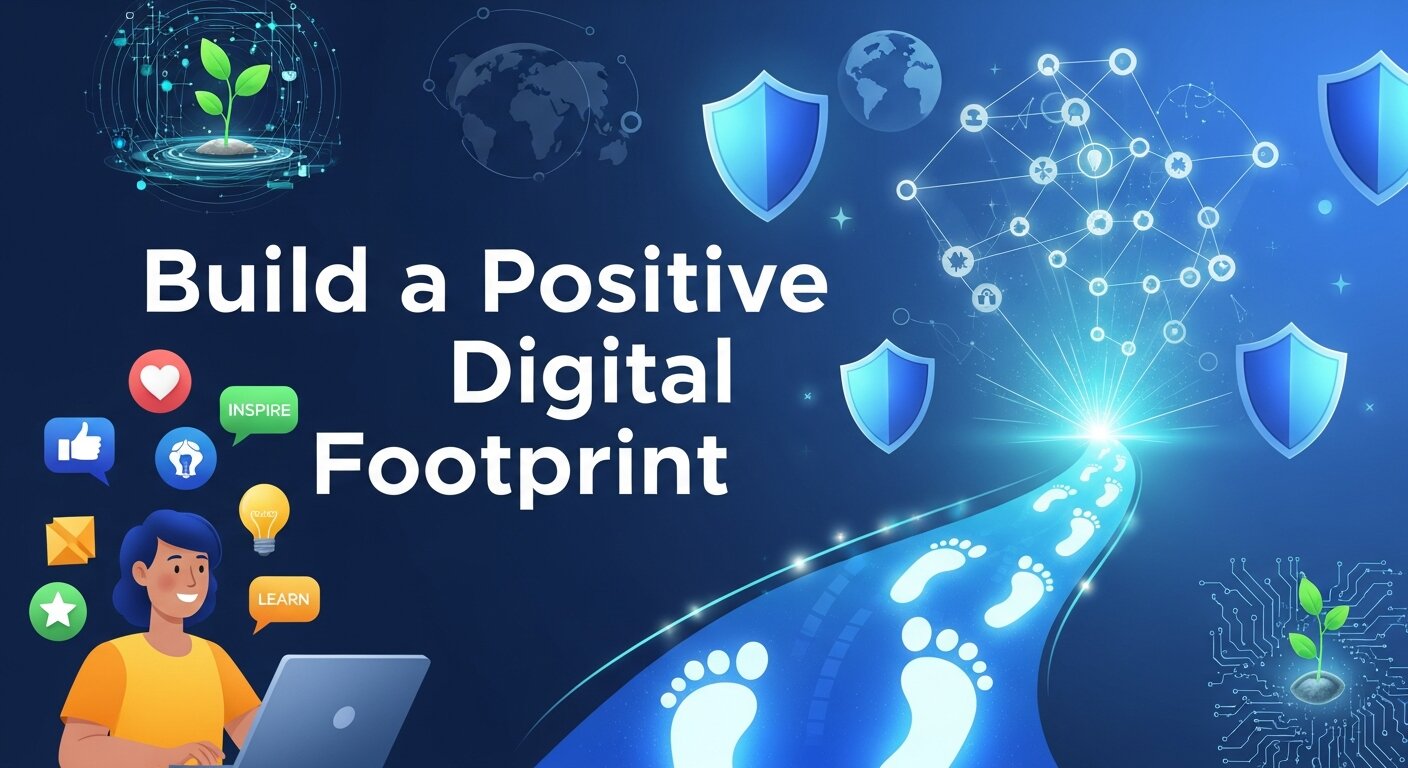 Building a positive digital footprint requires consistency and intentional effort. Start by creating professional profiles on major social media and networking platforms. Share content that demonstrates your expertise, achievements, and interests while maintaining a respectful and authentic voice. Engage positively with others, participate in meaningful discussions, and support causes that align with your values. It’s equally important to remove outdated information and monitor what others post about you online. Over time, these actions create a collection of positive digital signals that reinforce your credibility and trustworthiness. A strong digital footprint not only protects your reputation but also opens doors to new personal and professional opportunities.
Why Consistency Is Essential for Reputation Management
Consistency is one of the most important factors in successful personal reputation management. People trust individuals whose actions, messages, and online presence align across different platforms. If your social media profiles present conflicting information or inconsistent values, it becomes difficult for others to understand who you are. Maintaining a consistent tone, professional image, and clear message helps build credibility over time. This doesn’t mean you need to be perfect—it means being authentic and dependable in how you communicate. Whether you’re posting on social media, responding to comments, or creating content, consistency strengthens trust and ensures your reputation grows in a positive direction.
Frequently Asked Questions
What is personal reputation management?
Personal reputation management is the process of monitoring, shaping, and protecting how you’re perceived online. It involves managing your social media profiles, search results, reviews, and any content that mentions your name to present an accurate, positive image.
How does social media affect my personal reputation?
Social media affects your reputation in both positive and negative ways. It lets you showcase your expertise and build a strong personal brand, but it also exposes you to risks like old controversial posts, negative comments, and unflattering tags that can harm how others see you.
Can deleted social media posts still hurt my reputation?
Yes. Even after you delete a post, it can live on through screenshots, web archives, and shares by others. This is why it’s important to think carefully before posting anything online, since your digital footprint can be permanent.
How often should I check my online reputation?
You should monitor your online presence regularly—ideally at least once a month. Setting up Google Alerts for your name makes this easier by notifying you whenever new content mentions you, so you can respond to issues quickly.
How do I respond to negative comments or reviews?
Respond calmly and professionally. Avoid reacting emotionally or getting defensive. Acknowledge the concern, offer a solution where possible, and demonstrate that you handle criticism with maturity. A thoughtful response often improves how others perceive you.
Should I hire a professional reputation management service?
If you’re struggling to manage your online image, facing a reputation crisis, or simply want expert support, a professional service like SanMo US can help. These services monitor your presence, build positive content, and develop strategies to protect and strengthen your reputation.
Take Control of Your Digital Story
 Social media will keep shaping how the world sees you, whether you manage it or not. The good news is that you hold more power than you might think. By auditing your presence, posting with intention, and responding to challenges thoughtfully, you can build a reputation that opens doors instead of closing them.
Start small. Search your name today, review your privacy settings, and commit to sharing content that reflects who you really are. Over time, these habits compound into a strong, authentic digital identity. If you’d like expert guidance along the way, SanMo US is here to help you take charge of your personal reputation management. Reach out to learn how we can protect and elevate your online image.