The software development landscape has shifted dramatically over the past decade. What once required months of manual coding, siloed teams, and expensive infrastructure can now be accomplished faster, smarter, and at a fraction of the cost—thanks to a new generation of technologies that are redefining what modern software development services look like.
For businesses evaluating a software development partner, understanding these technologies matters. Not just as a checklist of buzzwords, but as a lens through which to assess whether a vendor is equipped to build solutions that scale, adapt, and deliver real business value.
At SanMo US, our software development services are built on a foundation of proven, cutting-edge technologies—selected not for novelty, but for their ability to solve real problems. This post breaks down the key technologies powering modern software development today, why they matter, and how they’re shaping the future of custom-built software solutions.
Why Technology Choices Define the Quality of Software Development Services
Before diving into specific technologies, it’s worth understanding why the tech stack matters so much. Two development teams can build the same product—and produce wildly different results—simply based on the tools, frameworks, and methodologies they use.
The right technologies accelerate delivery, reduce technical debt, improve security, and make it easier to scale. The wrong ones create fragile systems that are expensive to maintain and difficult to improve. For businesses investing in software development services, the technology choices made early in a project have long-lasting consequences.
That’s why forward-thinking development partners—like SanMo US—take a deliberate, outcome-first approach to selecting the technologies they build with.
Cloud-Native Development: Building for Scale from Day One
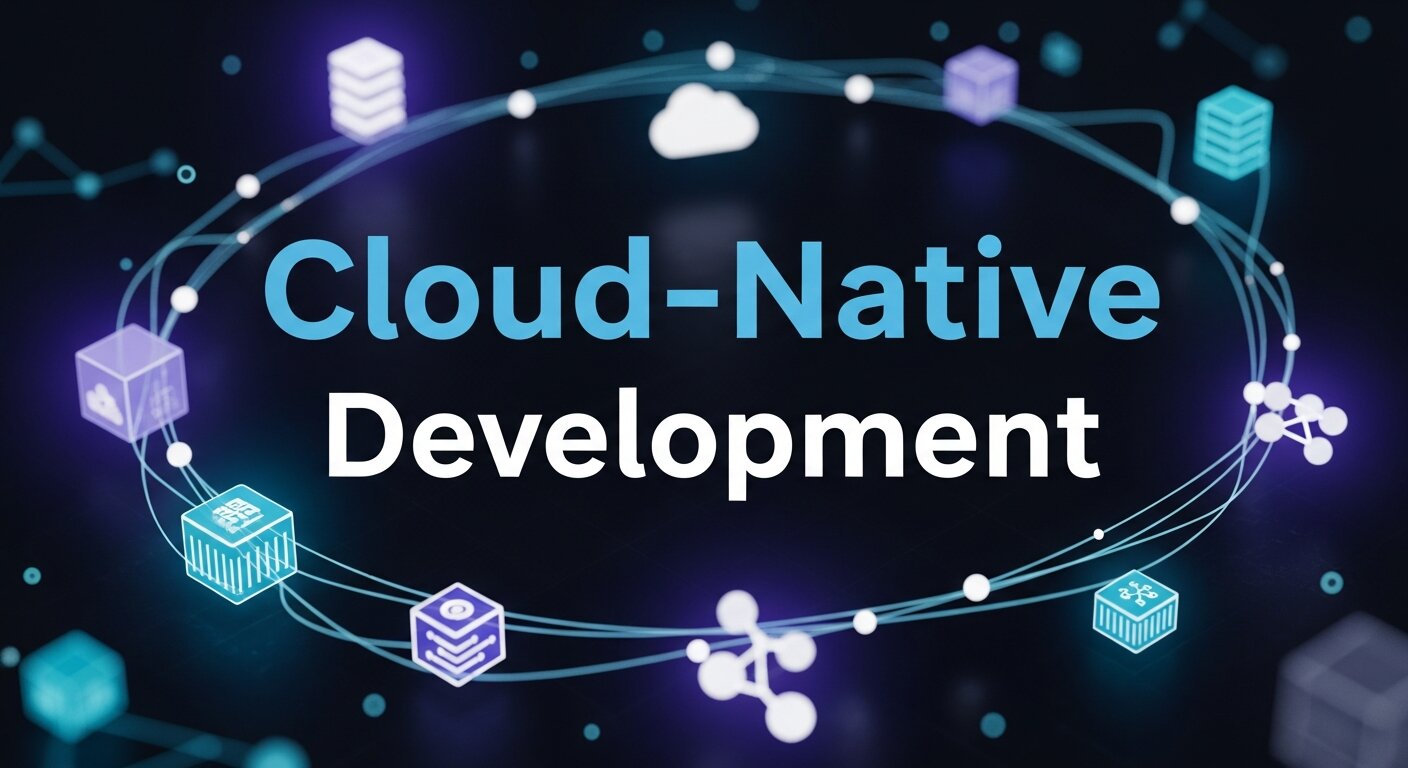 Cloud-native development has become the standard for modern software projects, and for good reason. Rather than building applications that run on traditional servers and then migrating them to the cloud, cloud-native development means designing software specifically for cloud environments from the ground up.
This approach leverages services from providers like Amazon Web Services (AWS), Microsoft Azure, and Google Cloud Platform (GCP) to deliver applications that are inherently scalable, resilient, and cost-efficient. Microservices architecture—where an application is broken into small, independently deployable services—is a cornerstone of this approach, allowing development teams to update individual components without disrupting the entire system.
For businesses, the practical benefits are significant. Cloud-native applications can scale automatically in response to user demand, recover quickly from failures, and be deployed and updated without downtime. These aren’t luxuries—they’re expectations in today’s competitive environment.
Containerization and Orchestration with Docker and Kubernetes
Closely tied to cloud-native development are containerization technologies like Docker and orchestration platforms like Kubernetes. Containers allow applications to run consistently across different environments—from a developer’s laptop to a production server—eliminating the notorious “it works on my machine” problem.
Kubernetes takes this further by automating the deployment, scaling, and management of containerized applications. For development teams working on complex, multi-service architectures, Kubernetes has become an essential tool for maintaining control and reliability at scale.
Artificial Intelligence and Machine Learning Integration
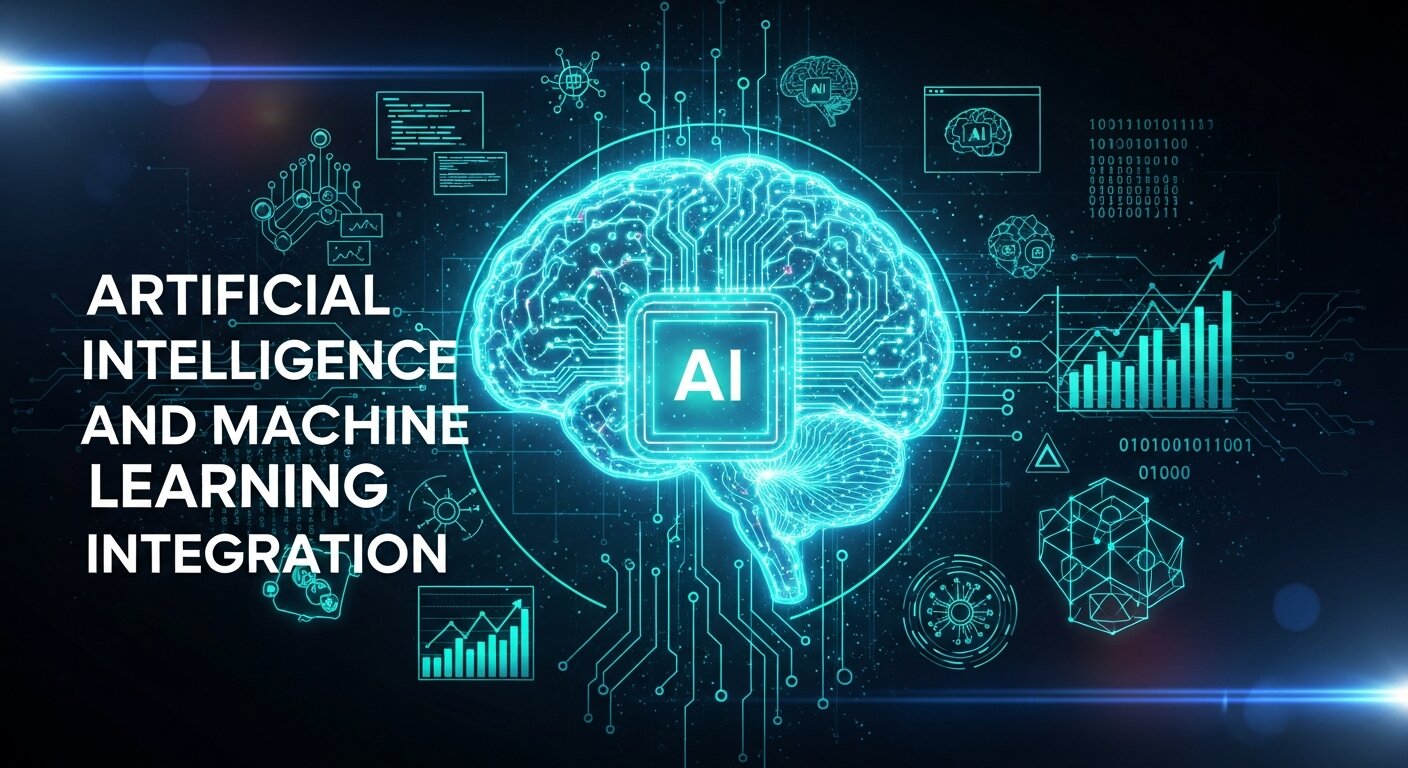 AI and machine learning are no longer confined to specialized research projects. They’re being integrated directly into software products across industries—from predictive analytics and intelligent automation to natural language processing and computer vision.
Modern software development services increasingly include the capability to embed AI-powered features into custom applications. This might mean integrating a recommendation engine into an e-commerce platform, building a fraud detection system for a financial services firm, or developing a predictive maintenance tool for a manufacturing client.
The availability of mature ML frameworks—such as TensorFlow, PyTorch, and scikit-learn—along with cloud-based AI services from AWS, Azure, and Google, has made it far more practical to incorporate machine learning into business applications without requiring a dedicated data science department.
What’s important to understand is that AI integration is a capability that requires both technical expertise and strategic clarity. The best software development partners help clients identify where AI genuinely adds value, rather than applying it indiscriminately.
Low-Code and No-Code Platforms: Accelerating Development Without Cutting Corners
Low-code and no-code platforms—such as Microsoft Power Platform, OutSystems, and Mendix—have earned a legitimate place in the modern software development toolkit. These platforms allow developers to build functional applications through visual interfaces and pre-built components, significantly reducing the time required to develop certain types of solutions.
It’s worth being precise about where these platforms excel. They’re particularly well-suited for internal business tools, workflow automation, and rapid prototyping. For highly customized, complex, or performance-intensive applications, traditional custom development remains the better choice.
Experienced software development teams use low-code platforms strategically—deploying them where speed matters most and reserving custom development for the components that require it. The result is faster delivery without compromising quality.
DevOps and CI/CD: The Backbone of Reliable Software Delivery
Technology is only part of the story. The processes and practices that govern how software is built and delivered are equally important—and DevOps has fundamentally changed both.
DevOps brings development and operations teams together, fostering a culture of collaboration, shared responsibility, and continuous improvement. Central to this is CI/CD—Continuous Integration and Continuous Deployment. CI/CD pipelines automate the process of testing and deploying code changes, allowing development teams to release updates frequently and with confidence.
For clients working with a software development services provider, CI/CD pipelines mean shorter feedback loops, faster time-to-market, and a significant reduction in the risk associated with each release. Rather than large, infrequent deployments that carry substantial risk, teams can push smaller, well-tested changes on a regular cadence.
Tools like Jenkins, GitHub Actions, GitLab CI, and CircleCI are commonly used to build and manage these pipelines, and they’ve become standard practice for any development team operating at a professional level.
API-First Development and System Integration
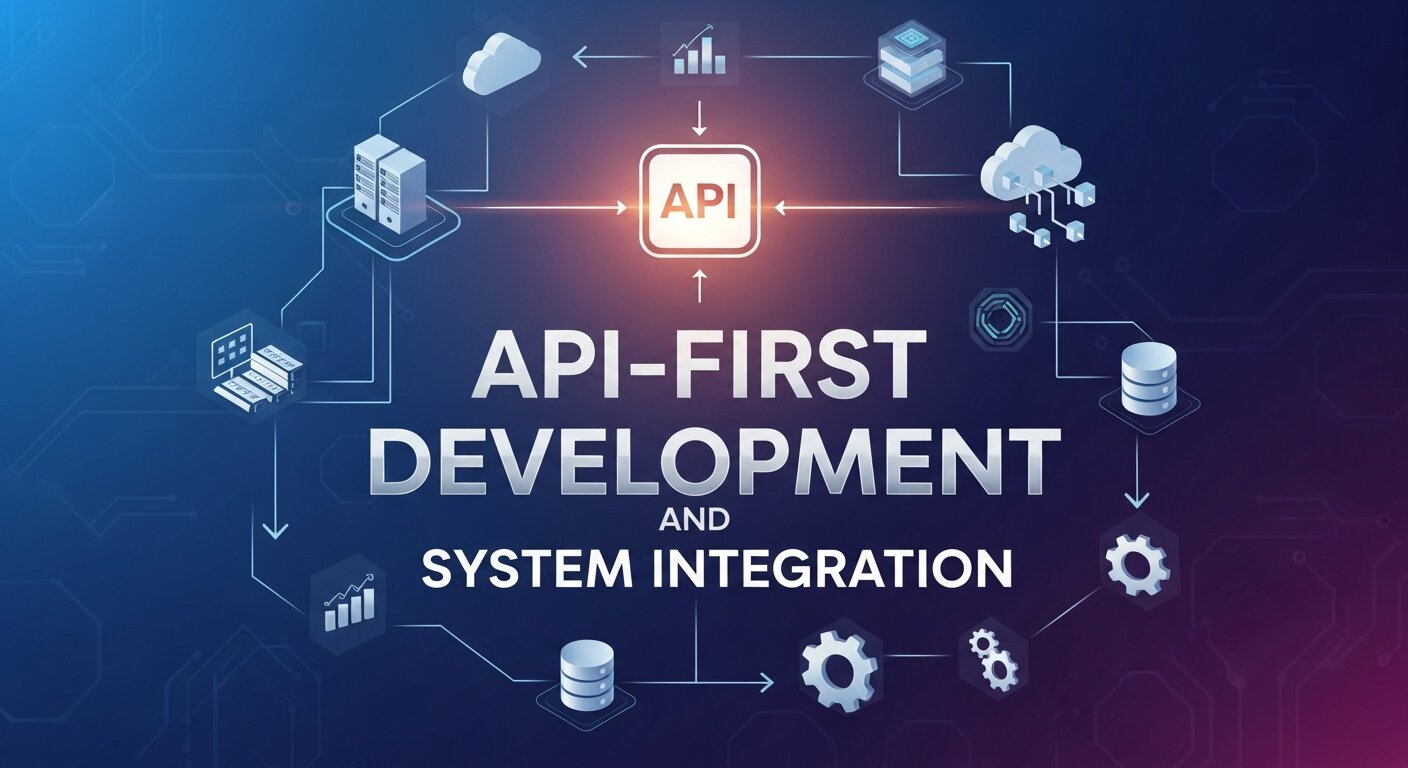 Modern software rarely operates in isolation. Applications need to connect with payment gateways, CRM systems, third-party data providers, internal databases, and a growing ecosystem of digital services. API-first development addresses this reality by designing software with integration as a primary consideration from the start.
An API-first approach means that each component of a system exposes a well-defined interface, making it straightforward to connect with other systems—both now and in the future. This architecture supports flexibility and longevity, two qualities that matter enormously to businesses that expect their software to evolve alongside their needs.
RESTful APIs and GraphQL have emerged as the dominant standards for web-based integrations, with GraphQL gaining particular traction for its ability to let clients request exactly the data they need—nothing more, nothing less.
For SanMo US clients, API-first development is a core principle that ensures the software we build doesn’t become a walled garden. It’s built to connect, adapt, and grow.
Cybersecurity: A Development Priority, Not an Afterthought
Security breaches cost businesses millions of dollars annually—and reputational damage that’s even harder to quantify. The most effective defense isn’t a security audit conducted after software is built. It’s security practices embedded throughout the entire development process.
This approach, known as DevSecOps, integrates security testing, vulnerability scanning, and compliance checks directly into the CI/CD pipeline. Static application security testing (SAST) and dynamic application security testing (DAST) tools—such as Snyk, SonarQube, and OWASP ZAP—help identify vulnerabilities before they reach production.
For businesses in regulated industries—healthcare, finance, legal—security-by-design is non-negotiable. But it’s a standard that every software development partner should be meeting, regardless of industry.
Progressive Web Apps and Cross-Platform Development
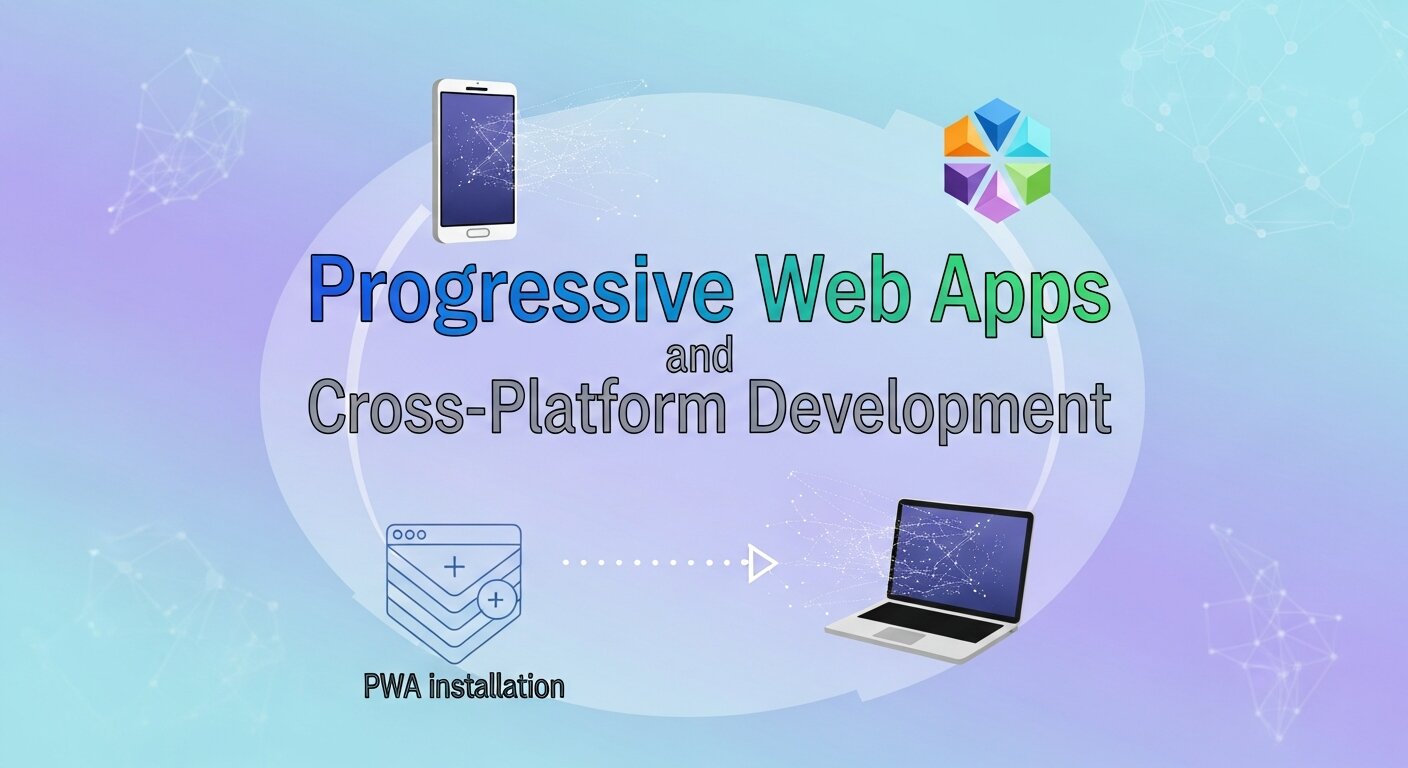 User experience expectations have shifted. People expect software to work seamlessly across devices—desktop, tablet, mobile—without sacrificing performance or functionality. Meeting that expectation efficiently is a challenge that modern development technologies are increasingly well-equipped to address.
Progressive Web Apps (PWAs) combine the accessibility of web applications with the performance and user experience of native mobile apps. They load quickly, work offline, and can be installed on a user’s device without going through an app store.
For teams building cross-platform mobile applications, frameworks like React Native and Flutter have become leading choices. Both allow developers to write a single codebase that runs on both iOS and Android, reducing development time and ensuring consistency across platforms.
The right choice between PWA, React Native, Flutter, or native development depends on the specific requirements of each project—and a knowledgeable development partner will help clients make that call with clarity.
FAQ: Software Development Services and Modern Technologies
What technologies are most important in modern software development services?
Cloud-native development, AI and ML integration, CI/CD pipelines, API-first architecture, and robust cybersecurity practices are among the most impactful technologies in modern software development. The right combination depends on the specific goals, industry, and scale of each project.
How do I know if a software development partner is using the right technologies?
Ask about their tech stack, how they approach cloud infrastructure, what their CI/CD process looks like, and how they handle security during development. A credible partner will be able to explain not just what they use, but why—and how those choices serve your specific needs.
Is low-code development suitable for enterprise-grade applications?
Low-code platforms are well-suited for internal tools, workflow automation, and rapid prototyping. For complex, high-performance, or highly customized enterprise applications, traditional custom development typically delivers better long-term outcomes. Many experienced teams use a combination of both approaches.
How does DevOps improve the software development process?
DevOps brings development and operations teams together and automates the testing and deployment pipeline through CI/CD. This results in more frequent, reliable releases, shorter feedback loops, and a reduced risk of production failures.
What should I look for in a software development services company?
Look for technical depth across a modern stack, clear communication practices, a structured project management approach, and evidence of successful past projects. A strong partner should also demonstrate an ability to understand your business context—not just your technical requirements.
How does SanMo US approach new software development projects?
SanMo US begins every engagement with a discovery phase to understand the client’s goals, constraints, and technical environment. From there, we recommend the appropriate technology stack, define a delivery roadmap, and work collaboratively with clients throughout the development process.
What Makes SanMo US a Trusted Software Development Services Partner
Staying current with technology is necessary but not sufficient. What distinguishes a capable software development partner is the ability to apply the right technologies to the right problems—with the communication, project management, and quality assurance practices to back it up.
SanMo US brings together experienced engineers, a structured development methodology, and a genuine commitment to client outcomes. From cloud-native architecture and AI integration to DevOps practices and cross-platform development, our software development services are built to deliver solutions that work today and scale for tomorrow.
We don’t build software for its own sake. We build software that solves problems, creates value, and supports the growth of the businesses we work with.