Ranking on Google doesn’t happen by accident. Behind every website that consistently appears at the top of search results is a deliberate, well-executed SEO strategy—one that covers far more than just keywords. For businesses serious about long-term digital growth, complete SEO services offer a structured, multi-layered approach that compounds over time and delivers results that paid advertising simply can’t replicate.
This post breaks down what complete SEO services actually include, why a piecemeal approach falls short, and how partnering with the right SEO team—like SanMo US—can transform your website from a digital brochure into a lead-generating engine.
Whether you’re starting from scratch or looking to fix a strategy that’s stalled, understanding what goes into a full-service SEO engagement is the first step toward making smarter marketing decisions.
What Are Complete SEO Services?
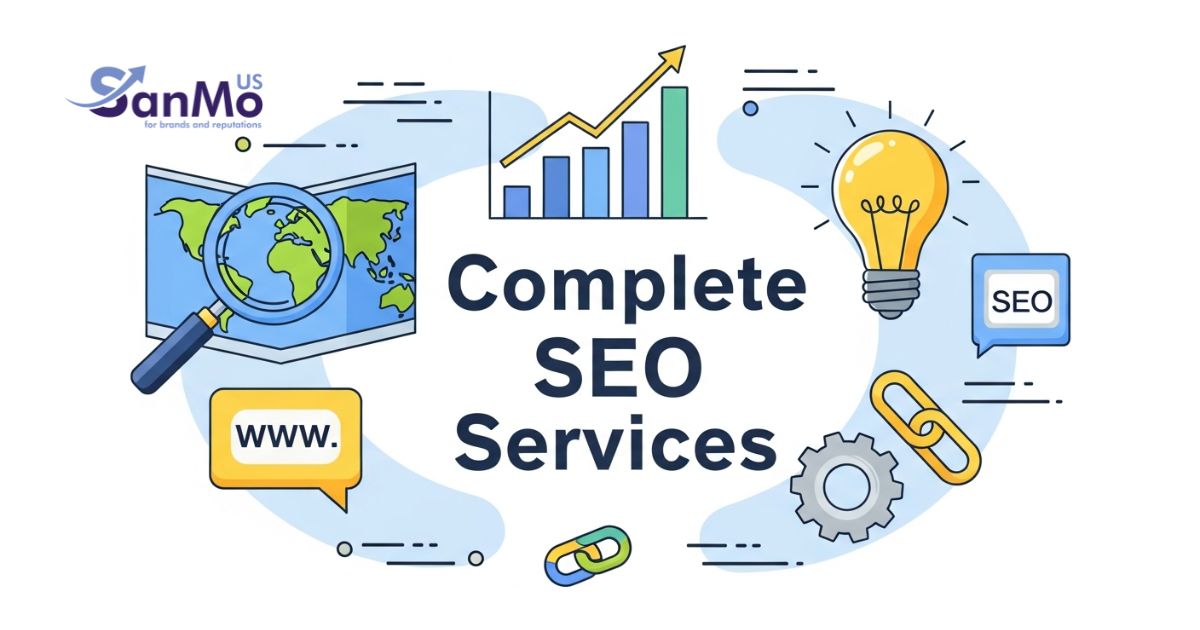
Complete SEO services refer to a comprehensive suite of search engine optimization strategies designed to improve every aspect of a website’s visibility in organic search. Rather than focusing on one element in isolation—say, blog content or backlinks—complete SEO addresses the technical foundation, on-page content, off-page authority, and ongoing performance monitoring all at once.
Think of it like maintaining a high-performance vehicle. You can’t just fuel it up and ignore the engine, tires, and transmission. Every component needs attention, and they all work together. SEO is no different.
A complete SEO package typically includes:
- Technical SEO – site speed, crawlability, indexing, and mobile optimization
- On-page SEO – keyword targeting, content structure, meta data, and internal linking
- Off-page SEO – link building, brand citations, and digital PR
- Content strategy – blog posts, landing pages, and topic cluster development
- Local SEO – Google Business Profile optimization, local citations, and geo-targeted content
- Analytics and reporting – tracking rankings, traffic, and conversions to refine strategy over time
Each pillar reinforces the others. Strong content means nothing if search engines can’t crawl your site. Great backlinks lose their power if the landing pages they point to are slow or poorly optimized.
Why Piecemeal SEO Doesn’t Deliver Lasting Results
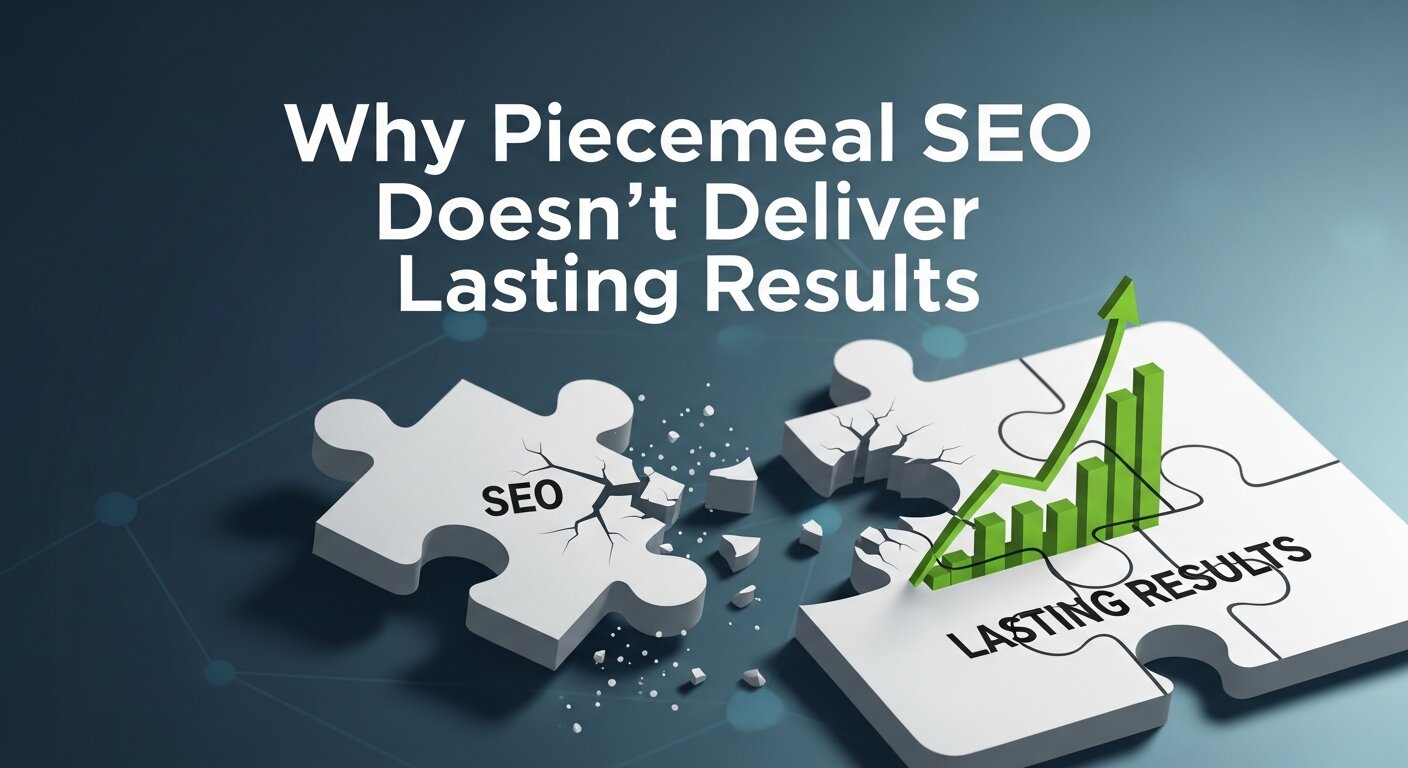 Many businesses dip their toes into SEO by addressing one piece at a time—fixing a few technical errors here, publishing a blog post there. While this isn’t entirely without value, it rarely produces sustainable growth.
The reason is simple: Google’s algorithm evaluates hundreds of ranking factors simultaneously. A site with stellar content but poor technical performance will still struggle to rank. A technically flawless site with no backlinks and thin content won’t outrank competitors who’ve invested more broadly.
Partial SEO efforts also tend to create blind spots. A business might spend months producing content without realizing its pages are blocked from being indexed. Another might build a solid backlink profile, only to lose rankings because its mobile experience is poor.
Complete SEO services eliminate those blind spots. Every part of the strategy is addressed, monitored, and adjusted together—giving your site the best possible foundation for long-term organic performance.
The Core Components of a Complete SEO Strategy
Technical SEO: Building on Solid Ground
Technical SEO is the backbone of any effective strategy. It ensures that search engines can efficiently crawl, understand, and index your website. Key technical factors include:
- Site speed: Page load time directly affects both user experience and rankings. Google uses Core Web Vitals as a ranking signal, meaning slow pages are actively penalized.
- Mobile-friendliness: With mobile devices accounting for the majority of global web traffic, Google prioritizes mobile-first indexing.
- Crawlability and indexation: If search engines can’t reach your pages, those pages won’t rank—regardless of their content quality.
- Structured data: Schema markup helps search engines better understand your content and can improve how your listings appear in search results (e.g., star ratings, FAQs, and rich snippets).
A thorough technical audit is typically the starting point for any complete SEO engagement. It surfaces issues that may have been quietly undermining performance for months or even years.
On-Page SEO: Making Every Page Count
On-page SEO focuses on optimizing the content and structure of individual pages to align with what users are searching for. This includes keyword research and targeting, meta titles and descriptions, header tag hierarchy, internal linking, and image optimization.
Effective on-page SEO isn’t just about inserting keywords—it’s about understanding search intent. A user searching “how to reduce churn rate” wants an educational resource. A user searching “customer success platform pricing” is closer to making a purchase decision. The content, format, and call-to-action for each of those pages should be completely different.
Getting this right requires a deep understanding of your audience, your industry, and how your potential customers search at each stage of the buying journey.
Off-Page SEO: Earning Authority and Trust
Off-page SEO encompasses everything that happens outside your website to influence your rankings—most notably, link building. Backlinks from reputable, relevant websites signal to Google that your content is trustworthy and authoritative.
Not all links are equal. A single backlink from a high-authority industry publication can outweigh dozens of links from low-quality directories. That’s why complete SEO services include a strategic approach to link acquisition—through digital PR, content partnerships, guest posting, and brand mention monitoring.
Off-page SEO also includes managing your brand’s presence across the web: consistent NAP (name, address, phone) citations for local businesses, social signals, and reputation management.
Content Strategy: Fueling Long-Term Growth
Content is the vehicle through which SEO delivers value to your audience. A well-designed content strategy maps topics to search intent, builds out topic clusters around core service areas, and creates resources that attract both links and traffic over time.
This is where many businesses underinvest. Posting a few blogs without a coherent structure rarely moves the needle. But a deliberate content strategy—one that aligns with keyword opportunities, addresses your audience’s real questions, and supports your conversion funnel—creates compounding returns. Pages published today can continue driving traffic for years.
Local SEO: Capturing Nearby Customers
For businesses that serve specific geographic markets, local SEO is essential. This involves optimizing your Google Business Profile, building local citations across directories, earning reviews, and creating location-specific content.
Local SEO matters because search behavior is increasingly location-driven. Searches like “SEO agency near me” or “digital marketing services in [city]” are high-intent queries from users ready to take action. Ranking for these terms can directly drive inquiries and revenue.
SanMo US specializes in helping businesses capture local search visibility alongside broader organic growth—ensuring no opportunity within your target market is left on the table.
Reporting and Analytics: Measuring What Matters
SEO without measurement is guesswork. Complete SEO services include regular reporting on key performance indicators: organic traffic, keyword rankings, click-through rates, conversion rates, and more.
More importantly, the data should inform ongoing strategy. If certain content is outperforming expectations, that signals an opportunity to expand. If rankings plateau, it may indicate a need for more aggressive link building or a technical issue to investigate. The best SEO agencies treat reporting as a strategic tool, not just a monthly formality.
How SanMo US Delivers Complete SEO Services
SanMo US takes a holistic approach to SEO—one built around the specific goals, industry, and competitive landscape of each client. Rather than offering cookie-cutter packages, SanMo US develops tailored strategies that address the full spectrum of SEO requirements, from initial technical audits through to content production, link building, and performance tracking.
The focus is always on sustainable, organic growth. That means avoiding shortcuts and black-hat tactics that may produce short-term gains but ultimately harm your site’s long-term standing with search engines.
For businesses ready to treat SEO as a long-term investment rather than a quick fix, SanMo US provides the expertise, infrastructure, and strategic thinking to make it work.
Common Mistakes Businesses Make with SEO
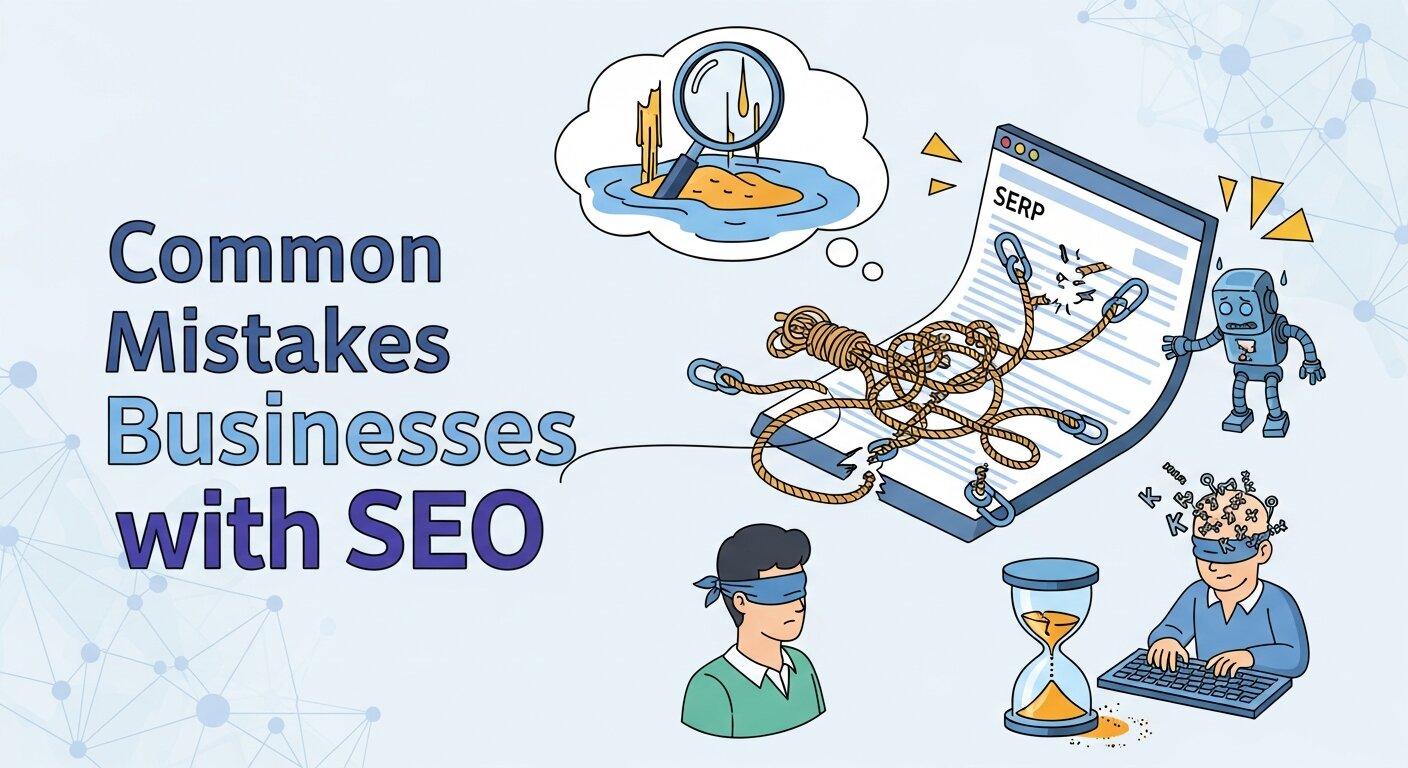 Many businesses invest in SEO but fail to achieve lasting results because they focus on shortcuts instead of strategy. Common mistakes include targeting the wrong keywords, neglecting technical issues, publishing low-quality content, and expecting immediate rankings. Some rely too heavily on automated tools without reviewing the user experience, while others ignore mobile optimization or fail to update outdated pages. These gaps reduce search visibility and make it harder to compete in crowded markets. Complete SEO services help avoid these pitfalls by creating a balanced approach that combines technical improvements, content optimization, authority building, and continuous monitoring. The result is a stronger website that performs consistently and adapts to changing search engine algorithms.
Why Ongoing SEO Maintenance Is Essential
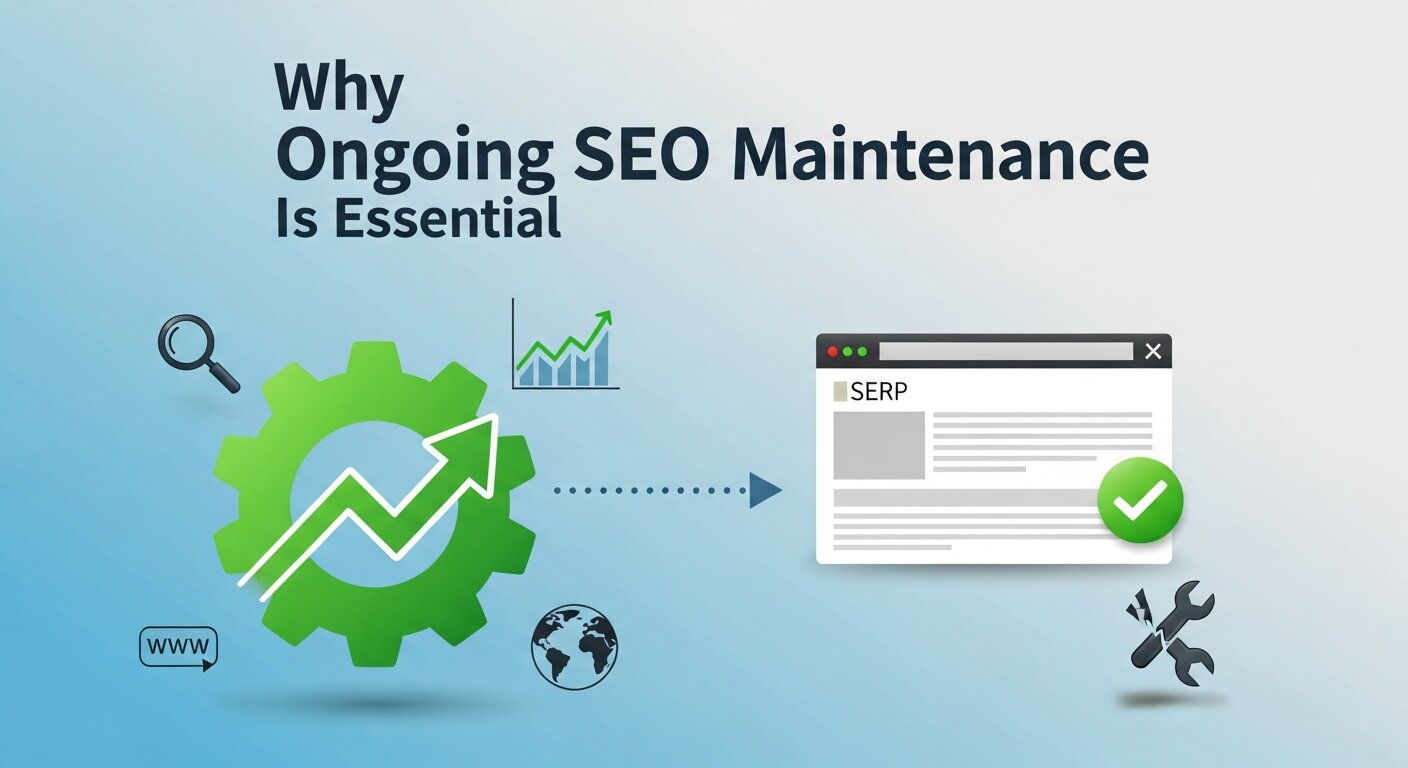 SEO is not a one-time project that can be completed and forgotten. Search engine algorithms evolve regularly, competitors continue improving their websites, and customer search behavior changes over time. Without ongoing optimization, even well-ranked pages can gradually lose visibility. Regular SEO maintenance includes updating existing content, fixing technical issues, monitoring keyword performance, improving page speed, and identifying new ranking opportunities. It also ensures your website remains compliant with the latest best practices and continues providing a positive user experience. Businesses that treat SEO as an ongoing process are better positioned to maintain rankings, attract qualified traffic, and generate consistent leads over the long term.
How to Choose the Right SEO Service Provider
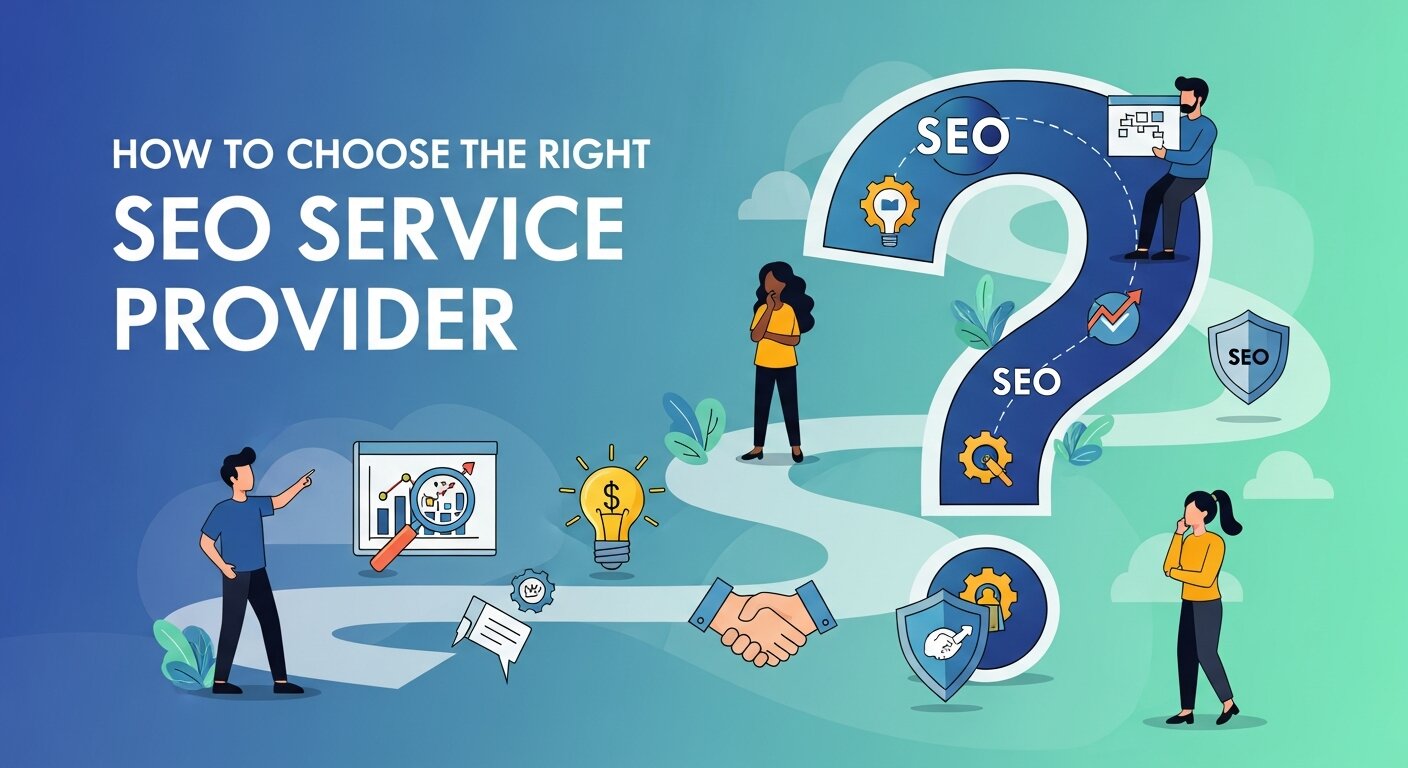 Selecting the right SEO partner can have a significant impact on your business growth. Look for an agency that offers a complete, transparent strategy instead of promising instant rankings or guaranteed first-page results. A reliable SEO provider should begin with a detailed website audit, explain their optimization process, provide regular performance reports, and tailor strategies to your business goals. Experience across technical SEO, content marketing, on-page optimization, and link building is equally important. Strong communication and measurable results are key indicators of a trustworthy partner. By choosing an agency that focuses on sustainable growth, businesses can build long-term search visibility and achieve a higher return on their marketing investment.
Frequently Asked Questions About Complete SEO Services
How long does it take to see results from complete SEO services?
SEO is a long-term strategy. Most businesses begin to see meaningful improvements in rankings and organic traffic within 3 to 6 months of consistent effort. Highly competitive industries may take longer. The key is consistency—SEO compounds over time, so earlier investment typically means greater returns down the road.
What’s the difference between complete SEO services and basic SEO?
Basic SEO typically addresses a narrow slice of the optimization landscape—often just on-page elements or content. Complete SEO services cover all critical components simultaneously: technical health, on-page optimization, content strategy, link building, local SEO, and analytics. This integrated approach is far more effective for sustainable growth.
How much do complete SEO services cost?
Costs vary depending on the scope of work, the competitiveness of your industry, and the agency you partner with. Many businesses find that the ROI of complete SEO services—particularly the long-term compounding of organic traffic—far outweighs the investment compared to paid advertising.
Can I do SEO myself, or do I need a professional agency?
Some basic SEO tasks—like optimizing page titles or improving site speed—can be handled in-house with the right tools. But a truly comprehensive strategy requires significant expertise, time, and resources. For businesses serious about sustainable growth, working with a professional SEO agency like SanMo US ensures nothing critical falls through the cracks.
How does SanMo US approach SEO differently?
SanMo US develops customized SEO strategies tailored to each client’s goals, industry, and competitive environment. Rather than applying a one-size-fits-all formula, the SanMo US team focuses on integrated, sustainable tactics that drive measurable results over time.
Is local SEO included in complete SEO services?
Yes. For businesses that operate in specific geographic markets, local SEO is a critical component of any complete strategy. This includes Google Business Profile optimization, local citation building, and geo-targeted content development.
The Long-Term Value of Investing in Complete SEO
Paid advertising stops the moment you stop spending. Organic search traffic, built through complete SEO services, keeps delivering—even when your budget fluctuates.
This compounding nature of SEO is one of its most powerful qualities. A well-optimized page can rank for years. A strong backlink profile grows more valuable over time. A content library that answers your audience’s most important questions builds brand authority that’s difficult for competitors to replicate quickly.
Businesses that invest consistently in complete SEO services typically see gradual but steady growth in traffic, leads, and revenue—without the volatility that comes with relying solely on paid channels.