Building a brand online can feel like an impossible puzzle. You post a brilliant photo, write a clever caption, and wait for the likes to roll in. Hours pass, and you are left with a handful of views. Many businesses start their digital marketing journey with high hopes, only to find that grabbing attention requires more than just showing up.
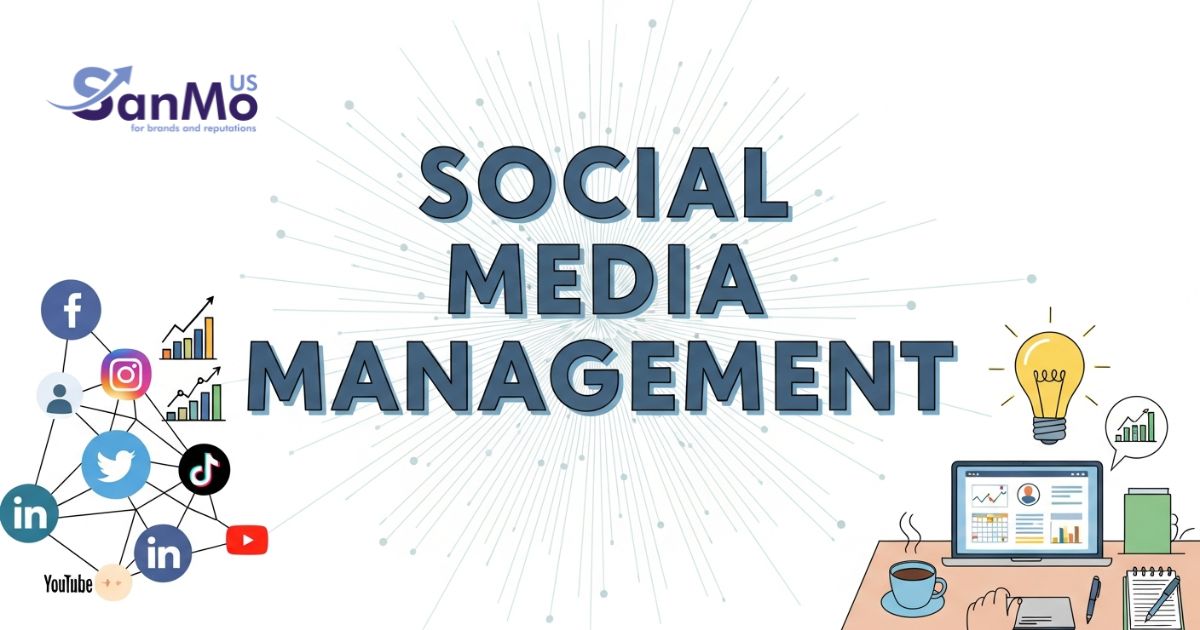
Mastering social media management is a crucial skill for modern brands. It goes beyond simply scheduling posts or replying to comments. True management involves strategy, analytics, community building, and a deep understanding of human psychology. When done right, it transforms silent observers into vocal advocates for your brand.
This guide provides actionable tips to elevate your online presence. We will explore how to set realistic goals, create content that resonates, and measure your success accurately. By implementing these strategies, you can turn a struggling social media account into a thriving community. Let us explore the steps to take your brand from zero to hero.
Understanding the Core of Social Media Management
Social media management is the process of creating, publishing, and analyzing content across different digital platforms. It also involves engaging with users and managing the overall digital reputation of a brand. Many people confuse this with digital marketing as a whole, but management specifically focuses on the organic, day-to-day operations of your social accounts.
For a business, this means having a clear voice and a consistent posting schedule. You need to know exactly why you are on a specific platform. A law firm might find great success sharing industry insights on LinkedIn, while a bakery will thrive on the highly visual feeds of Instagram or Pinterest.
Effective social media management requires aligning your platform choice with your business objectives. You must establish standard operating procedures for how you handle customer complaints, user-generated content, and trending topics. A solid foundation prevents you from scrambling when a post goes viral or a customer leaves a negative review.
Setting Achievable Social Media Goals
 You cannot hit a target if you do not know what it looks like. Goal setting is the first practical step in successful social media management. Many brands make the mistake of focusing solely on vanity metrics like follower count. While having a large audience is nice, it does not always translate to revenue or brand loyalty.
Instead, frame your goals around actionable business outcomes. Are you trying to increase website traffic? Do you want to generate leads for your sales team? Perhaps your primary focus is improving customer service response times.
Use the SMART framework for your objectives. This means setting goals that are Specific, Measurable, Achievable, Relevant, and Time-bound. For example, instead of saying “I want more followers,” a SMART goal would be “I want to increase Instagram engagement by 15% over the next three months by posting interactive polls twice a week.”
Building a Winning Content Strategy
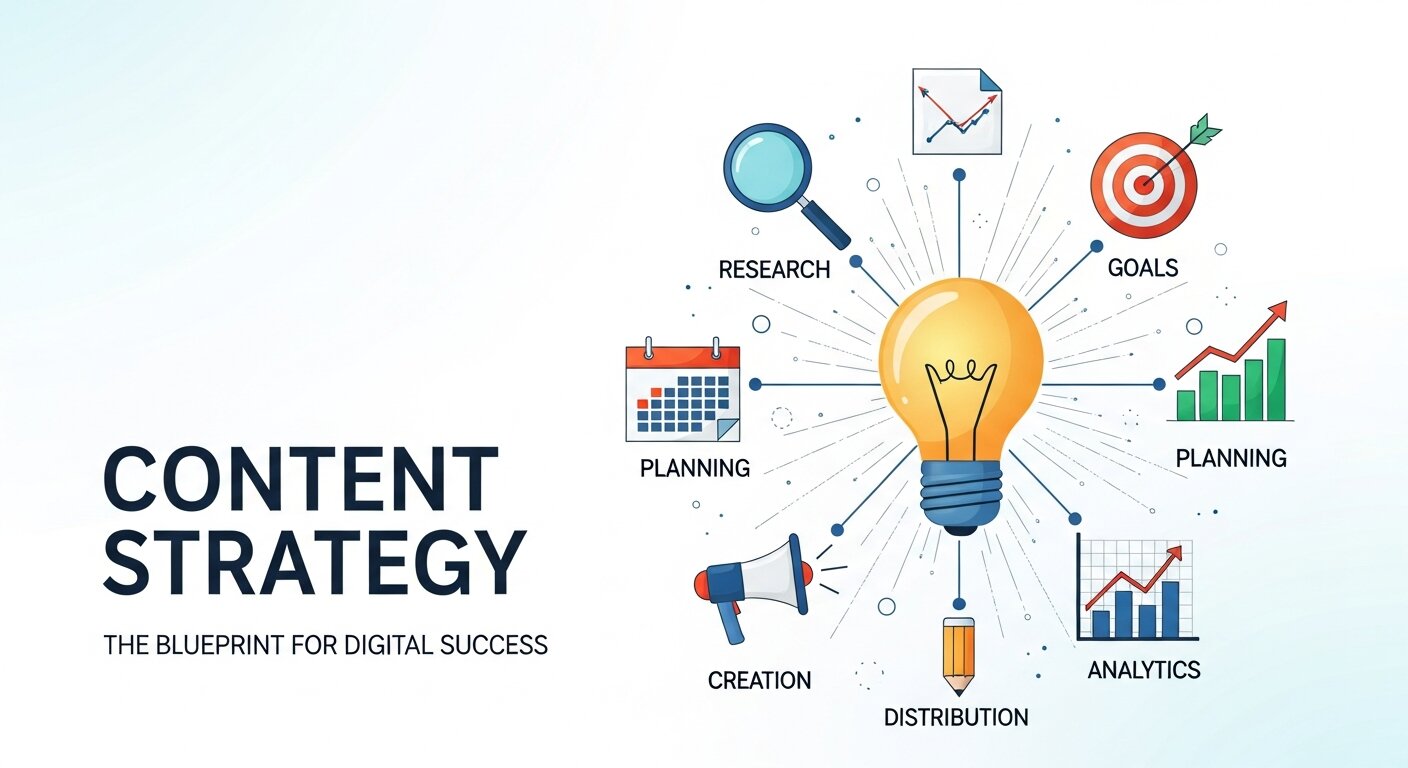 Content is the fuel that powers your social media engine. Without a steady stream of high-quality posts, your audience will quickly lose interest. A strong strategy dictates what you post, when you post it, and how it aligns with your broader brand messaging.
Knowing Your Audience
You must deeply understand the people you are trying to reach. Create detailed buyer personas that outline their demographics, interests, pain points, and online behaviors. If your target audience consists of busy parents, long-form videos during the morning rush hour will likely fail. Short, relatable tips posted late in the evening might perform exceptionally well.
Spend time reading the comments on your competitors’ posts. Look at the questions people ask in Facebook groups related to your industry. This research provides a goldmine of content ideas directly from the minds of your potential customers.
Creating Engaging Visuals
Platforms like Instagram, TikTok, and Pinterest are entirely visual. Even text-heavy platforms like LinkedIn and X see higher engagement rates when posts include images or videos. You do not need a Hollywood budget to create good visuals, but you do need a good eye for design.
Invest time in learning basic photography and video editing skills. Ensure your lighting is bright and your audio is clear. Develop a consistent visual style using specific brand colors and fonts. When someone scrolls through their feed, they should recognize your post before they even read your username.
Writing Copy That Converts
A great image grabs attention, but a great caption drives action. Your copy needs to speak directly to the reader. Use a conversational tone that reflects your brand’s personality.
Always include a clear call-to-action (CTA) in your posts. Tell your audience exactly what you want them to do next. You might ask them to click the link in your bio, share their thoughts in the comments, or save the post for later. Direct instructions significantly increase user interaction.
Consistency is Your Best Friend
Algorithms favor accounts that post regularly. Consistency signals to the platform that you are an active, valuable contributor to the network. It also builds trust with your audience. If they know you post a helpful tip every Tuesday, they will start looking forward to it.
Create a content calendar to plan your posts weeks in advance. This prevents the daily stress of figuring out what to share at the last minute. You can use a simple spreadsheet or dedicated software to map out your content themes, specific copy, and chosen assets.
Batching your work is highly effective here. Dedicate one day a month to filming all your videos, and another day to writing all your captions. This workflow keeps you organized and ensures your social media management efforts remain sustainable over the long term.
Leveraging Analytics for Better Results
 Numbers tell a story. If you ignore your analytics, you are flying blind. Every major platform provides native tools that show you exactly how your content is performing. You need to review these metrics regularly to refine your strategy.
Look at your reach, engagement rate, and click-through rate. Identify your top-performing posts and ask yourself why they worked. Did they feature a specific format? Was the caption particularly funny? Once you spot the patterns, you can replicate that success in future posts.
Conversely, pay attention to the content that flops. Treat failures as data points rather than defeats. If your audience ignores your promotional graphics but loves your behind-the-scenes videos, adjust your content mix accordingly.
Engaging with Your Community
Social media is a two-way street. Broadcasting your message without interacting with others is a quick way to lose followers. Excellent social media management requires active community engagement.
Reply to comments on your posts promptly. Thank people for sharing your content. Reach out to other accounts in your niche and leave thoughtful remarks on their pages. This proactive engagement makes your brand feel human and approachable.
User-generated content is a powerful tool for community building. Encourage your customers to share photos of themselves using your product. When you repost their content (with permission), it validates their support and provides you with authentic marketing material.
How SanMo US Elevates Your Brand
Handling all these moving parts requires significant time and expertise. This is where partnering with a professional team makes a massive difference. SanMo US specializes in comprehensive social media management that aligns directly with your business goals.
The team at SanMo US takes the guesswork out of digital marketing. From crafting compelling content calendars to analyzing complex performance metrics, they handle the heavy lifting. This allows you to focus on running your actual business while knowing your online presence is growing steadily. By leveraging industry-leading strategies, SanMo US ensures your brand voice is heard loudly and clearly across all chosen platforms.
The Importance of Brand Voice and Identity
Your brand voice is how your business speaks to the world. It reflects your values, personality, and tone across all social media platforms. A consistent voice helps your audience recognize and connect with your content instantly. Whether your tone is professional, friendly, humorous, or inspirational, it should remain uniform in every caption, reply, and post. This builds trust and familiarity over time. Without a clear identity, your content may feel scattered and forgettable. Define your brand’s core message and align it with your audience’s expectations. When your voice is authentic and consistent, it strengthens your overall social media presence and makes your brand more memorable.
The Role of Trends and Hashtags in Growth
Trends and hashtags play a major role in expanding your reach on social media. By tapping into trending topics, challenges, or viral formats, you can position your content in front of a wider audience. However, blindly following trends is not effective. You need to ensure that every trend you participate in aligns with your brand values and message. Hashtags help categorize your content and make it discoverable by users searching for similar topics. Use a mix of popular, niche, and branded hashtags to maximize visibility. Research regularly to find relevant tags in your industry. When used strategically, trends and hashtags can significantly boost engagement and attract new followers.
Influencer Collaboration and Partnerships
 Collaborating with influencers is a powerful way to build credibility and reach new audiences. Influencers already have established trust with their followers, which makes their recommendations highly impactful. When choosing an influencer, focus on relevance rather than just follower count. A smaller influencer with an engaged audience can often deliver better results than a large but inactive following. Work with creators whose values align with your brand to maintain authenticity. Clearly define your goals for the collaboration, whether it is brand awareness, product promotion, or lead generation. Strong partnerships can lead to long-term growth and help position your brand as trustworthy and relatable in your niche.
Managing Social Media During Crisis Situations
Every brand eventually faces challenges online, whether it is negative feedback, misinformation, or a public relations issue. How you respond during these moments defines your reputation. Staying calm and professional is essential. Avoid reacting emotionally or ignoring the issue. Instead, acknowledge concerns quickly and provide clear, transparent communication. Have a crisis management plan in place before problems arise. This includes assigning responsibilities, drafting response templates, and outlining escalation procedures. Monitoring your social channels closely during such times is crucial. A well-handled crisis can actually strengthen trust with your audience, showing that your brand is responsible, responsive, and committed to customer satisfaction.
The Future of Social Media Management
Social media is constantly evolving, and staying ahead of trends is essential for long-term success. Emerging technologies like artificial intelligence, augmented reality, and advanced analytics are changing how brands interact with their audiences. Short-form video content continues to dominate, while personalized experiences are becoming more important than ever. Platforms are also prioritizing authentic engagement over purely promotional content. To stay competitive, brands must be adaptable and willing to experiment with new formats and tools. Continuous learning is key in this fast-paced environment. By embracing innovation and monitoring industry changes, you can future-proof your social media strategy and maintain a strong digital presence.
Frequently Asked Questions (FAQ)
How often should a business post on social media?
The ideal posting frequency depends on the platform and your available resources. Generally, posting once a day on Instagram and Facebook is effective, while X and TikTok often require multiple posts per day for maximum reach. Quality should always take precedence over quantity.
Do I need to be on every social media platform?
No, you do not need a presence on every platform. It is much better to excel on one or two networks where your target audience actually spends their time. Research your demographics and focus your efforts there.
How do I handle negative comments?
Address negative comments professionally and promptly. Acknowledge the user’s frustration, apologize for their poor experience, and offer to resolve the issue privately via direct message or email. Never delete negative comments unless they contain hate speech or violate community guidelines.
What is the best time to post?
The best time to post varies based on your specific audience and time zone. Check your platform analytics to see when your followers are most active. Experiment with different posting times and track the engagement to find your optimal window.
Start Your Social Media Journey Today
Transforming your digital presence requires patience, strategy, and consistent effort. By understanding your audience, creating valuable content, and analyzing your performance, you can build a highly engaged community. Remember to set clear goals and interact authentically with your followers.
Take a hard look at your current online strategy. Identify one area for improvement and implement a change this week. If the task feels overwhelming, remember that expert help is available. Reach out to SanMo US to discover how professional social media management can accelerate your brand’s growth and turn your digital goals into reality.