Running a small business often feels like a juggling act. You are the CEO, the accountant, the customer service representative, and frequently, the janitor. Somewhere in that chaotic mix of responsibilities lies marketing. You know you need to be online. You know your customers are scrolling through Instagram, LinkedIn, and Facebook. Yet, maintaining a consistent, engaging presence often falls to the bottom of the to-do list.
This is the common plight of the modern entrepreneur. You post sporadically when inspiration strikes, or perhaps you ghost your audience for weeks when business gets busy. But treating your online presence as an afterthought is a missed opportunity. Effective social media management is the engine that drives brand awareness, builds customer loyalty, and ultimately, generates revenue.
Mastering this beast doesn’t require you to be a Gen Z trendsetter or a professional graphic designer. It requires a system. It requires a shift from “posting” to “managing.” Whether you are a local bakery, a boutique law firm, or an e-commerce startup, the principles of successful digital engagement remain the same.
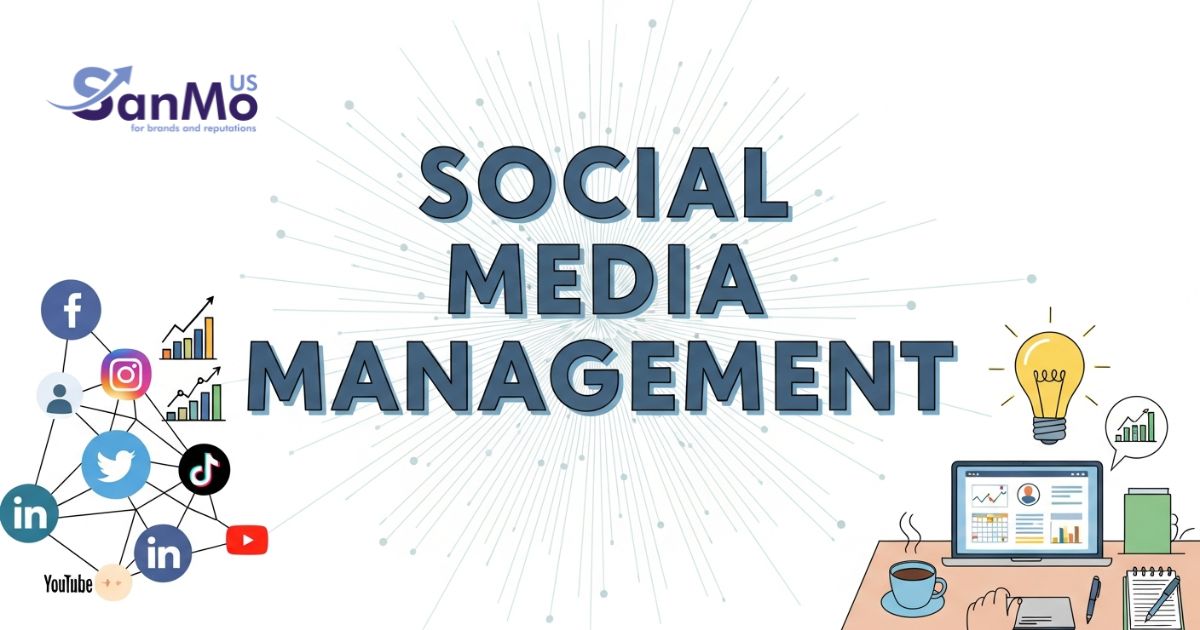
What is Social Media Management?

Before we discuss strategy, we need to clarify what we are actually talking about. Many business owners conflate “social media marketing” with “social media management.” While they overlap, they are distinct disciplines.
Marketing is often campaign-based. It involves running ads, launching products, and driving immediate sales. Management, on the other hand, is the long game. It is the day-to-day process of creating, scheduling, analyzing, and engaging with content posted on social media platforms.
Effective management involves a continuous loop of five key actions:
- Strategy: Determining where to be and what to say.
- Creation: Producing the images, videos, and copy.
- Publishing: Getting the content onto the platforms at the right time.
- Listening: Monitoring what customers and competitors are saying.
- Analytics: Reviewing the data to see what worked.
If you skip any part of this loop, the system breaks down. Posting without listening is just shouting into the void. creating without strategy is wasted effort.
Step 1: Auditing Your Current Presence
You cannot map a route to success if you don’t know where you are starting. The first step to mastery is a comprehensive audit.
Start by listing every social account your business currently owns. You might be surprised to find an old Twitter account from 2017 or a Facebook page with no profile picture.
Ask yourself these questions for each platform:
- Is the branding consistent? (Logo, bio, color scheme).
- When was the last time we posted?
- Are we getting any engagement here?
- Is our target audience actually using this platform?
If you find platforms that are dead zones, give yourself permission to delete or hibernate them. It is far better to be excellent on one platform than mediocre on five.
Step 2: Choosing the Right Platforms
One of the biggest mistakes small businesses make is trying to be everywhere at once. You do not need to dance on TikTok, debate on X (formerly Twitter), and network on LinkedIn all in the same day.
Platform selection should be dictated by your audience demographics and your business type.
If you are B2B (Business to Business), this is your home. It is essential for networking, establishing thought leadership, and recruiting. The content here should be professional, educational, and industry-focused.
Instagram and Pinterest
These are visual-first platforms. If you sell physical products (clothing, food, decor) or run a lifestyle service (travel, fitness), these are non-negotiable. High-quality imagery is the currency of success here.
Despite rumors of its decline, Facebook remains the directory of the internet. It is crucial for local businesses (brick and mortar) because of its integration with Google Maps and local search. It’s also where an older demographic with disposable income spends their time.
TikTok
This is the home of raw, authentic, short-form video. It requires a higher volume of content and a willingness to show the “human” side of the business. It works well for brands targeting younger demographics or those with highly demonstrable products.
Step 3: Developing Content Pillars
Staring at a blank screen is a nightmare. This phenomenon, known as “content block,” usually happens because you lack a strategy. The solution is Content Pillars.
Content pillars are 3-5 broad themes that your brand consistently discusses. Whenever you need to create a post, you simply choose a pillar and brainstorm a topic within it.
For example, a local gym might have these pillars:
- Education: Tips on form, nutrition advice, workout myths.
- Community: Member spotlights, staff bios, local event participation.
- Promotion: Class schedules, membership discounts, merchandise.
- Inspiration: Motivational quotes, transformation stories.
By rotating through these pillars, you ensure your feed is balanced. You aren’t just selling all the time (which drives people away), nor are you just posting fluff. You are providing value, building community, and asking for the sale in a structured way.
Step 4: The Art of Scheduling and Automation

Consistency is the secret sauce of social media algorithms. Platforms reward accounts that post regularly because it keeps users on the app. However, consistency is difficult to maintain manually.
This is where scheduling tools become your best friend. Tools like Buffer, Hootsuite, or Later allow you to sit down once a week (or month), upload all your content, write your captions, and schedule them to go out automatically.
The “Batching” Method:
Don’t try to create a post every single day. Instead, block out three hours on a Tuesday afternoon. Write captions for the next two weeks. Create the graphics. Schedule them.
By batching your work, you reclaim your mental energy. You aren’t constantly switching tasks throughout the week. You can rest easy knowing your social media management is running on autopilot, leaving you free to focus on operations or sales.
Step 5: Engagement and Community Management

While scheduling is great, you cannot automate relationships. This is the “social” part of social media.
If a customer walked into your physical store and said “Hello,” you wouldn’t ignore them. Yet, businesses ignore comments and DMs every day.
Set aside 15 minutes a day for engagement.
- Reply to every comment on your posts.
- Answer direct messages promptly.
- Search for hashtags related to your industry and comment on other people’s posts.
This activity signals to the algorithm that you are an active participant, not just a broadcaster. Furthermore, it builds trust. A potential customer reading your comments sees that you are responsive and helpful, which removes a barrier to purchase.
Step 6: Analyzing What Works
How do you know if your efforts are paying off? You have to look at the numbers.
Most platforms have built-in insights. Once a month, review your analytics. Don’t just look at “vanity metrics” like follower count. While it feels good to see that number go up, it doesn’t pay the bills.
Focus on:
- Engagement Rate: Are people liking, commenting, and sharing? This proves your content resonates.
- Reach: How many unique eyes saw your content?
- Click-Through Rate (CTR): Are people clicking the link in your bio or on your posts? This is the bridge between social media and your website.
If you notice that educational videos get 5x more engagement than product photos, listen to the data. Pivot your strategy to produce more video content. Social media management is an iterative process. You try, you measure, you learn, you adjust.
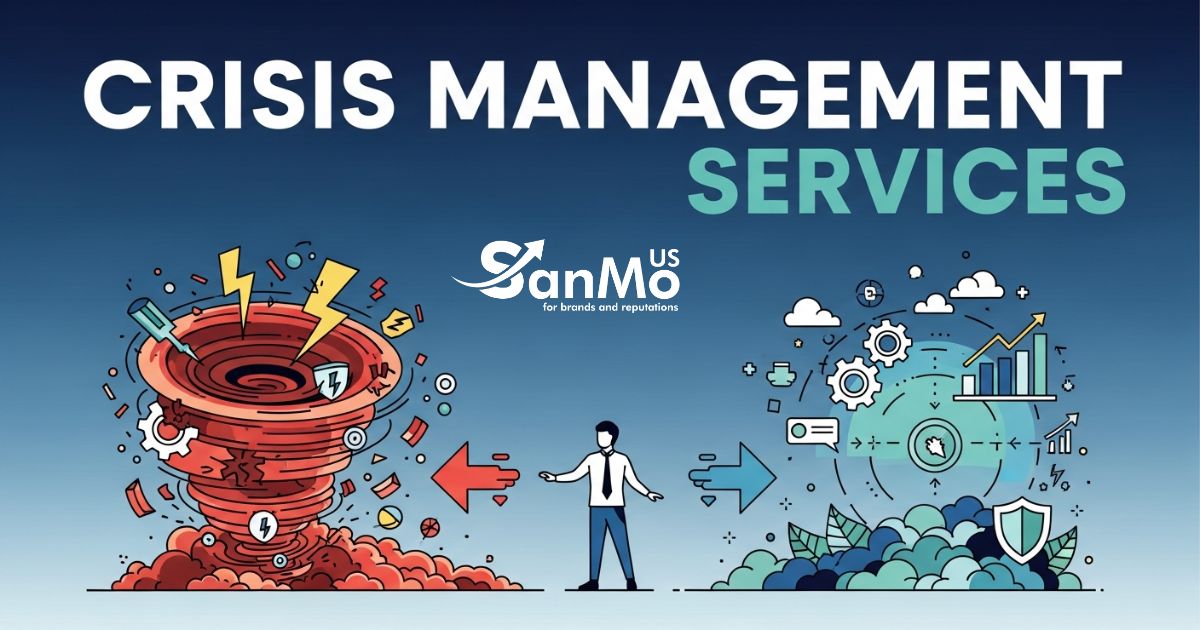
The Role of Crisis Management

Even small businesses face PR hiccups. A bad review, a misinterpreted post, or a service outage can lead to a flurry of negative activity online.
Part of mastering social media management is having a plan for when things go wrong.
- Don’t Argue: Never get into a public shouting match with a customer. It looks unprofessional to everyone watching.
- Take it Offline: Acknowledge the complaint publicly and ask them to DM you or email you to resolve it.
- Be Transparent: If you made a mistake, own it. Audiences appreciate authenticity and accountability.
When to DIY and When to Outsource
For many small businesses, there comes a tipping point. You understand the value of social media, you have a strategy, but you simply do not have the time to execute it at a high level.
If you find yourself spending more time worrying about Instagram captions than you do on product development or client acquisition, it might be time to bring in help.
This is where a dedicated partner becomes invaluable. Services like SanMo US specialize in taking this burden off your shoulders. We don’t just “post” for you; we become the voice of your brand online.
Outsourcing allows you to leverage expert knowledge. Professional social media managers stay up to date on the constantly changing algorithms, the newest trending audio, and the latest best practices for hashtags. They bring a level of polish and consistency that is difficult to achieve when you are balancing it with payroll and inventory.
However, outsourcing doesn’t mean checking out. The best partnerships are collaborative. You provide the subject matter expertise and the business goals; the management team translates that into digital content that converts.
Taking the Next Step
Mastering social media management is not about going viral overnight. It is about showing up consistently, providing value, and building a community around your brand. It is a long-term investment in the reputation and reach of your small business.
Start small. Audit your accounts, choose your pillars, and commit to a schedule you can actually keep. As you build momentum, the data will guide you toward what works best for your unique audience.
If the process still feels overwhelming, or if you are ready to scale your presence beyond what you can handle alone, remember that you don’t have to do it by yourself. SanMo US is here to help you navigate the digital landscape, ensuring your business gets the attention it deserves while you focus on what you do best—running your business.
Frequently Asked Questions (FAQ)
1. How often should a small business post on social media?
Consistency is more important than posting every day. Most small businesses see good results by posting three to five times per week on one or two platforms. A realistic and repeatable schedule will always outperform posting frequently for a short time and then disappearing.
2. Which social media platform is best for my business?
The best platform depends on where your audience spends their time. B2B businesses tend to perform best on LinkedIn, product-based and lifestyle brands do well on Instagram and Pinterest, local businesses benefit from Facebook, and brands targeting younger audiences often succeed on TikTok.
3. Do I need paid ads for social media management to work?
Paid ads are not required for effective social media management. Organic content can build trust, brand awareness, and engagement over time. Advertising can speed up results, but a strong organic foundation is essential before investing in paid campaigns.
4. How long does it take to see results from social media management?
Social media is a long-term strategy. Many businesses begin noticing improvements in engagement and reach within the first one to three months. Stronger brand recognition and lead generation typically develop after three to six months of consistent effort.
5. What kind of content should I post if I’m not a creative person?
You do not need to be highly creative to succeed on social media. Educational content, behind-the-scenes updates, customer stories, frequently asked questions, and simple business updates often perform very well. Authentic and helpful content is more effective than overly polished posts.
6. Can I manage social media myself, or should I outsource it?
Many small business owners manage social media themselves in the early stages. However, if social media begins taking time away from sales, operations, or growth, outsourcing becomes a smart option. Professional management ensures consistency, strategy, and up-to-date practices.
7. How do I measure if my social media efforts are successful?
Success should be measured by engagement, reach, website traffic, direct messages, and conversions rather than follower count alone. These metrics show whether your content is connecting with the right audience and supporting your business goals.
8. What should I do if my business receives negative comments or reviews?
Negative feedback should be handled calmly and professionally. Acknowledge the concern publicly, avoid arguments, and move the conversation to private messages. When handled correctly, responding to criticism can build trust and credibility.
9. Is social media management really necessary for small businesses?
Yes. Many customers check a business’s social media before making a decision. An active, well-managed presence builds trust and legitimacy, while inactive or inconsistent accounts can discourage potential customers.
10. How can SanMo US help with social media management?
SanMo US provides complete social media management, including strategy, content creation, scheduling, engagement, and performance analysis. We act as an extension of your brand, allowing you to focus on running your business while we manage your online presence.