Search engine algorithms change constantly, leaving many digital marketers scrambling to catch up. Sticking to basic keyword insertion is no longer enough to secure top rankings or engage readers. You need a systematic approach that looks past the surface level of SEO.
This post reveals how to blend data analytics, artificial intelligence, and search intent into a cohesive strategy. We will explore the mechanics of advanced content optimization, showing you exactly how to align your digital assets with what users genuinely want to find. By shifting your focus from traditional keyword stuffing to intent-driven creation, you can secure sustainable organic traffic.
Whether you run a health and fitness platform or manage corporate communications at SanMo US, these tactics apply universally. Read on to discover actionable frameworks that will transform your editorial calendar and boost your search visibility.
The Pillars of Advanced Content Optimization
Creating high-performing web pages requires more than good writing. It demands a scientific approach to understanding your audience. Advanced content optimization brings together multiple disciplines to ensure your pages satisfy both search engines and human readers.
Harnessing the Power of Data Analytics
Data serves as the foundation for any successful digital campaign. Before typing a single word, you must analyze existing metrics to understand what works and what fails. Tools like Google Search Console and advanced SEO software reveal the exact queries bringing users to your site.
Look at your click-through rates, bounce rates, and average time on page. If a page ranks highly but suffers from a massive bounce rate, the content likely fails to answer the user’s core question. Data allows you to pinpoint these disconnects. You can identify pages that suffer from high impressions but low clicks, signaling a need for better meta titles and descriptions.
Integrating Artificial Intelligence
Artificial intelligence has completely reshaped how we approach advanced content optimization. AI tools process vast amounts of data in seconds, identifying topic gaps that manual research might miss. They analyze top-ranking competitors to determine ideal word counts, necessary subtopics, and relevant secondary keywords.
However, relying entirely on AI to generate text often leads to generic, robotic output. The true power of AI lies in its analytical capabilities and outlining strength. Use it to cluster keywords, generate content briefs, and analyze the sentiment of user queries. When writing for SanMo US, we use AI to guide our structural decisions, ensuring the human writers hit all the necessary thematic points.
Decoding Search Intent for Lasting Success
 Search intent represents the primary goal a user has when typing a query into a search engine. Google’s algorithms have become incredibly adept at recognizing this intent and serving pages that match it perfectly.
The Four Types of Search Intent
To optimize effectively, you must categorize your target keywords into four main buckets:
- Informational: The user wants to learn something. Queries often start with “how to,” “what is,” or “why.”
- Navigational: The user is looking for a specific website or page.
- Transactional: The user wants to buy something. Queries include “buy,” “discount,” or specific product names.
- Commercial Investigation: The user is researching before making a purchase. Queries feature words like “best,” “review,” or “vs.”
If you target an informational keyword with a transactional landing page, you will not rank. The algorithm knows the user wants an explanation, not a sales pitch. Advanced content optimization requires you to align the format of your page—be it a blog post, a product page, or a comparison chart—with the underlying intent of the query.
Analyzing the SERPs
The best way to determine search intent is to look at the current Search Engine Results Pages (SERPs). Type your target keyword into Google and examine the top five results. Are they long-form guides, listicles, video tutorials, or e-commerce category pages?
If the top results are all step-by-step guides, your content must also be a step-by-step guide, but better. You must provide more comprehensive data, clearer examples, and a superior user experience.
Structuring Content for Maximum Readability
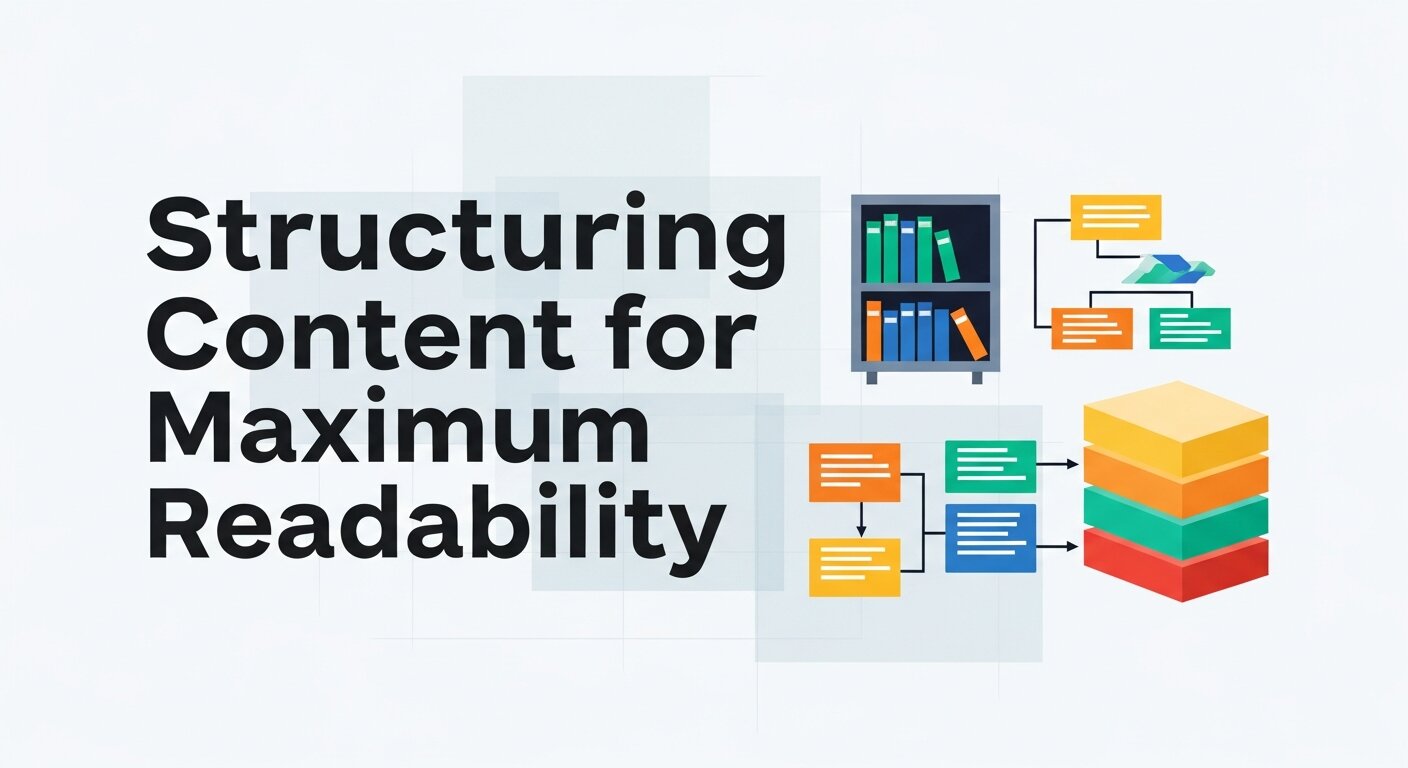 Even the most informative text will fail if it looks like a dense wall of words. Online readers skim. They hunt for specific answers and will leave your site if they cannot find them within a few seconds.
Strategic Use of Headings
Headings break your text into digestible chunks. They guide the reader’s eye and provide search engines with a clear hierarchy of your page’s topics. Always use a single H1 for the main title, H2s for major sections, and H3s for supporting points. Include variations of your target keywords naturally within these headings to signal relevance to search crawlers.
Short Paragraphs and Bulleted Lists
Keep your paragraphs concise. Three to four sentences per paragraph is a solid guideline. This white space gives the reader’s eyes a rest and makes the text feel less overwhelming.
Whenever you have a list of items, features, or steps, use bullet points. They draw attention and make information much easier to scan.
How SanMo US Approaches Content Strategy
At SanMo US, we understand that advanced content optimization requires a long-term commitment to quality. We do not chase short-lived trends. Instead, we focus on building comprehensive topical authority.
Building Topical Maps
Rather than publishing isolated articles on random subjects, we create topical maps. A topical map is a visual representation of all the subtopics related to a core subject. We create a central “pillar” page that covers the broad topic and link it to dozens of “cluster” pages that dive deeply into specific sub-questions.
This structure tells search engines that we are a comprehensive resource on the subject. It also keeps users on our site longer, as they naturally click through to related articles to learn more.
Continuous Content Updating
Content decays over time. Statistics become outdated, links break, and competitors publish newer, better guides. Advanced content optimization means treating your published pages as living documents. We regularly audit our top-performing pages at SanMo US, refreshing the data, expanding the insights, and improving the formatting to maintain our search rankings.
Practical Steps to Launch Your Strategy
Ready to implement these concepts? Follow this streamlined process to upgrade your content creation pipeline.
Step 1: Conduct a Content Audit
Export a list of all your existing web pages. Analyze their traffic, rankings, and conversion rates. Identify pages that are underperforming. Determine if the issue is a lack of depth, poor formatting, or a mismatch in search intent.
Step 2: Leverage AI for Gap Analysis
Run your target keywords through an AI-powered SEO tool. Compare your content against the top-ranking competitors. The tool will highlight the exact terms, questions, and subtopics your page is missing.
Step 3: Rewrite for Intent and Readability
Update the underperforming pages. Ensure the format matches the search intent. Break up long paragraphs, add descriptive H2 and H3 headings, and include bulleted lists where appropriate.
Step 4: Monitor and Refine
Publish your updates and wait a few weeks. Monitor the changes in your rankings and user engagement metrics. Use this new data to inform your next round of optimizations.
Content Personalization for Better Engagement
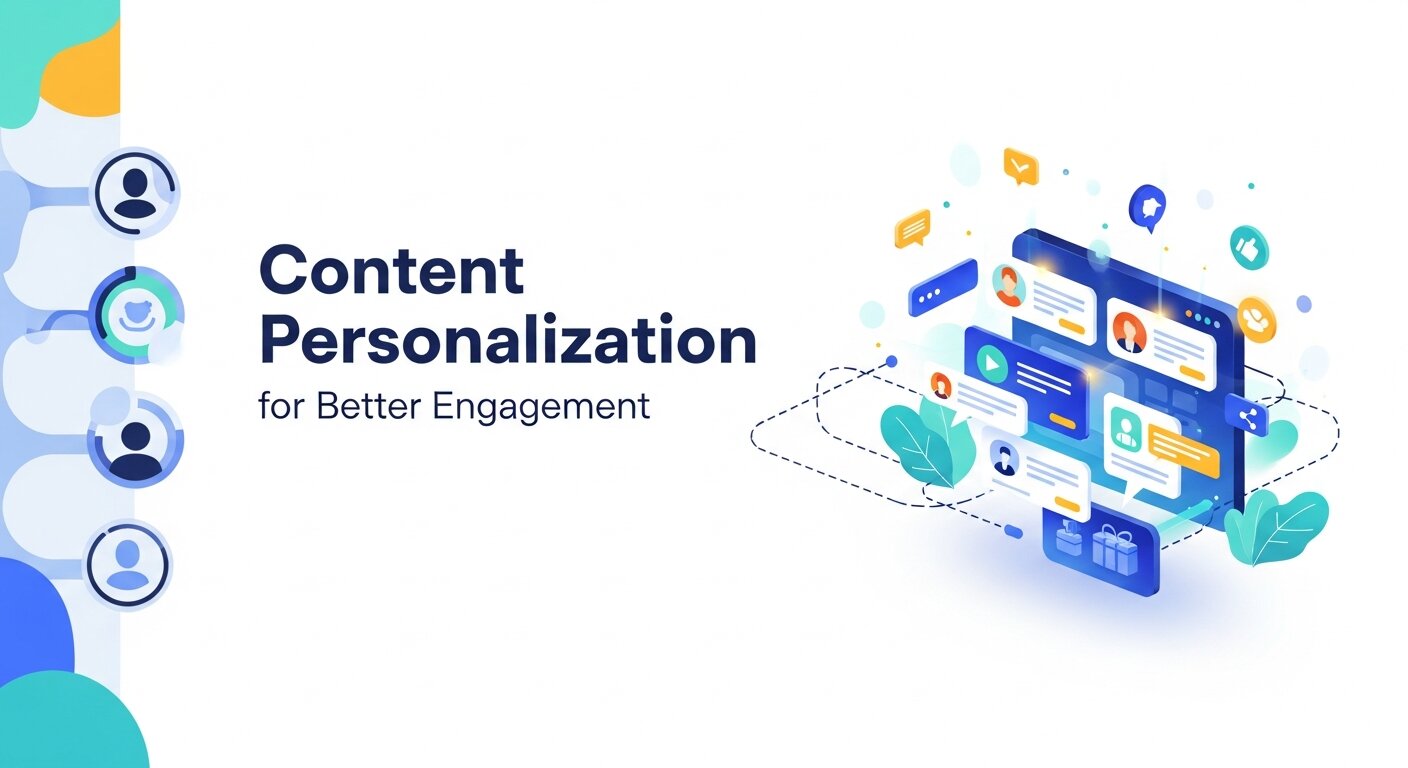 Modern users expect content that feels tailored to their needs. Content personalization involves adapting your messaging based on user behavior, demographics, and preferences. By leveraging tools like user segmentation and behavioral tracking, you can deliver more relevant content experiences. For example, returning visitors may prefer deeper insights, while new users might need introductory guides. Personalization also improves engagement metrics such as time on page and conversion rates. Advanced content optimization integrates personalization by aligning different content variations with audience segments. This approach not only satisfies readers but also signals relevance to search engines. Over time, personalized content helps build stronger user relationships and increases brand loyalty, making your site a trusted resource in your niche.
Voice Search Optimization Strategies
With the rise of voice assistants, optimizing for voice search has become essential. Voice queries are typically longer and more conversational than typed searches. This shift requires content creators to focus on natural language and question-based keywords. Structuring your content with clear answers to common questions increases your chances of appearing in featured snippets. Voice search optimization also emphasizes local SEO and mobile-friendly design. By anticipating how users verbally ask questions, you can create content that directly addresses their needs. Advanced content optimization includes analyzing voice query trends and adapting your content accordingly. This ensures your pages remain relevant as search behavior continues to evolve toward more conversational and intuitive interactions.
Optimizing for Featured Snippets
Featured snippets occupy prime real estate on search engine results pages. Securing this position can dramatically increase your visibility and click-through rates. To optimize for snippets, focus on answering specific questions clearly and concisely. Use structured formatting such as numbered lists, bullet points, and short paragraphs. Including a direct answer immediately after a heading improves your chances of selection. Advanced content optimization involves analyzing snippet-winning pages and identifying patterns in their structure. Additionally, using schema markup can enhance your content’s eligibility for rich results. By consistently targeting snippet opportunities, you can position your content above traditional rankings and establish authority in your field, driving more organic traffic without necessarily increasing your ranking position.
The Role of E-E-A-T in Content Quality
Experience, Expertise, Authoritativeness, and Trustworthiness (E-E-A-T) play a crucial role in how search engines evaluate content. High-quality content must demonstrate real-world experience and credible knowledge. This can be achieved through author bios, citing reliable sources, and showcasing case studies or firsthand insights. Advanced content optimization ensures that every piece of content reflects these principles. Websites that consistently deliver trustworthy information are more likely to rank higher and retain users. Additionally, E-E-A-T is particularly important in sensitive niches like health, finance, and legal topics. By focusing on credibility and transparency, you build user confidence and strengthen your site’s reputation, making it more resilient to algorithm updates.
Internal Linking for Topical Authority
Internal linking is a powerful yet often overlooked SEO strategy. By strategically linking related pages, you create a clear content hierarchy that search engines can easily understand. This helps distribute link equity across your site and improves crawlability. Advanced content optimization uses internal linking to reinforce topical authority. When multiple pages cover different aspects of a subject and link to each other, it signals depth and expertise. Additionally, internal links guide users to relevant content, increasing session duration and reducing bounce rates. A well-planned internal linking structure transforms isolated articles into a cohesive knowledge hub, making your website more valuable to both users and search engines.
Measuring Content ROI Effectively
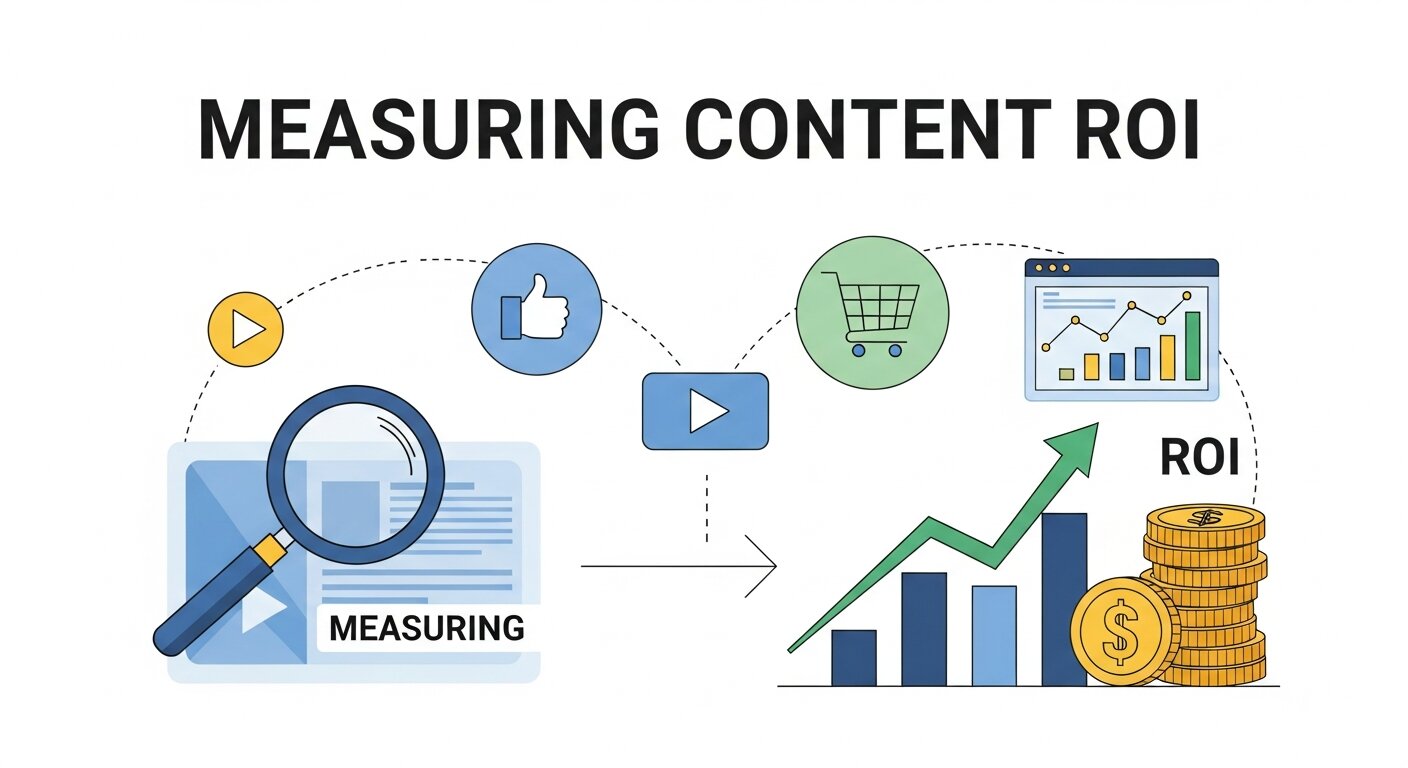 Tracking the return on investment (ROI) of your content is essential for long-term success. It is not enough to generate traffic; you must understand how that traffic contributes to your business goals. Key metrics include conversions, lead generation, and revenue attribution. Advanced content optimization involves setting clear KPIs and using analytics tools to measure performance accurately. By analyzing which content pieces drive the most value, you can allocate resources more effectively. This data-driven approach allows you to refine your strategy and focus on high-impact topics. Over time, measuring content ROI ensures that your efforts translate into tangible business growth and sustainable digital success.
Frequently Asked Questions
What is the difference between basic SEO and advanced content optimization?
Basic SEO usually involves placing keywords in titles, headers, and meta descriptions. Advanced content optimization goes much deeper. It uses data analytics to uncover audience behavior, AI to analyze competitor topic gaps, and a strict alignment with user search intent to ensure the content perfectly answers the query.
Can AI completely replace human content writers?
No. While AI is incredibly powerful for research, outlining, and analyzing data sets, it lacks the nuance, empathy, and unique voice that human writers provide. AI should be used as an assistant to speed up the workflow, not as a replacement for human creativity and subject matter expertise.
How often should I update my old blog posts?
You should conduct a content audit at least twice a year. High-priority pages that generate significant traffic or revenue should be reviewed quarterly. If you notice a page slipping in rankings, that is a clear signal it needs a refresh with updated information and better intent alignment.
Why is search intent so critical for ranking?
Search engines want to provide the best possible user experience. If a user searches for a tutorial but clicks on a product page, they will immediately leave and try another result. Algorithms track this behavior. If your page does not satisfy the underlying intent, search engines will demote it, regardless of how many keywords you include.
Take Control of Your Digital Growth
Mastering advanced content optimization is an ongoing process of analysis, refinement, and adaptation. By utilizing data to guide your decisions, AI to uncover hidden opportunities, and a strict focus on search intent, you can create pages that consistently outrank the competition.
Stop guessing what your audience wants. Start using the tools and strategies available to build a robust, authoritative digital presence. Review your current editorial strategy, identify the gaps in your topical clusters, and begin optimizing your most valuable pages today.