Your digital reputation often begins with a single search. For millions of organizations, executives, and public figures, the top result is usually a Wikipedia article. Having a presence on this massive online encyclopedia provides immediate credibility and a highly visible platform to share factual information with the public.
Getting an article published is only the first step. The real challenge begins the moment that page goes live. Because anyone can edit the platform, your carefully crafted article is vulnerable to inaccurate updates, vandalism, and the slow decay of outdated information. Without a clear strategy to monitor and maintain the content, an asset meant to build trust can quickly become a liability.
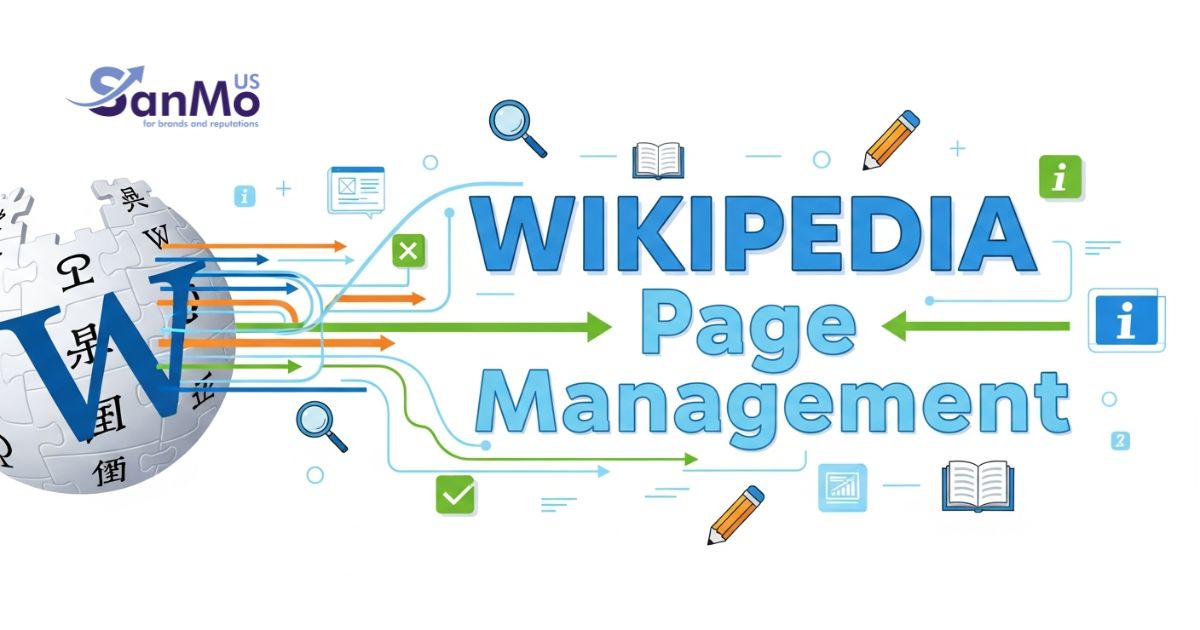
This ongoing maintenance is known as Wikipedia Page Management. It requires a deep understanding of complex editorial guidelines, a commitment to neutrality, and the ability to navigate a community of passionate volunteer editors. Attempting to handle this internally often leads to frustration, deleted pages, or public warnings stamped at the top of your article.
Organizations need a proactive, compliant approach to protect their digital presence. Working with experts like SanMo US ensures that your article remains accurate, well-sourced, and fully aligned with platform rules. Let us look at the strategies necessary to maintain a healthy, factual, and compliant Wikipedia presence for the long haul.
Understanding the Wikipedia Ecosystem
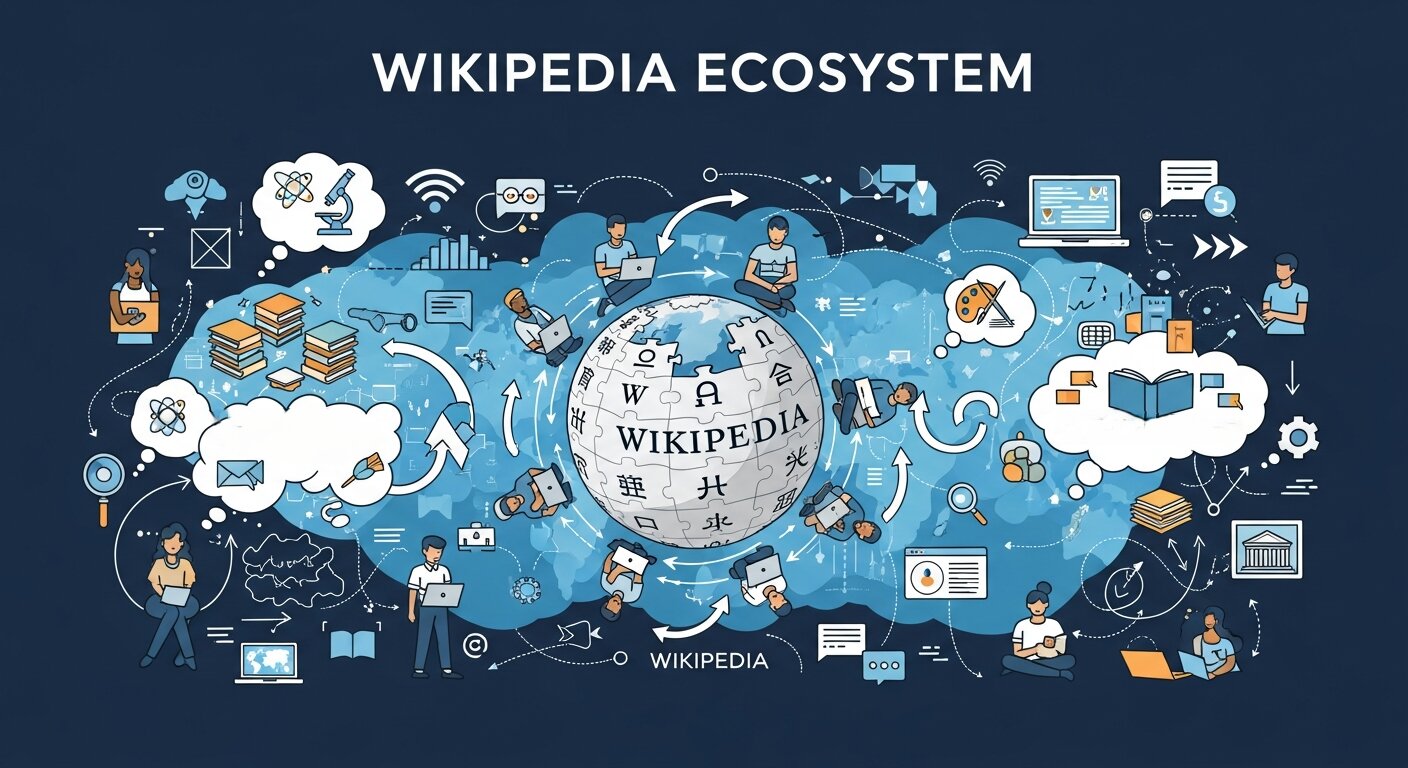 To succeed with Wikipedia Page Management, you first need to understand how the platform operates. It is not a traditional publishing platform or a social media profile that you own. It is a community-driven project governed by strict rules and maintained by thousands of volunteers.
Core Content Policies
Every successful article adheres to three primary pillars of content. The first is a Neutral Point of View (NPOV). Articles must represent information fairly, proportionately, and without editorial bias. Promotional language, marketing buzzwords, and subjective claims are strictly prohibited.
The second pillar is Verifiability. Every claim made in an article must be supported by a reliable, independent, published source. You cannot publish information simply because you know it to be true. It must be proven through reputable news outlets, academic journals, or industry publications.
The third pillar is No Original Research. Wikipedia is a secondary or tertiary source. It synthesizes existing knowledge rather than publishing new findings. All information must have been previously published elsewhere. Effective Wikipedia Page Management relies on strict adherence to these three rules at all times.
The Role of Editors and Administrators
The platform is monitored by a hierarchy of users. Standard editors review recent changes, fix typos, and flag content that violates policies. Administrators have advanced permissions. They can lock pages to prevent vandalism, delete articles that do not meet notability requirements, and block users who violate community guidelines.
Navigating this community requires transparency and respect. Editors are highly skeptical of corporate representatives attempting to manipulate information. Building a long-term strategy means learning to work alongside these volunteers rather than treating them as obstacles.
The Challenges of Maintaining Your Page
Once your page is live, it becomes a living document. This dynamic nature creates several distinct challenges for brands and individuals trying to protect their reputation.
Vandalism and Unauthorized Edits
Because the encyclopedia is open to the public, anyone with an internet connection can alter the page. Malicious users or competitors might insert false information, delete entire sections, or add inappropriate content. While automated bots catch obvious vandalism, subtle negative changes can remain on a page for months if nobody is actively watching.
The Danger of Outdated Information
Companies evolve. Leadership changes, new product launches, and financial milestones are achieved. If your article does not reflect these changes, you present an inaccurate picture to the public. However, updating this information is not as simple as logging in and typing out the news. Every update requires a high-quality citation. Failing to provide one will result in your edits being reverted.
Navigating Conflict of Interest Guidelines
The most significant hurdle for internal teams is the Conflict of Interest (COI) policy. The platform heavily discourages individuals from directly editing articles about themselves, their employers, or their clients. Direct editing by someone with a vested interest often leads to promotional language.
When a conflict of interest is discovered, editors may place a highly visible warning banner at the top of the page. This banner alerts readers that the article may have been created or edited by someone connected to the subject, instantly damaging your credibility. Professional Wikipedia Page Management involves requesting edits through the proper channels and disclosing affiliations to avoid these penalties.
 Wikipedia is more than just an informational platform; it plays a crucial role in shaping public perception. When your page is properly managed, it becomes a trusted source that journalists, researchers, and potential clients rely on. A well-maintained article strengthens your authority by presenting verified facts in a neutral tone. However, authority is not built overnight. It requires consistent updates, strong citations, and alignment with editorial standards. By focusing on factual storytelling instead of promotion, organizations can position themselves as credible industry leaders. Effective Wikipedia Page Management ensures that your brand is not only visible but also respected across digital ecosystems where trust is a key decision-making factor.
 Negative content on Wikipedia can be challenging, but attempting to remove it without proper justification often backfires. The platform values transparency and neutrality, which means that well-sourced criticism may remain if it is relevant. Instead of reacting emotionally, organizations should focus on context and balance. This involves adding properly cited, factual information that provides a complete picture. Engaging with editors respectfully and using Talk pages to discuss concerns is essential. Trying to overwrite or delete valid content can result in stricter scrutiny or page restrictions. Strategic Wikipedia Page Management focuses on accuracy and fairness, ensuring that any negative information is presented responsibly and does not mislead readers.
Strategies for Effective Wikipedia Page Management
 Protecting your digital footprint requires consistent effort and a structured approach. Implementing the following strategies will help you maintain an accurate and compliant presence.
Implement Continuous Monitoring
You cannot fix a problem you do not know exists. Active monitoring is the cornerstone of any management strategy. This involves setting up alerts to track every single change made to your article.
When a change occurs, you need to evaluate it immediately. Is it a helpful correction from a volunteer? Is it a malicious attack? Is it an outdated fact that needs context? By catching problematic edits early, you can request corrections before the misinformation spreads to other websites that scrape Wikipedia data.
Build a Repository of Reliable Sources
Content is only as strong as the citations supporting it. To ensure your page remains robust, you need a continuous pipeline of independent press coverage.
Create an internal database of every major news article, industry report, and book that mentions your organization. When you need to update a specific fact on your page, you can immediately pull the appropriate citation from your repository. This speeds up the update process and ensures your edit requests are accepted by the community.
Engage Transparently Using Talk Pages
Because direct editing violates COI guidelines, you must use the article’s “Talk” page to request changes. This is a public discussion board attached to every article.
When requesting an update, clearly state your affiliation with the subject. Present the exact text you want to add, explain why the change is necessary, and provide the reliable sources that verify the information. This transparent approach builds trust with volunteer editors and significantly increases the likelihood that your updates will be approved.
How SanMo US Elevates Your Wikipedia Presence
Managing an article requires a significant investment of time, resources, and specialized knowledge. Many organizations simply do not have the internal capacity to monitor their pages daily or navigate the complex editorial bureaucracy. This is where SanMo US steps in.
Ethical Compliance and COI Navigation
SanMo US specializes in ethical Wikipedia Page Management. We understand the intricacies of the Conflict of Interest guidelines and operate strictly within the community’s terms of service. We handle all communications on the Talk pages, ensuring full transparency regarding our representation. By acting as a compliant intermediary, we protect your brand from the damaging warning banners associated with corporate editing.
Proactive Content Updates and Monitoring
Our team does not just wait for problems to arise. We actively monitor your article around the clock, ready to address vandalism or inaccuracies the moment they appear. Furthermore, we work with your communications team to proactively suggest updates based on your latest press coverage. SanMo US ensures that your Wikipedia presence grows and evolves alongside your organization, always backed by the highest quality citations.
Frequently Asked Questions (FAQ)
What exactly is Wikipedia Page Management?
It is the ongoing process of monitoring, updating, and protecting a Wikipedia article. This includes tracking unauthorized edits, suggesting factual updates through the proper channels, and ensuring the page remains compliant with all community guidelines.
Can I just edit my company’s page myself?
The platform strongly discourages this due to Conflict of Interest (COI) guidelines. Direct editing by employees or stakeholders often results in the page being flagged, heavily edited, or deleted. It is highly recommended to use the Talk pages to request edits or hire compliant professionals to manage the process.
How quickly can a mistake on my page be fixed?
This depends on the nature of the mistake and the availability of volunteer editors. Vandalism can often be reverted quickly. However, updating complex information requires proposing changes on the Talk page, which can take days or weeks for an independent editor to review and approve.
Does SanMo US guarantee that my edits will be published?
No ethical management firm can guarantee publication. Wikipedia is controlled by its volunteer community. However, SanMo US ensures that your edit requests are perfectly formatted, neutrally written, and backed by strong sources, giving them the highest possible chance of approval.
Why do I need ongoing management if my page looks fine right now?
Articles are never truly finished. A page that looks perfect today could be altered by an anonymous user tomorrow. Ongoing Wikipedia Page Management prevents slow degradation, catches vandalism early, and ensures your article reflects your current business reality.
Secure Your Brand’s Digital Legacy
A well-maintained Wikipedia article is a powerful asset that drives trust, informs the public, and dominates search engine results. However, leaving that asset unmonitored is a risk no modern organization should take. The platform’s complex rules and open-editing format require a steady, knowledgeable hand.
Stop guessing about community guidelines and risking your digital reputation. Implement a professional strategy to keep your information accurate, neutral, and secure. Reach out to SanMo US today to discuss how our compliant Wikipedia Page Management services can protect your legacy for years to come.