A single misinterpreted tweet, a poorly timed marketing campaign, or a leaked internal video can derail years of brand building within hours. The internet never sleeps, and digital platforms operate on algorithms that thrive on high engagement. Unfortunately, outrage is one of the most reliable drivers of that engagement. When negative attention turns its focus on your brand, the resulting fallout can threaten your revenue, partnerships, and overall market position.
Many executives assume their internal public relations team can handle any negative press. Traditional PR strategies, however, are often too slow for the digital landscape. Drafting a press release and waiting for morning news cycles will leave your brand defenseless during the crucial first few hours of a digital emergency. By the time a formal statement goes live, the narrative has already been shaped by angry commenters, influencers, and competing brands.
This environment demands a specialized approach. True protection requires continuous monitoring, rapid response protocols, and a deep understanding of platform-specific behavior. Brands must anticipate potential vulnerabilities and have a precise playbook ready to execute the moment an issue arises.
Partnering with experts like SanMo US provides organizations with the necessary tools to navigate these turbulent waters. Specialized crisis management services offer the technological infrastructure and strategic guidance needed to detect early warning signs, mitigate damage, and eventually rebuild public trust.
Understanding Digital Crises on Modern Platforms
 The mechanics of a digital emergency are fundamentally different from traditional public relations disasters. Information travels at the speed of a click, and the barrier to entry for public commentary is practically nonexistent.
The Speed of Public Backlash
Before smartphones, a frustrated customer might write a letter or call a complaints hotline. Now, they can broadcast their grievance to millions of people instantly. If their post strikes a chord, it can be shared thousands of times before your corporate communications team even arrives at the office. This rapid dissemination means that a localized issue can become a global trending topic overnight.
How Algorithms Amplify Negative News
Social media platforms are designed to keep users engaged for as long as possible. Algorithms quickly identify content that is generating strong emotional reactions and push that content to wider audiences. When a brand makes a misstep, the algorithm acts as an accelerant. It surfaces the controversy to users who might not even follow the brand, compounding the negative sentiment and making the issue appear even larger than it actually is.
What Are Crisis Management Services?
At their core, crisis management services are specialized strategies and actions designed to protect an organization from catastrophic public damage. They bridge the gap between traditional corporate communications and the highly technical world of social media moderation.
Proactive vs. Reactive Strategies
A robust defense involves both preparation and execution. Proactive strategies include identifying potential risks, training spokespeople, and establishing clear chains of command for approval processes. Reactive strategies come into play once an event occurs. These include deploying pre-approved holding statements, engaging directly with concerned stakeholders, and adjusting paid advertising campaigns to avoid appearing tone-deaf during a sensitive time.
Social Listening and Sentiment Analysis
You cannot fix a problem if you do not know it exists. Advanced crisis management services utilize sophisticated social listening tools to monitor millions of online conversations in real time. These tools track brand mentions, relevant keywords, and overall public sentiment. By analyzing this data, response teams can detect a slight uptick in negative chatter and address the root cause before it evolves into a full-scale emergency.
Why Your Brand Needs a Digital Defense Plan
Hoping for the best is not a viable business strategy. The financial and reputational impacts of an unmanaged digital disaster are severe and long-lasting.
Protecting Revenue and Market Share
Consumers have endless choices. If your brand becomes associated with a major controversy, buyers will simply migrate to your competitors. An unmanaged emergency directly impacts the bottom line through canceled subscriptions, dropped partnerships, and plummeted sales. Investing in crisis management services acts as an insurance policy for your revenue streams, ensuring that a temporary setback does not become a permanent financial loss.
Maintaining Customer Trust and Loyalty
Trust is exceptionally difficult to build and incredibly easy to lose. When an issue arises, customers watch closely to see how the company responds. A transparent, empathetic, and swift response can actually strengthen customer loyalty. Conversely, silence or a defensive posture will alienate your core audience. Professional guidance ensures your messaging hits the right notes to preserve the relationship with your customers.
The SanMo US Approach to Digital Reputation
 Effectively managing a digital emergency requires a partner that understands both the technology of modern platforms and the psychology of human communication. SanMo US provides a comprehensive suite of solutions tailored to protect your brand’s integrity.
Real-Time Monitoring and Alert Systems
SanMo US implements a round-the-clock monitoring infrastructure to track your brand’s digital footprint. By setting specific thresholds for negative sentiment and unusual spikes in activity, the system generates automated alerts. This ensures that your team is notified the moment a potential issue begins to gain traction, allowing for intervention during the critical early stages.
Rapid Response Playbook Creation
Every minute counts when managing a controversy. SanMo US works with your internal teams to develop customized rapid response playbooks. These documents outline exact procedures, pre-approved messaging templates, and clear escalation paths. When a situation occurs, your team will not waste time deciding who needs to approve a tweet; they will simply execute the established plan.
Post-Crisis Recovery and Brand Rebuilding
The work does not stop once the immediate threat has passed. The aftermath of an event requires a delicate rebuilding phase. SanMo US assists organizations in analyzing the root cause of the emergency, adjusting internal policies, and launching strategic campaigns designed to restore positive brand sentiment over time.
Common Triggers for a Brand Emergency
Understanding what typically causes a digital uproar helps organizations better prepare their defenses.
Insensitive Marketing Campaigns
Creativity sometimes misses the mark. A marketing campaign that seems clever in a boardroom can be perceived as offensive, culturally insensitive, or wildly out of touch by the general public. Social media users are quick to dissect and criticize advertising content, often leading to immediate calls for boycotts.
Executive Misconduct or Employee Leaks
The actions of individuals associated with your brand can easily compromise your entire organization. An executive’s inappropriate comment caught on video or an employee leaking internal documents can trigger massive public scrutiny. The public often conflates the actions of one individual with the values of the entire company.
Product Failures and Service Outages
When a product fails to deliver on its promises or a crucial digital service goes offline, frustration mounts quickly. If the company fails to communicate clearly about the issue and the timeline for a resolution, customers will turn to social media to air their grievances, creating a highly visible customer service disaster.
Steps to Take When the Unthinkable Happens
If your brand finds itself in the crosshairs of a digital mob, the actions you take in the first few hours will dictate the outcome.
Pause All Automated Outbound Communications
The absolute first step is to halt all scheduled social media posts, email newsletters, and paid advertisements. Continuing to post promotional content while ignoring a growing controversy makes the brand appear arrogant and disconnected from reality.
Gather Facts Before Issuing Statements
While speed is critical, accuracy is paramount. Do not rush to issue an apology or an explanation before you understand exactly what happened. Speculating or sharing incorrect information will only damage your credibility further. Assemble your crisis team, gather the facts, and craft a statement based on truth.
Choose the Right Platforms for Your Message
You must meet your audience where they are. If the controversy is primarily contained to X (formerly Twitter), your initial response should be published there. Issuing a response on a completely different platform will fail to reach the most aggravated users and can inadvertently spread the controversy to a new audience.
The Importance of Internal Communication During a Crisis
While external messaging often receives the most attention, internal communication is just as critical during a digital crisis. Employees are your brand ambassadors, and confusion within your organization can quickly spill into the public domain. Without clear guidance, staff members may unintentionally share inaccurate information or express personal opinions that conflict with official statements.
Establishing a centralized communication channel ensures that every team member understands the situation, the company’s stance, and what they are permitted to say publicly. Regular updates from leadership help maintain morale and prevent misinformation from spreading internally. When employees feel informed and aligned, they become a unified front that reinforces the brand’s credibility rather than weakening it during a sensitive time.
The Role of Leadership in Crisis Situations
 Strong leadership plays a defining role in how effectively a brand navigates a crisis. Executives must step forward with clarity, confidence, and accountability to guide both internal teams and public perception. Silence or indecision at the leadership level can create uncertainty, allowing speculation to dominate the narrative.
Leaders are responsible for setting the tone of the response, ensuring that messaging reflects empathy and responsibility rather than defensiveness. Their visibility, whether through video statements or public addresses, humanizes the organization and reassures stakeholders. Additionally, decisive leadership accelerates internal decision-making processes, reducing delays that could worsen the situation. In high-pressure moments, a composed and proactive leadership approach can significantly influence the outcome of a crisis.
Leveraging Data to Improve Crisis Response
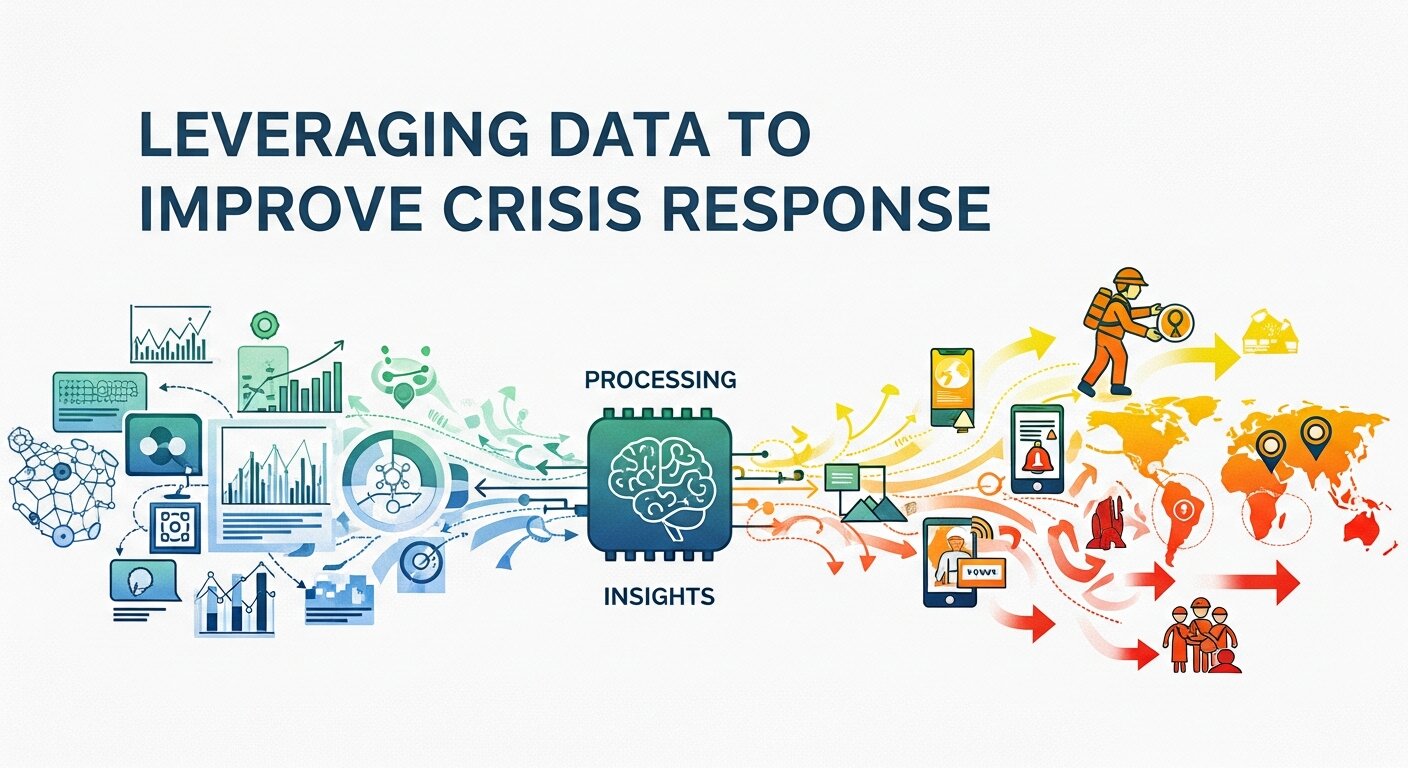 Data-driven decision-making is essential in modern crisis management. Every digital interaction leaves behind valuable insights that can inform your response strategy. By analyzing engagement patterns, audience sentiment, and trending conversations, organizations can better understand how the crisis is evolving in real time.
These insights allow brands to refine their messaging, identify key influencers shaping the narrative, and determine which platforms require immediate attention. Data also helps measure the effectiveness of response efforts, enabling teams to adjust strategies quickly if needed. Over time, this information contributes to stronger preparedness by highlighting recurring vulnerabilities. Leveraging data transforms crisis management from a reactive process into a strategic, informed approach that improves outcomes and minimizes long-term damage.
Building Long-Term Resilience After a Crisis
Recovering from a crisis is not just about restoring reputation—it is about building resilience for the future. Once the immediate threat subsides, organizations must take a step back to evaluate what went wrong and why. This involves conducting thorough post-crisis audits, identifying gaps in communication, and updating response protocols accordingly.
Investing in employee training, refining approval workflows, and strengthening monitoring systems are key steps in preventing similar incidents. Additionally, brands should engage in proactive reputation-building efforts, such as transparent storytelling and community engagement. Demonstrating tangible improvements helps rebuild trust and reinforces credibility. A well-managed recovery phase ensures that the organization emerges stronger, more prepared, and better equipped to handle future challenges in an increasingly volatile digital landscape.
Frequently Asked Questions (FAQ)
What exactly do crisis management services entail?
Crisis management services involve the preparation, immediate response, and post-event recovery strategies necessary to protect a company’s reputation. This includes social listening, crafting holding statements, media training, and executing reputation repair campaigns after the initial event has concluded.
How quickly should a brand respond to a social media controversy?
A brand should aim to acknowledge the situation within the first hour of it gaining traction. This initial response does not need to have all the answers; it simply needs to state that the company is aware of the issue and is actively investigating. This buys time to gather facts while demonstrating accountability.
Can a brand fully recover from a major digital disaster?
Yes. Many major corporations have successfully navigated massive public controversies. Full recovery requires genuine accountability, transparent communication, and tangible changes to internal practices. With the right crisis management services and a commitment to improvement, a brand can rebuild and sometimes even improve its public standing.
Why shouldn’t our internal PR team handle everything?
Internal PR teams are incredibly valuable for day-to-day communications and positive brand building. However, they are often too close to the organization to view the situation objectively during a high-stress event. External experts bring an unbiased perspective, specialized digital tools, and experience from managing hundreds of similar situations.
Fortify Your Brand’s Future
Navigating the unpredictable currents of social media requires more than just good intentions. It demands technical capabilities, strategic foresight, and the ability to act decisively under immense pressure. Leaving your reputation to chance in an environment driven by algorithmic outrage is an unnecessary risk.
Assess your current vulnerabilities and review your internal communication protocols. Partnering with seasoned professionals like SanMo US to secure comprehensive crisis management services will ensure that when the unexpected happens, your brand remains resilient, focused, and prepared to weather the storm.