Every business owner knows the sinking feeling of seeing a 1-star review pop up. It sits there, public and glaring, potentially driving away your next big client. Your immediate instinct might be to fire off a defensive reply or frantically text your loyal customers asking for backup. While understandable, this reactive approach is rarely sustainable—or effective.
Managing your online reputation is no longer just about checking Yelp or Google Reviews once a month. It has become a complex, 24/7 operation that directly impacts your SEO, customer trust, and bottom line. As your business grows, manually tracking every mention, analyzing sentiment, and responding strategically becomes a full-time job. This is where professional help steps in.
You might be thinking, “I can handle a few comments myself.” And in the early days, you probably could. But as you scale, the gap between what you can do manually and what sophisticated software and strategy can achieve widens significantly. From automating review requests to analyzing deep data trends, professional review management services offer capabilities that go far beyond simple damage control.
In this guide, we will explore exactly what these services bring to the table that you cannot easily replicate on your own, and how partnering with experts like SanMo US can turn your customer feedback into your most powerful marketing asset.
Unifying Your Digital Footprint
The sheer number of platforms where customers can leave feedback is overwhelming. You have the big players like Google, Facebook, and Yelp, but depending on your industry, you also have TripAdvisor, Angi, Trustpilot, G2, Capterra, Better Business Bureau, and countless niche forums.
The Problem with Tab-Switching
Trying to monitor all these sites manually is a logistical nightmare. You end up with 15 browser tabs open, logging in and out of different dashboards, and inevitably missing notifications. A review posted on a niche industry site might go unanswered for weeks simply because you forgot to check that specific platform.
The Centralized Solution
Review management services solve this fragmentation by aggregating everything into a single dashboard. This isn’t just about convenience; it’s about speed and coverage.
- Real-time alerts: You get notified the moment a review lands, regardless of the platform.
- Single-stream feed: See a chronologically ordered list of feedback from every source in one place.
- Consistent branding: Ensure your responses are professional and on-brand across every channel without having to switch “voices” or user interfaces.
This centralization ensures that no customer is ignored, regardless of where they choose to speak up.
The Power of Automated Solicitation
The biggest hurdle for most businesses isn’t getting good service to customers; it’s getting those happy customers to actually write a review. The unhappy ones are motivated by anger, but the happy ones usually just enjoy the product and move on with their lives.
Why Manual Requests Fail
Asking for reviews manually is inconsistent at best. You might remember to ask your favorite client during a call, or include a link at the bottom of an invoice, but it’s rarely a systematic process. Furthermore, sending manual emails at the wrong time—like three weeks after a purchase—drastically reduces the likelihood of a response.
Intelligent Automation
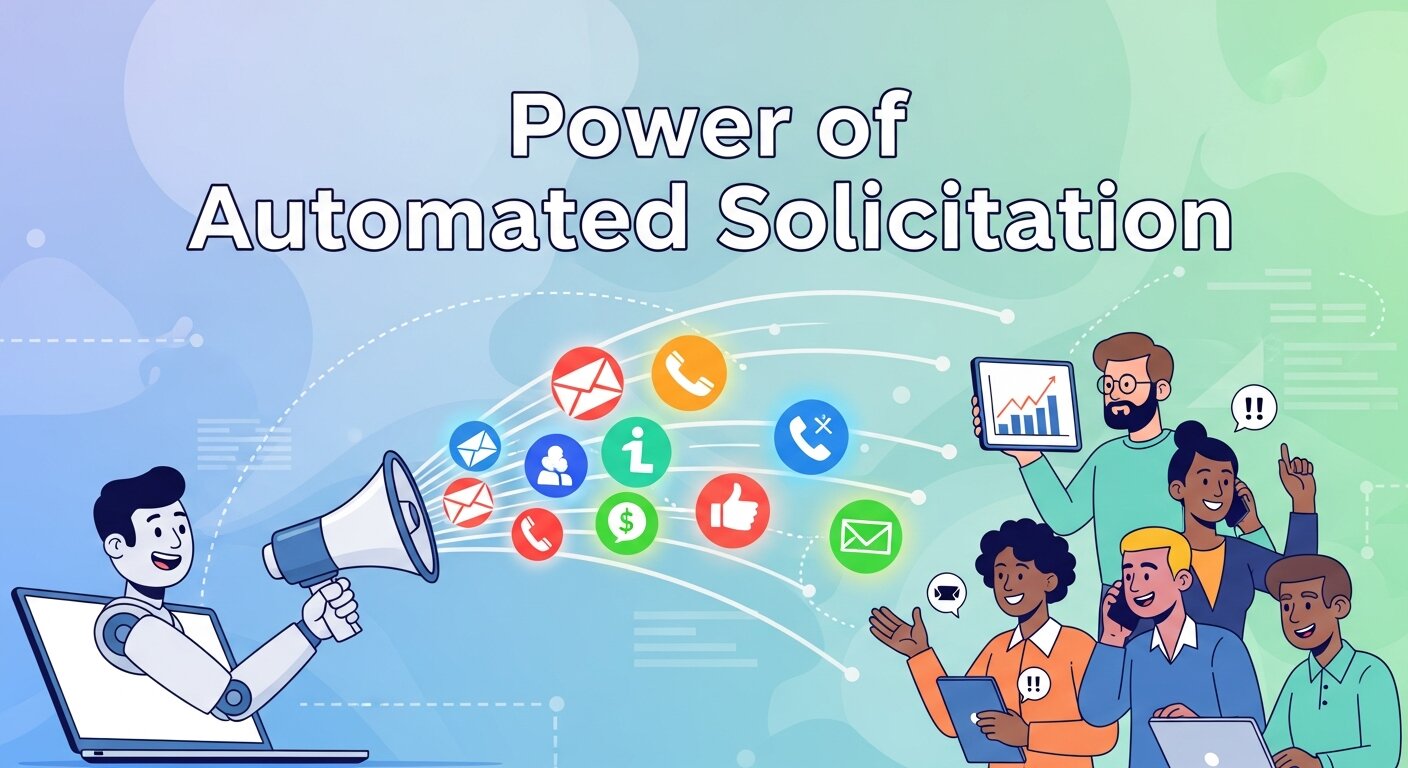
Review management services allow you to automate the “ask” at the perfect psychological moment. This is known as “drip campaigning” for reputation.
- Timing is everything: Systems can trigger a review request via SMS or email immediately after a transaction is completed or a service ticket is closed.
- Frictionless experience: Instead of asking a customer to “Go to Google and find us,” these services send direct, deep links that open the review box with a single click.
- Follow-ups: If the first request is opened but not clicked, the system can gently nudge the customer a few days later—something you would likely feel awkward doing manually.
By removing the manual labor and social friction of asking, you significantly increase the volume of positive feedback, which naturally dilutes the impact of occasional negative reviews.
Turning Sentiment into Data
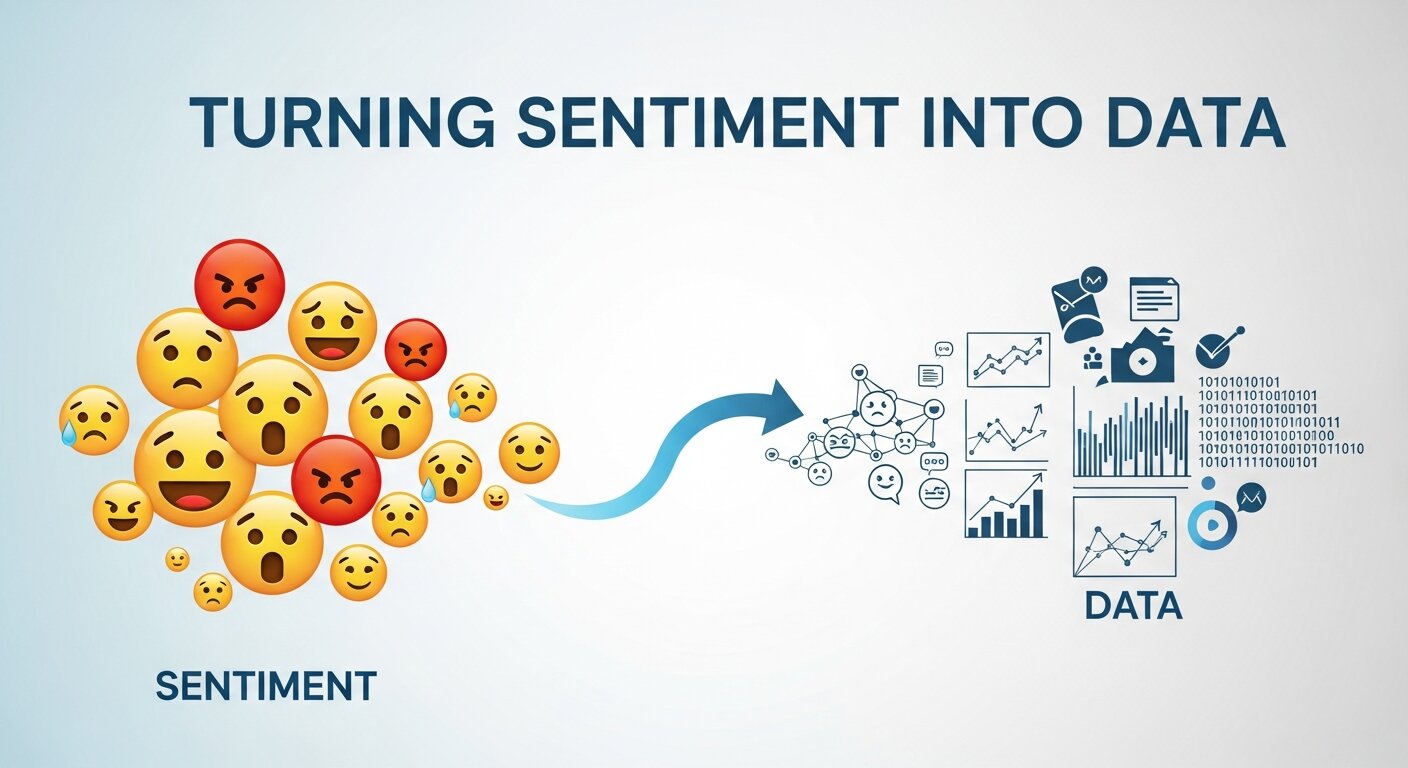
Reading reviews one by one gives you anecdotes. Analyzing them in aggregate gives you data. This is one of the most significant advantages that professional services have over a DIY approach.
Beyond Star Ratings
When you manage reviews alone, you likely look at your overall star rating (e.g., 4.2 stars) and leave it at that. But a 4.2 rating doesn’t tell you why you aren’t a 5.0. Are people loving the product but hating the shipping time? Is your staff friendly but your pricing confusing?
Natural Language Processing (NLP)
Advanced review management platforms use Natural Language Processing (NLP) to read the actual text of thousands of reviews. They identify recurring keywords and sentiment trends that a human brain might miss.
- Keyword clouds: You might discover that the word “wait time” appears in 60% of your negative reviews, while “helpful staff” appears in 80% of positive ones.
- Location comparison: If you have multiple locations, data analytics can show you that the downtown branch has a cleanliness issue while the uptown branch is struggling with parking complaints.
- Competitor benchmarking: Some tools even allow you to track your competitors’ sentiment, showing you exactly where they are failing so you can capitalize on their weaknesses.
SanMo US specializes in helping businesses interpret this data, transforming vague customer feelings into actionable operational changes.
SEO Benefits You Can’t Ignore
Many business owners don’t realize that reviews are a massive ranking factor for Local SEO. Google’s algorithm loves fresh, frequent, and relevant content.
The “Freshness” Factor
Google rewards consistency. A business that gets five new reviews every week looks much more relevant to the algorithm than a business that got 50 reviews all at once three years ago. Manually maintaining that steady trickle is difficult. Review management services ensure a steady cadence of new content, signaling to search engines that your business is active and trusted.
Review Schema and Rich Snippets
Have you ever searched for a product and seen the gold stars right there in the search results? That increases click-through rates (CTR) massively. Getting those stars to appear often requires a technical implementation called “Schema Markup.”
- Technical implementation: Review management platforms often include widgets that you can embed on your website. These widgets are coded with the correct Schema markup automatically.
- Website authority: By streaming fresh reviews directly to your site, you keep your website content dynamic, which search engines prefer over static pages.
Attempting to code Schema markup manually or using generic plugins often leads to errors or broken snippets. Professional services ensure your technical SEO is compliant with Google’s ever-changing guidelines.
Crisis Management and Gatekeeping
What happens when a fake review hits? or a coordinated attack from a disgruntled former employee? Dealing with review platforms to get content removed is a bureaucratic nightmare.
The Difficulty of DIY Disputes
If you try to flag a fake review on Google yourself, you’re often met with silence or an automated rejection. You have to know exactly which policy the review violates (Conflict of Interest? Hate Speech? Spam?) and phrase your report correctly.
Expert Escalation
Review management services like SanMo US have experience dealing with platform support teams. They know the Terms of Service inside and out. While no one can guarantee the removal of a legitimate bad review, professional services can:
- Identify violations of platform policies that you might miss.
- Draft professional escalation requests that are more likely to be read by a human moderator.
- Help you craft a public response that defuses the situation if the review cannot be removed.
Furthermore, some services offer “internal feedback loops.” This allows unhappy customers to vent their frustration privately via a direct form rather than posting it publicly immediately. This gives you a chance to resolve the issue offline before it damages your public score.
Scaling Multi-Location Management
If you own a single coffee shop, checking reviews is manageable. If you own a franchise with 50 locations, it is impossible without software.
The Multi-Location Chaos
Imagine logging into 50 different Google Business Profiles. Now imagine trying to ensure that the Manager at Location A is responding to reviews in the same tone as the Manager at Location B. Brand consistency falls apart rapidly as you scale.
Enterprise-Grade Control
Review management services provide hierarchy and permissions.
- Regional oversight: You can grant regional managers access to only their specific locations, while the HQ team sees the big picture.
- Template libraries: Create a library of pre-approved, on-brand response templates for common scenarios. This ensures that a junior manager doesn’t accidentally say something that causes a PR headache.
- Performance leaderboards: Gamify the process by showing which locations have the best response times and highest ratings, fostering healthy competition among your branches.
Leveraging User-Generated Content (UGC)
Positive reviews are marketing gold, but only if people see them. Too many businesses let glowing testimonials sit gathering dust on a third-party site.
The Manual Struggle
Copy-pasting reviews onto your website or turning them into social media graphics manually is time-consuming. By the time you get around to designing the Instagram post, the review is old news.
Automated Marketing
Review management platforms can automatically push your best 5-star reviews to your marketing channels.
- Website Widgets: A scrolling carousel of your latest top reviews updates automatically on your homepage.
- Social Sharing: Tools can auto-generate a beautiful image with the review text and the customer’s name, ready to be posted to Facebook, Instagram, or LinkedIn.
This transforms your passive reputation into active marketing material, building social proof without you having to lift a finger.
Why SanMo US is the Partner You Need
Understanding the technology is one thing; executing the strategy is another. SanMo US bridges the gap between software and service. We don’t just hand you a dashboard and wish you luck. We understand the nuances of the US market and how local consumers interact with businesses online.
Partnering with SanMo US means you aren’t just buying a tool; you’re investing in a reputation strategy. We help you set up the automation, interpret the data, and handle the crisis management, allowing you to focus on running your business. The goal isn’t just to manage reviews—it’s to grow your business through them.
Frequently Asked Questions
Can review management services delete bad reviews?
No legitimate service can simply “delete” bad reviews. However, they can help you identify reviews that violate a platform’s Terms of Service (such as spam, conflict of interest, or hate speech) and guide you through the official process of flagging them for removal. For legitimate negative reviews, the focus is on burying them with a high volume of positive feedback and responding professionally.
Is it illegal to gate reviews (prevent bad ones from going public)?
“Review gating”—where you explicitly ask happy customers for public reviews and unhappy customers for private feedback—is against Google’s policy and can get your listing penalized. However, you can offer a neutral internal feedback channel for all customers. If a customer chooses to use that internal channel for a complaint rather than going public, that is a win for your reputation, provided you don’t block them from posting publicly if they insist.
How much time will this save me?
It varies by business size, but for a company receiving 20+ reviews a month across multiple platforms, a management service can save 5–10 hours of administrative work weekly. This includes time spent logging in, monitoring, responding, and analyzing data.
Will this help my Google ranking?
Yes. Google has explicitly stated that review signals (review quantity, review velocity, and review diversity) are key factors in local search ranking. By automating the solicitation process, you increase the quantity and frequency of reviews, which directly boosts your local SEO visibility.
Can’t I just use ChatGPT to write responses?
You can, but it requires manual input for every single review. Review management services often have AI integrated directly into the dashboard, allowing you to generate a response instantly without copying and pasting text between windows. Furthermore, relying solely on AI without human oversight can sometimes lead to generic or tone-deaf responses.
Making the Switch to Professional Management
Trying to manage your online reputation alone is a bit like doing your own accounting. In the beginning, a spreadsheet works fine. But as the stakes get higher and the complexity increases, you need professional tools and expertise.
The gap between a DIY approach and professional review management services is vast. It’s the difference between reactive damage control and proactive brand building. It’s the difference between guessing what your customers want and knowing exactly what the data says.
If you are ready to stop drowning in notifications and start leveraging your reputation for growth, it is time to look beyond manual monitoring. By utilizing centralized dashboards, intelligent automation, and deep data analytics, you can turn your review section from a source of stress into your greatest competitive advantage.