Your brand’s reputation is being shaped right now—in review threads, social comments, and search results—whether you’re actively managing it or not. The question isn’t whether reputation management matters. It’s whether your approach is sophisticated enough to move the needle.
Basic reputation management—responding to reviews, monitoring brand mentions—has a role to play. But for businesses that want to build genuine customer trust and turn that trust into sustainable growth, a more advanced strategy is required. Advanced reputation management goes beyond damage control. It’s a proactive, data-driven discipline that shapes how your brand is perceived at every touchpoint, long before a customer ever raises a concern.
At SanMo US, we’ve seen firsthand how businesses that commit to advanced reputation management don’t just protect their brand—they actively accelerate it. This post breaks down what that looks like in practice, why it matters more than ever, and how your business can implement a strategy that converts reputation into revenue.
What Is Advanced Reputation Management?
Advanced reputation management is a comprehensive, strategic approach to monitoring, influencing, and improving how your brand is perceived across digital and offline channels. Unlike traditional reputation management—which is largely reactive—advanced reputation management anticipates issues, leverages data to inform decisions, and integrates reputation-building into core business functions like marketing, customer success, and product development.
Key components include:
- Proactive monitoring across review platforms, social media, news mentions, and search results
- Sentiment analysis to identify trends in customer perception before they escalate
- Strategic review generation that encourages satisfied customers to share their experiences
- Crisis response frameworks that enable fast, consistent, and brand-aligned communication
- Competitive benchmarking to measure your reputation relative to industry peers
- Reputation-driven content strategies that build authority and trust over time
The distinction between basic and advanced reputation management isn’t just technical—it’s strategic. Advanced programs treat reputation as a business asset, not just a PR concern.
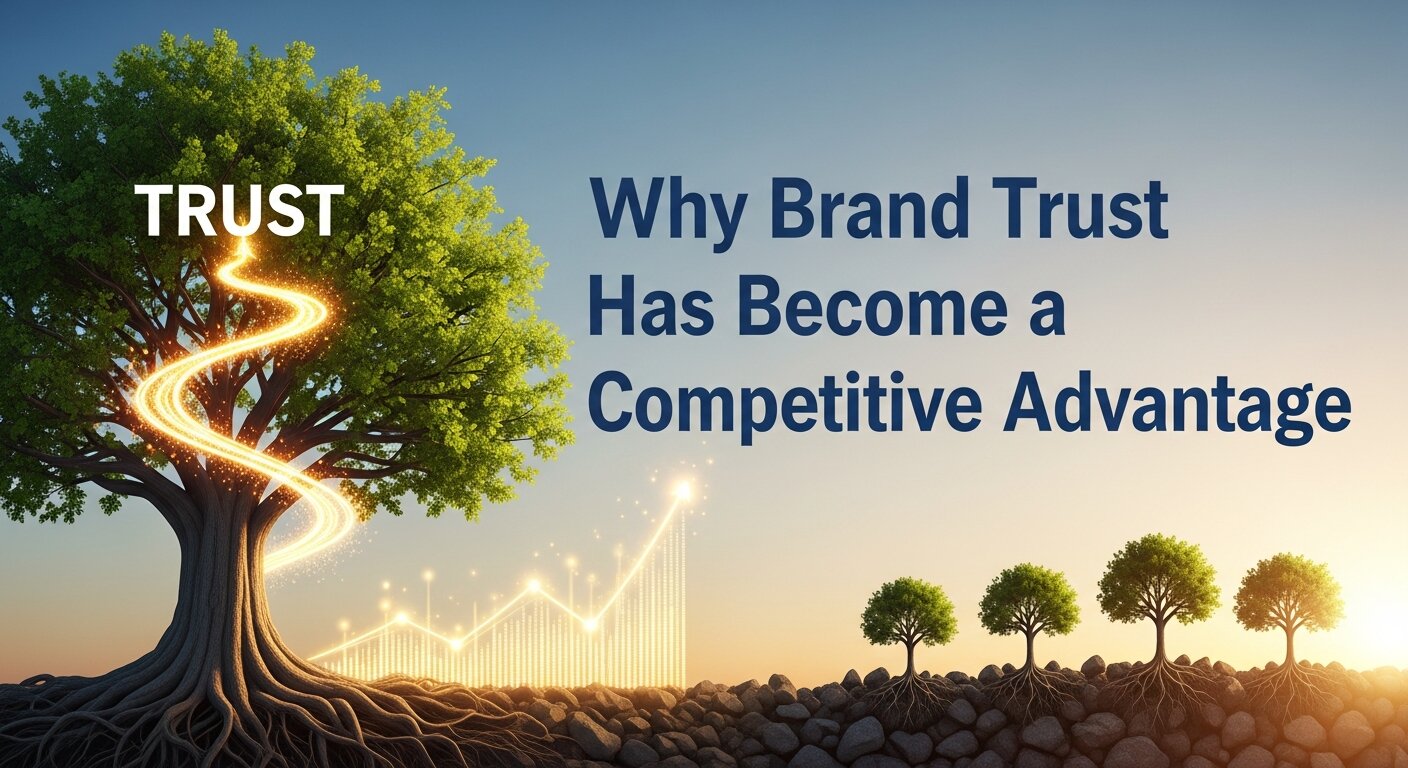
Why Brand Trust Has Become a Competitive Advantage
 Customer trust has always mattered. But the digital environment has made it far more measurable—and far more fragile. A single unresolved negative review can surface on the first page of Google for months. A social media post about a poor experience can reach thousands before your team even sees it.
At the same time, customers have more choices and higher expectations than ever. They research before they buy, check reviews before they commit, and share their experiences freely. This makes trust not just a soft value, but a hard driver of conversion and retention.
Businesses that invest in advanced reputation management understand that trust isn’t built in a moment. It’s the cumulative result of consistent experiences, authentic communication, and demonstrated accountability. When you get this right, the payoff is significant—higher conversion rates, stronger customer loyalty, better employee recruitment, and a resilient brand that can weather occasional setbacks without lasting damage.
How Advanced Reputation Management Drives Customer Growth
 It’s easy to see reputation management as a defensive play. Advanced reputation management, done well, is actually an offensive one.
Turning Reviews Into a Lead Generation Tool
Online reviews are one of the most powerful trust signals in modern marketing. Potential customers read them, weigh them, and make purchase decisions based on them. A strong, well-managed review profile doesn’t just make your business look good—it actively converts prospects.
Advanced reputation management goes beyond simply asking for reviews. It involves building systematic processes that generate reviews at scale, responding to every review in a way that reflects your brand voice, and using the data from reviews to identify and fix recurring friction points. The result is a review profile that grows consistently and authentically—one that becomes a genuine asset in your sales funnel.
Using Reputation Data to Improve Customer Experience
One of the most underused applications of reputation management is using feedback as a product development and service improvement tool. Negative reviews and low ratings are, at their core, data. They tell you where your customers’ expectations aren’t being met.
Advanced reputation management platforms aggregate this data and identify patterns. Are customers repeatedly mentioning slow response times? Confusion at checkout? A specific product flaw? These insights give leadership teams the intelligence to make targeted improvements—improvements that reduce future complaints, increase satisfaction scores, and ultimately drive retention.
Building Authority Through Reputation-Driven Content
Search engines reward authority, and authority is built on trust. Part of an advanced reputation strategy involves creating and distributing content that reinforces your brand’s credibility—thought leadership articles, case studies, customer success stories, and expert commentary.
When this content is optimized for search and distributed strategically, it occupies valuable real estate in search results, pushing down any negative content and establishing your brand as a credible, knowledgeable leader in your space. SanMo US helps brands develop these content strategies as part of an integrated reputation program, ensuring that what customers find when they search reflects the best version of your brand.
Crisis Management That Protects Long-Term Brand Equity
No business is immune to reputation challenges. A critical review goes viral, a product issue generates media coverage, or a customer complaint gets traction on social media. The difference between brands that emerge from these situations intact and those that suffer lasting damage often comes down to preparation.
Advanced reputation management includes crisis response planning: pre-defined protocols, approved messaging frameworks, designated spokespersons, and escalation procedures. When a crisis hits, brands with these frameworks in place respond faster, communicate more clearly, and demonstrate the kind of accountability that actually strengthens customer trust rather than eroding it.
What an Advanced Reputation Management Strategy Looks Like in Practice
Implementing an advanced reputation management program isn’t a one-time project—it’s an ongoing discipline. Here’s what a mature program typically involves:
1. Reputation Auditing
Before you can improve your reputation, you need to understand where it stands. A comprehensive audit covers review platforms, social media sentiment, search result composition, competitor benchmarking, and internal NPS or CSAT data.
2. Technology and Monitoring Infrastructure
Advanced reputation management relies on tools that aggregate mentions, flag sentiment shifts, and surface actionable insights in real time. Manual monitoring simply doesn’t scale.
3. Review Strategy and Response Protocols
This includes defining how and when to request reviews, crafting response templates that maintain brand consistency, and establishing escalation procedures for negative feedback that requires deeper resolution.
4. Cross-Functional Integration
Reputation management works best when it’s embedded across the business, not siloed in a single team. Marketing, customer success, sales, and product teams all have a role to play in shaping customer perception.
5. Ongoing Measurement and Reporting
Reputation is dynamic. Regular reporting against defined KPIs—review volume, average rating, sentiment trends, share of voice—allows teams to track progress, identify emerging issues, and demonstrate the business impact of reputation investment.
Common Mistakes That Undermine Reputation Management Efforts
Even businesses with good intentions make missteps that limit the effectiveness of their reputation strategy. The most common include:
- Only responding to negative reviews, while ignoring positive ones. Responding to positive reviews reinforces loyalty and shows you’re paying attention.
- Inconsistent brand voice across responses, which creates confusion and undermines trust.
- Ignoring niche or industry-specific platforms in favor of only monitoring Google or Yelp.
- Treating reputation management as a reactive function rather than a strategic priority.
- Failing to close the loop with customers whose complaints were resolved—following up demonstrates genuine care.
Avoiding these pitfalls requires both the right processes and the right mindset. Advanced reputation management isn’t a task to delegate and forget—it’s a commitment to continuous improvement.
How SanMo US Approaches Advanced Reputation Management
SanMo US partners with businesses to build and execute advanced reputation management strategies that are tailored to their industry, audience, and growth objectives. Rather than offering a one-size-fits-all solution, SanMo US combines proprietary monitoring tools, expert strategy, and hands-on execution to deliver measurable outcomes.
From reputation auditing and review generation to crisis response and authority-building content, SanMo US provides the infrastructure and expertise that modern businesses need to compete on trust. The goal isn’t just to protect your reputation—it’s to make it a genuine driver of customer acquisition and retention.
Leveraging Social Media for Reputation Growth
 Social media plays a major role in shaping how customers perceive a business. An advanced reputation management strategy should monitor conversations across major platforms, identify emerging concerns, and respond before small issues become larger problems. Businesses can also use social media to highlight positive customer experiences, share success stories, and demonstrate transparency during challenging situations. Consistent messaging helps create a recognizable and trustworthy brand voice. By analyzing engagement, sentiment, comments, and recurring customer questions, businesses can better understand audience expectations and improve communication. Social listening also provides valuable insights into competitors and industry trends. When social media monitoring is combined with review management and reputation-driven content, businesses can create a stronger digital presence, build customer confidence, and maintain greater control over how their brand is represented online.
Measuring Reputation Management Performance
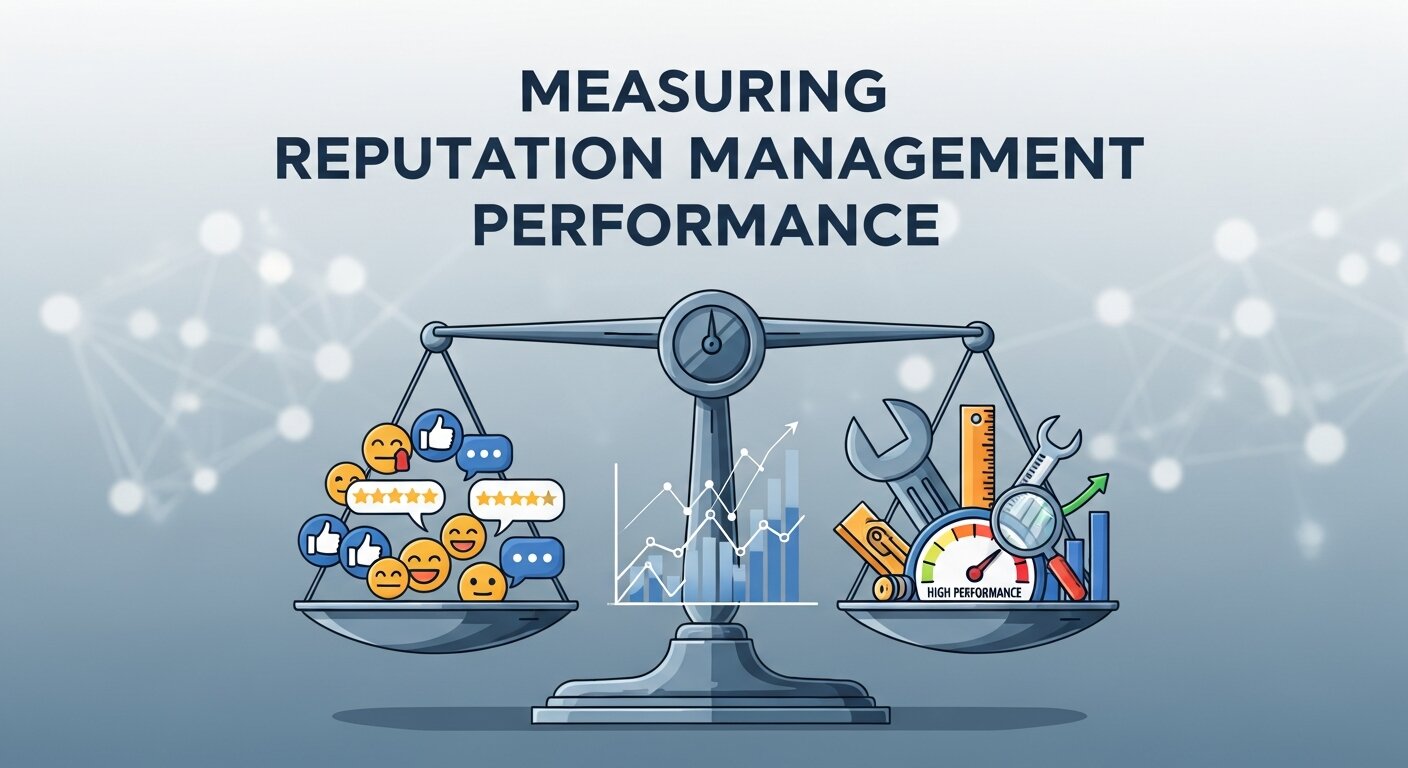 Effective reputation management requires continuous measurement to understand whether strategies are producing meaningful results. Businesses should track key indicators such as review volume, average ratings, customer sentiment, response times, brand mentions, search visibility, and customer engagement. Comparing these metrics over time helps identify improvements as well as potential reputation risks. Reputation data can also reveal which customer concerns require operational changes and which positive experiences should be promoted through marketing content. Regular reporting allows teams to connect reputation improvements with broader business outcomes, including customer acquisition, retention, and conversion rates. By establishing clear performance benchmarks and reviewing results consistently, companies can move beyond reactive reputation management and make informed decisions that strengthen customer trust and support sustainable long-term growth.
Frequently Asked Questions
What is the difference between basic and advanced reputation management?
Basic reputation management typically involves monitoring reviews and responding to negative feedback. Advanced reputation management is a proactive, data-driven strategy that includes sentiment analysis, review generation systems, crisis planning, authority-building content, and competitive benchmarking. The key difference is strategic intent—advanced programs treat reputation as a business growth lever, not just a risk mitigation tool.
How long does it take to see results from advanced reputation management?
Results vary depending on the starting point and the scope of the strategy, but most businesses begin to see measurable improvements in review volume and average rating within 60 to 90 days. Building sustained brand authority through content and search presence typically takes six to twelve months of consistent effort.
Can advanced reputation management help recover from a brand crisis?
Yes. Crisis recovery is one of the most important applications of advanced reputation management. A well-prepared program includes response frameworks, messaging guidelines, and escalation protocols that allow businesses to respond quickly and consistently during a crisis—minimizing long-term reputational damage and demonstrating accountability to customers.
How does reputation management affect SEO?
Reputation management and SEO are closely linked. Positive reviews signal credibility to search engines, authority-building content improves search rankings, and a strong review profile increases click-through rates in local search results. An advanced reputation management strategy that integrates content and SEO can significantly improve your brand’s visibility in search.
What industries benefit most from advanced reputation management?
Advanced reputation management delivers value across industries, but it’s especially impactful in sectors where trust is a primary purchase driver—healthcare, financial services, hospitality, legal services, home services, and e-commerce. Any business where customers research before buying can benefit substantially from a well-executed reputation strategy.
Why should I work with SanMo US for reputation management?
SanMo US combines strategic expertise with hands-on execution to help businesses build, protect, and grow their brand reputation. Rather than offering generic solutions, SanMo US develops tailored programs aligned to your specific goals, audience, and competitive landscape—delivering measurable outcomes across review management, content authority, and crisis preparedness.
Building a Brand That Earns Trust Consistently
Advanced reputation management isn’t a quick fix. It’s a long-term commitment to showing up for your customers, addressing their concerns, and continuously improving the experiences you deliver. Businesses that approach reputation this way don’t just avoid crises—they build the kind of enduring brand equity that compounds over time.
The brands customers trust most aren’t the ones with zero negative reviews. They’re the ones that respond with integrity, improve based on feedback, and communicate authentically. That’s what advanced reputation management makes possible—and that’s what SanMo US helps businesses achieve.
If your current approach to reputation management is reactive, inconsistent, or limited in scope, now is the time to raise the bar. The brands investing in advanced reputation management today are the ones customers will choose tomorrow.