
Advanced Video SEO has become an essential component of digital marketing for businesses that want to improve their online visibility and reach their target audiences. As video content continues to influence how people discover products, evaluate services, and interact with brands, businesses need more than basic optimization techniques to compete effectively in search results. A well-optimized video can attract qualified viewers, increase website engagement, and support long-term organic growth.
For businesses operating in competitive markets, Advanced Video SEO involves optimizing video content, metadata, structured data, technical performance, and audience experience. These strategies help search engines understand video content and connect it with relevant search queries. SanMo US helps businesses strengthen their digital presence through strategic SEO solutions designed to improve discoverability, attract relevant traffic, and support measurable marketing outcomes.
Understanding Advanced Video SEO
Advanced Video SEO goes beyond adding keywords to video titles and descriptions. It combines technical optimization, content relevance, structured data, and user engagement to help videos appear in relevant search experiences. Businesses can use these methods to improve their visibility across search engines and video platforms while making their content more useful to potential customers.
How Video Search Engine Optimization Works
Video search engine optimization helps search engines understand a video’s subject, context, and relevance to a user’s query. Search engines may evaluate video titles, descriptions, surrounding webpage content, thumbnails, transcripts, and structured data when determining how to present video results.
Effective optimization also depends on accessibility and technical performance. When a video has a descriptive title, a relevant transcript, and a properly optimized landing page, search engines and viewers can better understand its purpose. Businesses should create videos that answer specific questions rather than focusing exclusively on rankings.
Why Advanced Video SEO Matters for Businesses
Video content can help businesses communicate complex information, demonstrate products, and build trust with potential customers. However, publishing videos without an optimization strategy may limit their discoverability. Advanced Video SEO helps businesses align their content with audience intent and improve the chances of reaching people who are actively searching for relevant information.
For companies targeting the United States market, a comprehensive strategy can support brand awareness, organic traffic growth, and lead generation. SanMo US can help businesses incorporate video optimization into a broader digital marketing strategy that connects content visibility with business objectives.
Conducting Strategic Video Keyword Research
 Keyword research provides the foundation for an effective video SEO campaign. Understanding what potential customers search for helps businesses select appropriate video topics and develop content that addresses genuine audience needs. Advanced keyword research considers search intent, competition, topic relevance, and the relationship between video searches and broader organic search opportunities.
Identifying High-Intent Video Keywords
High-intent video keywords reveal what viewers want to learn, compare, or accomplish. A business offering software, for example, might create videos targeting searches related to product demonstrations, feature comparisons, tutorials, or troubleshooting. These topics can attract viewers who are already interested in a particular solution.
Businesses should evaluate keyword relevance rather than selecting topics solely because they have high search volumes. Long-tail keywords can be especially valuable because they often reflect specific questions and clearer search intent. Incorporating these terms naturally into video content can improve relevance without making titles or descriptions sound unnatural.
Mapping Keywords to Video Content
Keyword mapping involves assigning relevant search terms to individual videos and their associated webpages. This process helps prevent unnecessary overlap between videos and ensures that each piece of content serves a distinct purpose. A tutorial, product demonstration, and customer testimonial should each target an appropriate audience need.
A structured keyword map also supports content planning. Businesses can organize videos into related topic groups, connect them through internal links, and build topical relevance over time. This approach makes video content easier to navigate while supporting a consistent SEO strategy.
Optimizing Video Titles, Descriptions, and Metadata
Video metadata communicates essential information about a video’s subject to search engines and potential viewers. Clear titles, informative descriptions, relevant tags where supported, and accurate supporting information help establish context. Effective metadata optimization combines keyword relevance with readability, ensuring that users understand the value of a video before choosing to watch it.
Creating Search-Friendly Video Titles
A strong video title explains the main topic clearly and gives viewers a reason to watch. Including the primary keyword naturally can improve relevance, but the title should remain accurate and useful. Misleading headlines may generate initial clicks while damaging audience trust and increasing the likelihood that viewers leave disappointed.
Businesses should place the central topic near the beginning when it reads naturally. Titles can also communicate a clear benefit, such as learning a process or understanding a business challenge. For SanMo US clients, aligning video titles with audience needs can help create a consistent connection between search visibility and brand messaging.
Writing Effective Video Descriptions
Video descriptions provide additional context about the content, its purpose, and its relevance. A useful description should explain what viewers will learn, incorporate relevant keywords naturally, and provide helpful links when appropriate. Repeating the same keyword excessively does not create a sustainable optimization advantage.
For videos embedded on business websites, the surrounding webpage should also contain meaningful information about the video. Supporting text, relevant headings, and useful resources can strengthen the page’s relevance. A descriptive page title and an informative introduction help search engines understand how the video fits into the broader topic.
Improving Video Technical SEO
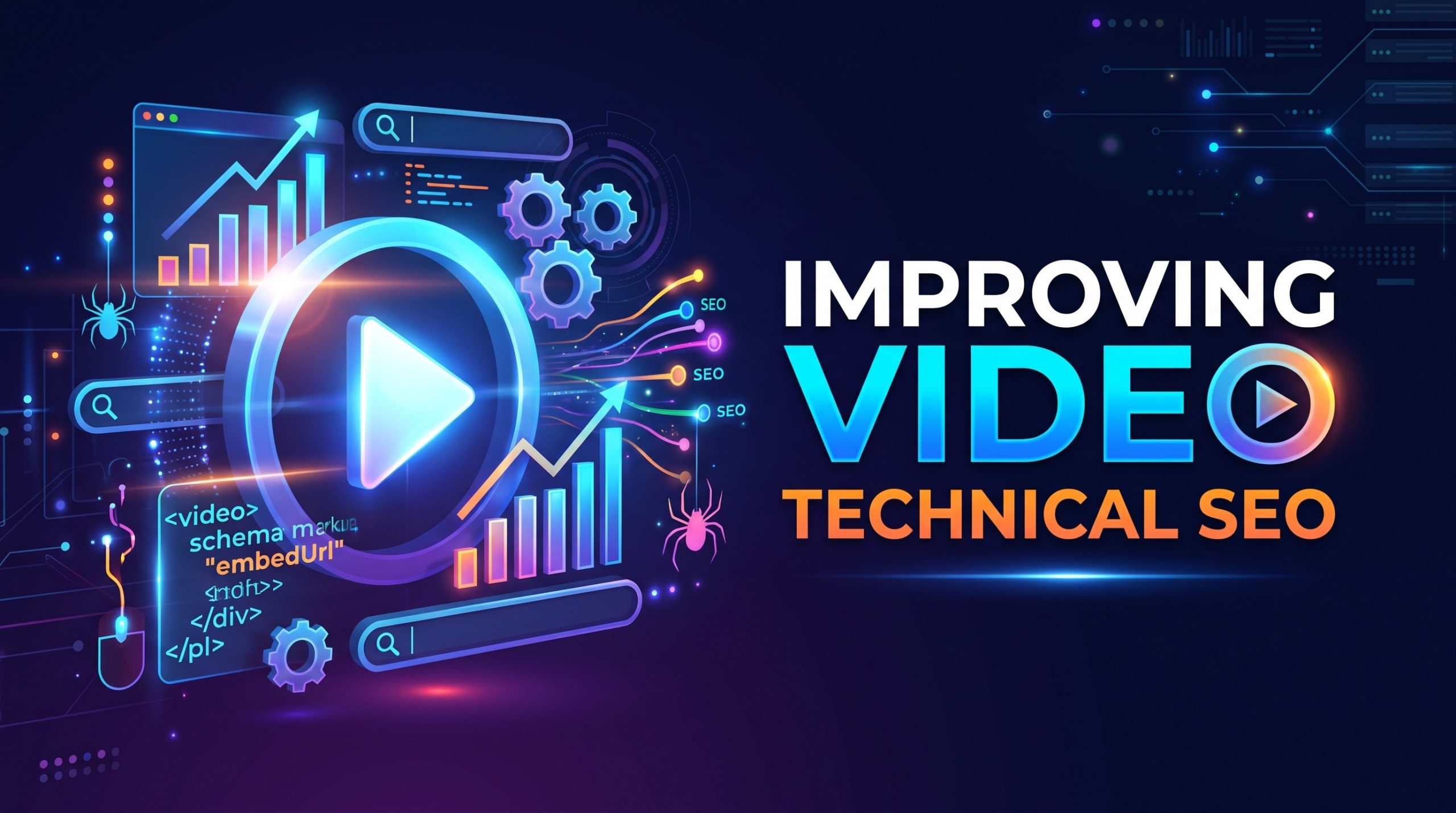 Technical SEO helps search engines discover, access, and interpret video content. Even a valuable video may receive limited search visibility if its hosting configuration, webpage structure, loading performance, or indexing signals create obstacles. A technical video SEO strategy should make important videos accessible to users and search engines without compromising the overall website experience.
Implementing Video Structured Data
Video structured data helps search engines interpret information about video content. The VideoObject schema can describe details such as the video’s name, description, thumbnail, upload date, duration, and content location when applicable. Accurate structured data can improve search engines’ understanding of a video and may make it eligible for supported enhanced search presentations.
Structured data must reflect the actual video and comply with search engine requirements. Adding schema does not guarantee rich results or higher rankings. Businesses should validate their implementation, maintain accurate information, and monitor changes that could affect eligibility. SanMo US can incorporate structured data considerations into a broader technical SEO strategy.
Optimizing Video Pages for Indexing
Search engines need to discover and access the pages containing important video content. Businesses should ensure that essential video pages are crawlable, internally linked, and accessible without unnecessary technical barriers. Video sitemaps and appropriate metadata can provide additional discovery information where relevant.
The main video should be easy to identify on its associated webpage. Businesses should also avoid relying entirely on content that search engines cannot access or interpret. Reviewing indexing reports and video-related search performance helps identify pages that require technical improvements.
Enhancing Video User Experience and Engagement
User experience influences whether viewers continue watching, explore related content, or take the next step toward becoming customers. An effective video SEO strategy therefore considers more than search engine discovery. It also focuses on delivering useful information, maintaining audience interest, and making videos accessible across devices and viewing environments.
Creating Compelling Video Thumbnails
A thumbnail is often the first visual element a potential viewer notices. A clear, relevant, and visually distinctive thumbnail can help communicate the subject of a video and encourage appropriate clicks. Businesses should avoid misleading imagery because attracting viewers who do not find the promised content can undermine trust.
Thumbnails should remain recognizable at different screen sizes and accurately represent the video. Consistent visual branding can also help audiences recognize content from the same business. Although thumbnails alone cannot guarantee higher rankings, they can contribute to a stronger presentation in search results and video platforms.
Improving Video Accessibility and Retention
Accessibility makes video content useful to a wider audience. Accurate captions and transcripts help viewers who cannot hear the audio clearly, prefer reading, or need to understand specialized terminology. Transcripts also provide searchable text that can help users and search engines understand the video’s subject when appropriately presented.
Audience retention depends on delivering value quickly and organizing information logically. Videos should introduce their purpose early, avoid unnecessary repetition, and maintain a clear narrative. Reviewing audience retention reports can reveal where viewers lose interest and help businesses improve future content.
Developing a Video Content Distribution Strategy
 Publishing a video is only one part of an effective video marketing strategy. Businesses also need to distribute content through appropriate channels so relevant audiences can discover and use it. A well-planned distribution strategy supports broader reach, encourages meaningful engagement, and creates additional opportunities to attract visitors to important website pages.
Embedding Videos on Relevant Website Pages
Embedding a video on a relevant webpage can improve the usefulness of that page by demonstrating a process or explaining a difficult concept. Product pages, service pages, tutorials, and educational resources may benefit from videos that directly support their main purpose.
Businesses should ensure that embedded videos do not interfere with page performance or prevent visitors from accessing essential information. The video should complement the written content rather than replace all useful context. Clear internal links can guide visitors toward related resources and relevant service offerings.
Promoting Videos Across Digital Channels
Video distribution may include social media, email newsletters, relevant communities, and other appropriate marketing channels. Each platform has different audience expectations, so businesses should adapt their promotional messaging rather than publishing identical material everywhere.
Promotion can generate initial exposure and introduce videos to audiences who may later search for the brand or visit its website. However, businesses should focus on genuine relevance and audience value instead of artificial engagement. A consistent distribution plan can help extend the useful life of video content.
Measuring Advanced Video SEO Performance
 Measurement helps businesses understand whether their optimization efforts are producing meaningful results. Instead of judging success solely by views, companies should evaluate search visibility, qualified traffic, engagement, and conversions. These metrics provide a more complete picture of how video content supports broader marketing goals and where additional improvements may be necessary.
Tracking Video SEO Metrics
Businesses can use Google Search Console, website analytics, and platform-specific reporting tools to evaluate video performance. Relevant measurements may include impressions, clicks, organic visits, indexed video pages, viewing duration, audience retention, and conversions associated with video traffic.
Each metric answers a different question. Impressions indicate exposure, while clicks show whether users choose to visit a result. Engagement metrics help explain how audiences interact with content, and conversion data connects marketing activity with business outcomes. Combining these measurements makes optimization decisions more informed.
Refining Video Optimization Through Data
Continuous improvement is essential because audience behavior, search presentation, and content competition can change over time. Businesses should regularly review underperforming videos, identify gaps in their metadata, and evaluate whether the content adequately answers its target search queries.
Testing different thumbnails, improving introductions, updating outdated information, and strengthening internal links may improve the overall user experience. Changes should be evaluated using relevant performance data rather than assumptions. SanMo US can help businesses align ongoing SEO improvements with measurable digital marketing objectives.
How SanMo US Supports Advanced Video SEO
SanMo US helps businesses strengthen their online presence through strategic search engine optimization services. Video SEO can complement technical SEO, content optimization, keyword research, and broader digital marketing initiatives, creating a more integrated approach to organic visibility.
An effective campaign begins with understanding business goals, target audiences, and existing content performance. From there, businesses can identify optimization opportunities, prioritize important videos, and establish measurable performance benchmarks. Technical improvements, relevant content, and consistent monitoring help create a sustainable foundation for growth.
For businesses competing in the US market, Advanced Video SEO can support product discovery, educational content marketing, service awareness, and lead generation. Working with an experienced SEO provider can help businesses develop a practical strategy that connects video content with their broader online marketing objectives.
Conclusion
Advanced Video SEO helps businesses make video content more discoverable, useful, and relevant to their target audiences. By combining strategic keyword research, effective metadata, technical optimization, structured data, accessibility, and performance measurement, companies can build a stronger foundation for sustainable search visibility.
Successful optimization requires a consistent focus on audience needs rather than rankings alone. Businesses should regularly evaluate their video content, improve the user experience, and connect videos with relevant website resources. With a strategic approach from SanMo US, businesses can integrate video SEO into their digital marketing efforts and work toward stronger organic visibility, meaningful engagement, and long-term growth.
Frequently Asked Questions
1. What Is Advanced Video SEO?
Advanced Video SEO is the process of improving video discoverability through strategic keyword research, metadata optimization, technical SEO, structured data, accessibility, and performance analysis. It helps search engines understand video content and connect it with relevant searches.
2. Why Is Video SEO Important for Businesses?
Video SEO helps businesses improve the discoverability of their video content, reach relevant audiences, and support organic traffic growth. It can also strengthen product education, brand awareness, and customer engagement when videos provide useful information.
3. How Can I Optimize a Video for Search Engines?
Start by researching relevant keywords and creating a descriptive title. Write an informative description, use an accurate thumbnail, provide captions or a transcript, and ensure the video is accessible on a properly optimized webpage.
4. What Is the Role of Video Structured Data?
Video structured data helps search engines understand information about a video, including its title, description, thumbnail, duration, and publication date. Correct implementation may improve eligibility for supported search features but does not guarantee enhanced results.
5. Do Video Titles Affect SEO?
Video titles help communicate the subject of a video to search engines and viewers. Clear, relevant titles that naturally incorporate target keywords can improve topical understanding and encourage appropriate clicks.
6. How Do Video Transcripts Support SEO?
Transcripts provide a text version of spoken video content, making information easier to access and review. They can help users understand the content and provide additional context when made available in an appropriate format on a webpage.
7. What Tools Can Help Measure Video SEO Performance?
Google Search Console can help monitor search visibility and clicks, while website analytics tools can measure traffic and conversions. Video hosting platforms also provide engagement data, including viewing duration and audience retention.
8. Can Video SEO Improve Website Traffic?
Yes, effective video SEO can help videos and associated webpages reach relevant audiences through organic search. Traffic outcomes depend on content quality, competition, search demand, technical implementation, and how well the video meets user intent.
9. How Often Should Businesses Update Their Video SEO?
Businesses should review video performance regularly and update content when information becomes outdated or new optimization opportunities emerge. The appropriate frequency depends on the topic, industry changes, search performance, and business objectives.
10. How Can SanMo US Help With Advanced Video SEO?
SanMo US can support businesses with SEO strategies designed to improve online visibility. Video SEO efforts may include keyword research, metadata recommendations, technical optimization, content improvements, and performance monitoring as part of a broader SEO campaign.