Your brand’s reputation precedes you long before a customer ever lands on your website or walks through your front door. A single viral review, a misunderstood social media post, or a sudden surge in negative feedback can redefine how the public perceives your business overnight. Relying on periodic checks of your Google reviews or Facebook mentions is no longer enough to protect your company’s image.
The conversation around your business is happening continuously across hundreds of platforms. Consumers talk about brands on niche forums, social media channels, review sites, and video platforms. To capture, understand, and influence these conversations, companies must adopt a highly proactive approach. This requires moving beyond basic monitoring and embracing comprehensive strategies that secure your brand’s narrative.
Advanced reputation management systems provide the framework necessary to achieve this. These systems combine artificial intelligence, predictive analytics, and omnichannel monitoring to help organizations stay ahead of the curve. By identifying potential issues before they escalate and highlighting positive brand advocacy, businesses can maintain total control over their public image.
Implementing advanced reputation management is a critical requirement for long-term brand success. It protects your bottom line, fosters deep consumer trust, and ensures that your brand remains resilient against inevitable public relations challenges. Here is a closer look at how these systems work and how you can leverage them for your organization.
What Makes Reputation Management “Advanced”?
Basic reputation management usually involves a marketing manager manually reading through Yelp or Google reviews once a week. They might reply to a few unhappy customers, thank a few loyal ones, and call it a day. Advanced reputation management completely redefines this process. It takes a holistic, technology-driven approach to brand perception.
Shifting from Reactive to Proactive
Traditional methods force businesses to play defense. A problem occurs, customers complain, and the company scrambles to issue an apology. Advanced reputation management flips the script by focusing on proactive engagement. By tracking subtle shifts in online sentiment, brands can detect emerging dissatisfaction early. If a recent software update causes minor glitches, an advanced system will flag the rising frustration online, allowing the company to issue a patch and a public statement before the issue reaches mainstream tech blogs.
Leveraging AI and Machine Learning
Human teams cannot physically read every comment, tweet, and review mentioning their brand across the internet. Advanced systems utilize artificial intelligence and machine learning algorithms to do the heavy lifting. These tools process massive amounts of unstructured data in real time. They learn the specific context of your industry, understanding sarcasm, slang, and nuanced language to accurately categorize online mentions as positive, negative, or neutral.
Core Components of Advanced Reputation Management
To build a strategy that guarantees long-term success, organizations need to understand the structural pillars of a modern reputation system. These components work together to create a unified shield around your brand’s digital footprint.
Omnichannel Sentiment Analysis
Customers do not limit their opinions to a single platform. A buyer might leave a formal review on Trustpilot, post an unboxing video on TikTok, and discuss the product’s durability on a specialized Reddit forum. Omnichannel sentiment analysis aggregates all these distinct data points into a single dashboard. This gives leadership a bird’s-eye view of public sentiment. You can instantly see how a new product launch is being received across different demographics and platforms, allowing for swift, data-backed adjustments to your marketing strategy.
Automated Response Systems
Speed is critical when dealing with customer feedback. If a user leaves a scathing review about a delayed shipment, a delayed response only fuels their anger. Advanced reputation management platforms often feature automated response capabilities. While sensitive issues always require a human touch, AI can immediately acknowledge customer complaints, provide a support ticket number, and assure the user that a representative is looking into the matter. This immediate acknowledgment diffuses tension and demonstrates that your brand values consumer feedback.
Predictive PR Crisis Management
A true crisis rarely comes without warning signs. Predictive crisis management uses historical data and trend analysis to forecast potential public relations disasters. If your system detects a sudden 400% spike in negative mentions related to a specific product flaw, it immediately triggers high-priority alerts to your executive team. This early warning system provides the crucial hours needed to draft a response, coordinate with legal teams, and formulate a solution before the story is picked up by major news outlets.
How Advanced Systems Drive Long-Term Brand Success
 Investing in high-level reputation management technology requires capital and resources. However, the return on this investment manifests in several distinct, measurable ways that secure the longevity of the business.
Building Unshakeable Consumer Trust
Trust is the ultimate currency in modern commerce. Consumers actively research brands before making purchasing decisions, and they heavily weigh the opinions of strangers. When an organization utilizes advanced reputation management to quickly resolve complaints and publicly celebrate positive feedback, it broadcasts transparency. Potential buyers see a brand that genuinely cares about its user base. This transparency breeds loyalty, transforming casual buyers into vocal brand advocates who will defend your company during future controversies.
Boosting Local and Global SEO Visibility
Search engines like Google heavily factor online reviews and brand mentions into their ranking algorithms. A consistent stream of positive reviews, coupled with active management responses, signals to search engines that your business is legitimate, active, and highly regarded by the public. This directly improves your local SEO performance, pushing your business to the top of the “Local Pack” in search results. Furthermore, high-quality PR generated by proactive reputation management leads to authoritative backlinks, boosting your overall global search visibility.
Talent Acquisition and Employee Retention
Your reputation does not just impact your customers; it directly affects your ability to hire top talent. High-performing professionals research a company’s culture and leadership on sites like Glassdoor before accepting an interview. A strong, well-managed employer brand attracts better candidates. Advanced reputation management strategies include monitoring internal employee sentiment and alumni reviews. By addressing workplace concerns publicly and professionally, companies can reduce turnover and attract the brightest minds in their industry.
Implementing an Advanced Reputation Management Strategy
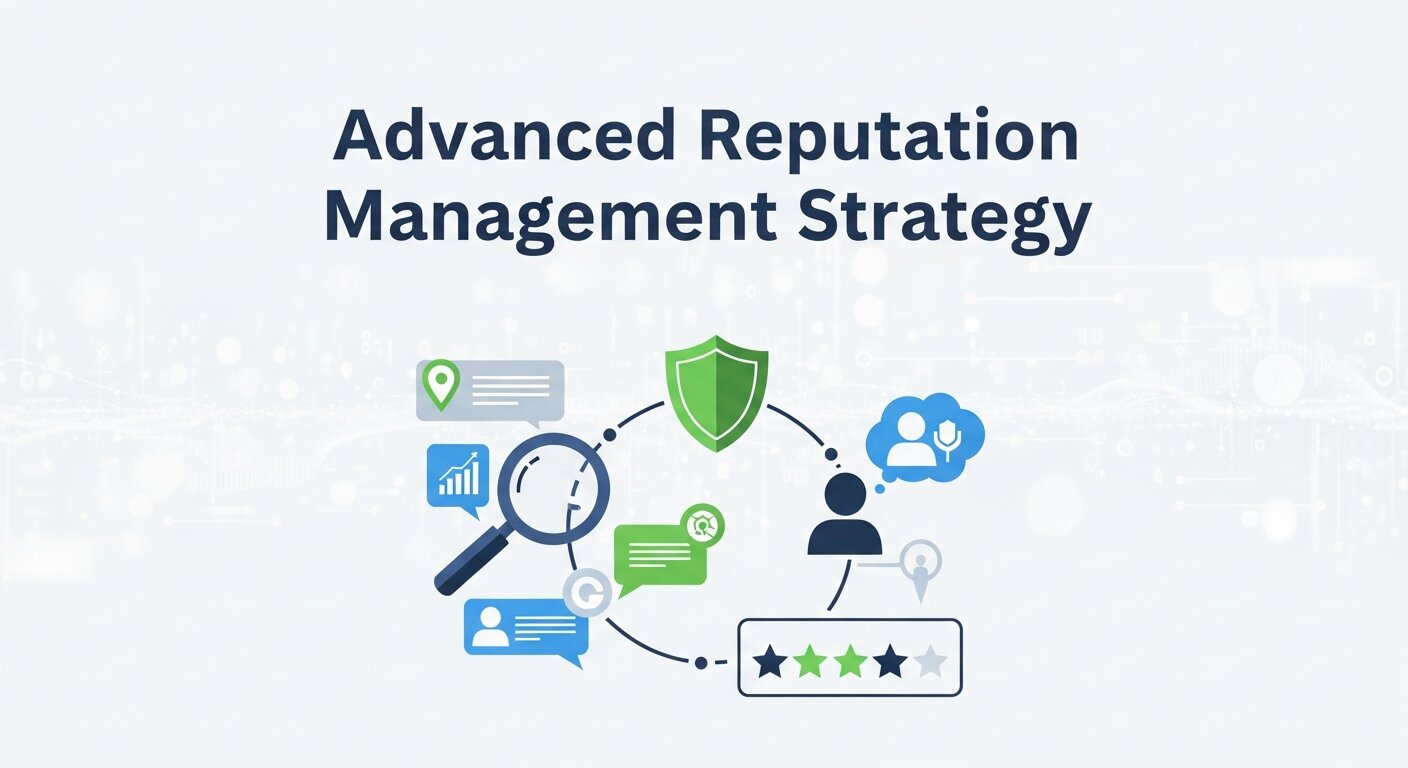 Transitioning from a basic review-monitoring setup to an advanced reputation ecosystem requires a strategic rollout. Organizations must align their technology, personnel, and internal policies to make the system work effectively.
Step 1: Audit Your Current Footprint
Begin by conducting a comprehensive audit of your brand’s current online presence. Identify every platform where your brand is mentioned. This includes industry-specific review sites, social media networks, employee review boards, and local directories. Note the current sentiment, your average ratings, and any glaring issues that have been left unaddressed. This audit serves as your baseline metric to measure future success.
Step 2: Invest in the Right Technology
Select a software platform that aligns with the scale of your business. Look for tools that offer robust natural language processing, real-time alert systems, and comprehensive reporting dashboards. The right platform should integrate seamlessly with your existing Customer Relationship Management (CRM) software, allowing your sales and support teams to access reputation data alongside individual customer profiles.
Step 3: Train a Dedicated Response Team
Technology is only as effective as the people operating it. Establish a dedicated reputation management team consisting of PR professionals, customer service representatives, and social media managers. Create clear guidelines and response matrices. Your team needs to know exactly how to handle a glowing endorsement, a minor product complaint, and a severe legal accusation. Empower these employees to solve problems creatively and quickly, without needing executive approval for every minor interaction.
Competitor Reputation Benchmarking
One of the most overlooked aspects of advanced reputation management is understanding how your brand compares to competitors in the eyes of consumers. Reputation benchmarking allows businesses to track customer sentiment, review ratings, media coverage, and social engagement across competing brands within the same industry. By analyzing competitor weaknesses and strengths, organizations can identify gaps in their own customer experience and uncover new market opportunities. For example, if customers consistently praise a competitor’s support response time, your company can prioritize improving service efficiency to stay competitive. Benchmarking also helps businesses recognize industry-wide risks before they become widespread issues. This data-driven comparison ensures brands remain agile, informed, and capable of outperforming rivals in both public perception and customer loyalty.
Reputation Management for Social Media Influencers
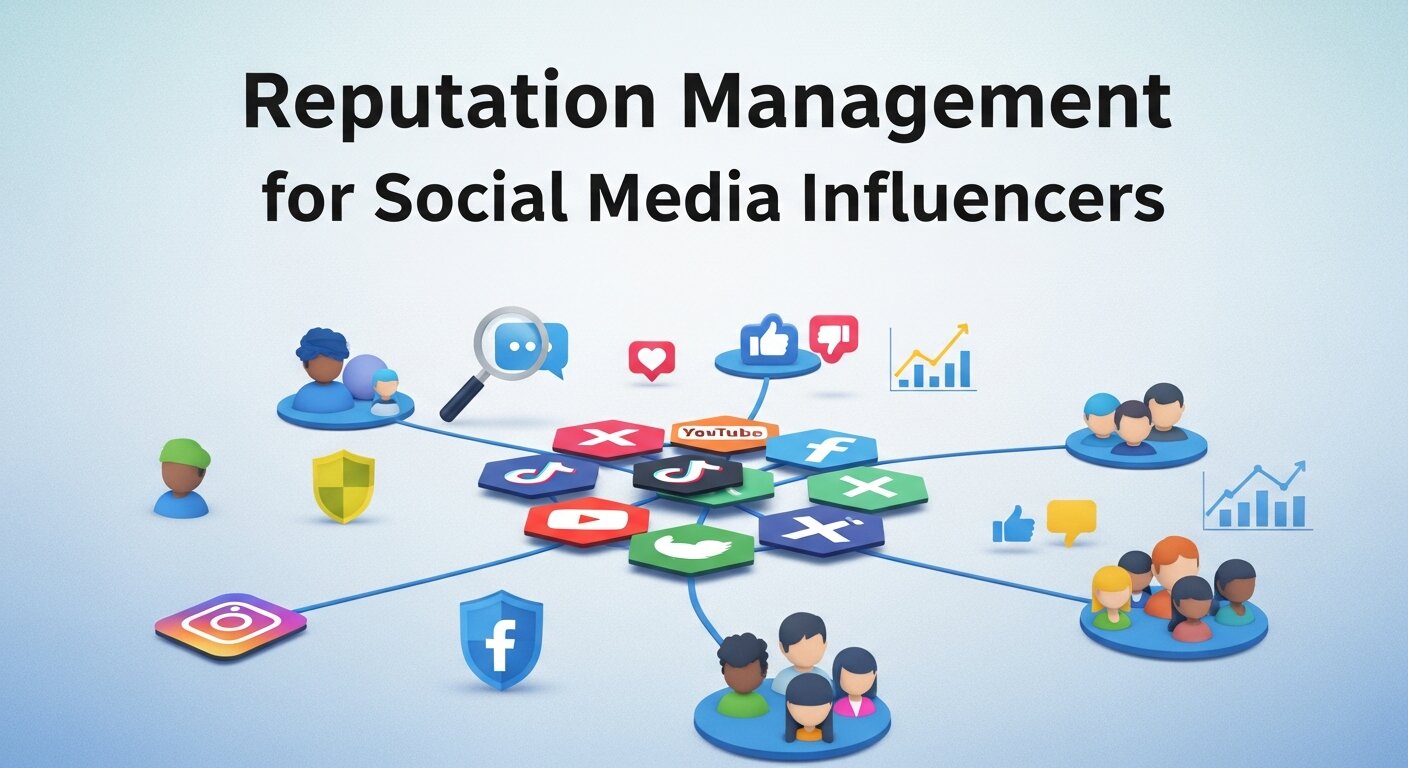 Modern reputation management is no longer limited to corporations and large enterprises. Influencers, creators, and public personalities also require sophisticated systems to maintain credibility online. A single controversial statement or misleading partnership can instantly damage years of trust built with followers. Advanced reputation management tools help influencers monitor audience reactions across multiple social platforms, identify shifts in engagement sentiment, and manage online controversies before they spiral out of control. These systems also help creators maintain authenticity by analyzing follower feedback and ensuring sponsored collaborations align with audience expectations. By actively managing their online reputation, influencers can protect brand partnerships, sustain audience loyalty, and create a more stable long-term digital presence in highly competitive online industries.
The Role of Reputation Management in Customer Experience
Customer experience and reputation management are deeply connected because every customer interaction contributes to public perception. Businesses that ignore customer frustrations often face negative reviews, declining trust, and reduced retention rates. Advanced reputation management systems provide valuable insights into recurring service problems, allowing organizations to improve the overall customer journey. By analyzing feedback from support tickets, surveys, and online conversations, companies can identify operational weaknesses and resolve them proactively. This creates a smoother and more satisfying customer experience that naturally generates positive reviews and recommendations. When customers feel heard and valued, they become more likely to advocate for the brand publicly. In the long run, combining excellent customer experience with proactive reputation monitoring creates a strong foundation for sustainable business growth and market leadership.
Measuring the Success of Reputation Management Strategies
 Implementing a reputation management strategy is only effective when businesses consistently measure performance and refine their approach. Advanced systems provide detailed analytics that help organizations evaluate brand perception over time. Important metrics include review ratings, customer sentiment trends, social media engagement, response times, share of voice, and overall brand visibility in search engine results. Businesses can also monitor conversion rates and customer retention to understand how reputation impacts revenue growth. By regularly reviewing these performance indicators, companies can identify which strategies are generating positive results and which areas require improvement. Data-driven reporting ensures reputation management becomes an ongoing business function rather than a temporary marketing effort. Continuous measurement helps organizations stay adaptable, maintain public trust, and strengthen their competitive position in constantly evolving digital markets.
Frequently Asked Questions (FAQ)
What is the difference between PR and reputation management?
Public relations generally focuses on creating positive media coverage and shaping the public narrative through press releases and media outreach. Reputation management focuses on monitoring, analyzing, and responding to what consumers and third parties are saying about your brand online. While PR is highly outbound, reputation management handles the inbound conversation.
How much does advanced reputation management software cost?
Pricing varies wildly depending on the size of the enterprise and the specific features required. Small businesses might spend a few hundred dollars a month on robust monitoring tools, while large multinational corporations often invest tens of thousands of dollars annually for enterprise-grade, AI-driven platforms that monitor millions of global data points in multiple languages.
Can reputation management fix a completely ruined brand image?
Advanced reputation management is highly effective at repairing damaged brands, but it requires time and operational changes. Software cannot cover up terrible business practices. If a brand has a ruined image, leadership must first fix the underlying operational issues. Once those are resolved, reputation management systems can amplify the positive changes, bury outdated negative content through SEO strategies, and slowly rebuild consumer trust.
How often should leadership review reputation metrics?
Executive leadership should review high-level reputation metrics at least once a month. However, the dedicated reputation management team must monitor the dashboards daily. For large enterprises in fast-moving industries like technology or finance, automated daily summaries help keep the C-suite informed of minor shifts before they become major trends.
Safeguard Your Brand’s Future Today
A strong reputation takes years of hard work, excellent customer service, and high-quality products to build. Leaving that hard-earned reputation vulnerable to unchecked online discourse is a risk no modern business can afford to take. By adopting an advanced reputation management system, you place a powerful shield around your brand’s narrative.
You gain the ability to listen closely to your target audience, adapt your operations based on real-time feedback, and stop potential crises in their tracks. Stop waiting for the next negative review to dictate your marketing strategy. Take control of your digital footprint, invest in the right technological infrastructure, and ensure that your brand remains a trusted industry leader for decades to come.