Every business wants its message to reach the right people at the right time. Creating a fantastic advertisement is only half the battle. Figuring out exactly where that advertisement should live, how much you should pay for that placement, and when it should run is an entirely different challenge. This is where media buying comes into play.
Purchasing ad space has evolved from a straightforward transaction into a highly complex, data-driven science. With countless channels available—from television networks and radio stations to social media platforms and programmatic digital displays—navigating the advertising landscape requires deep expertise. A simple miscalculation in audience targeting or budget allocation can drain your marketing resources rapidly.
If you want to maximize your advertising budget and generate meaningful results, understanding how to strategically purchase ad space is essential. This guide covers everything you need to know about media buying services. You will learn how the process works, the different channels available, and how partnering with experienced professionals like the team at SanMo US can transform your marketing efforts.
What Are Media Buying Services?
Media buying services involve the strategic purchase of advertising space or time on various platforms to promote a brand, product, or service. Professionals who handle this task are called media buyers. Their primary goal is to find the most advantageous ad placements at the lowest possible cost, ensuring the highest possible return on investment (ROI).
Agencies offering these services act as a bridge between your business and the media outlets. They leverage their industry relationships, market research, and negotiation skills to secure prime real estate for your advertisements. This applies to traditional formats like billboards and magazines, as well as digital formats like streaming platforms, search engines, and social media networks.
The Core Benefits of Partnering with a Media Buying Agency
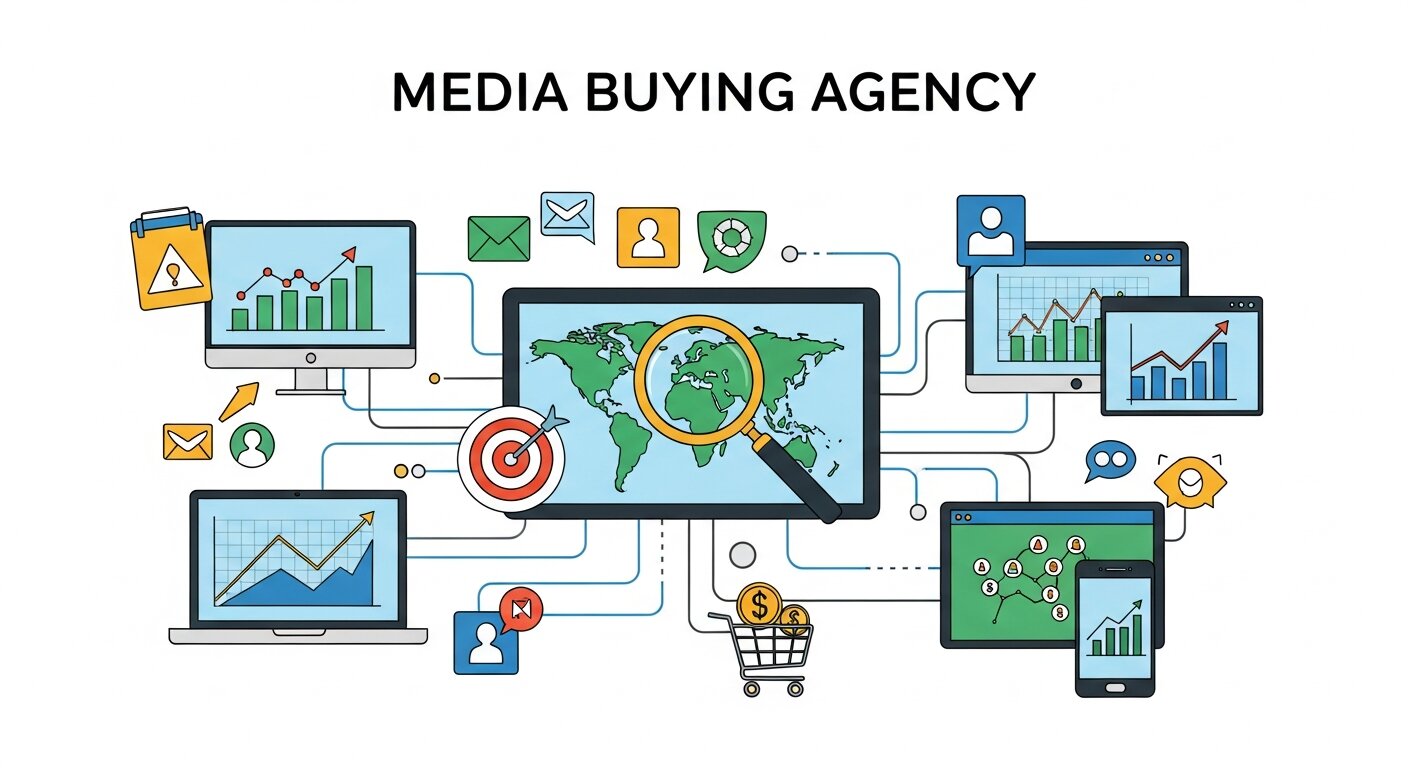 Handling ad placements internally might seem like a way to save money upfront. However, the hidden costs of inexperienced media purchasing often outweigh the initial savings. Using dedicated media buying services offers several distinct advantages.
Access to Industry Expertise and Relationships
Media buyers spend their entire careers building relationships with publishers, network executives, and platform managers. These connections often lead to discounted rates, priority placements, and access to premium inventory that is entirely unavailable to the general public. An established agency already knows the landscape and can bypass the steep learning curve required to negotiate effectively.
Cost Efficiency and Better ROI
A professional media buyer knows exactly what a specific ad slot is actually worth. They understand pricing models like Cost Per Mille (CPM), Cost Per Click (CPC), and Cost Per Acquisition (CPA). By negotiating aggressively and analyzing historical data, they prevent your business from overpaying. They stretch your budget further, allowing you to run campaigns longer or across more channels.
Advanced Analytics and Optimization
Launching a campaign is just the beginning. The real value of professional media buying services lies in continuous optimization. Experts monitor your campaign’s performance daily. If a specific digital ad is underperforming, they will reallocate those funds to a channel that is generating higher conversions. This agile approach ensures your marketing budget is always working efficiently.
How the Media Buying Process Works
Successful media buying relies on a systematic, heavily researched approach. While every agency has its own specific methodology, the process generally follows four distinct phases.
Strategy and Planning
Before spending a single dollar, media buyers work closely with you to understand your overarching business goals. They need to know what you want to achieve, whether that is brand awareness, lead generation, or direct sales. During this phase, the team establishes your total budget, key performance indicators (KPIs), and the general timeline for the campaign.
Identifying the Target Audience
You cannot buy the right ad space if you do not know who you are trying to reach. Media buyers conduct extensive market research to build detailed buyer personas. They analyze demographic data, behavioral patterns, and psychographic traits. If your target audience consists of young professionals, the buyer might focus on LinkedIn and streaming audio. If you are targeting retirees, they might pivot to daytime television and specific print publications.
Negotiation and Purchasing
Once the strategy is set and the audience is defined, the buyer approaches the selected media outlets. This is where their negotiation skills shine. They request proposals, compare rates, and leverage their industry connections to secure the best possible pricing. After the terms are agreed upon, they finalize the contracts and secure the ad placements.
Campaign Launch and Monitoring
The advertisement goes live, but the work is far from over. Media buyers track the campaign using advanced analytics software. They look at impressions, click-through rates, and conversion metrics. By reviewing this data, they can make real-time adjustments. If they notice that an ad performs exceptionally well on Tuesday mornings, they will shift the budget to capitalize on that specific time slot.
Types of Media Buying Channels
A robust media buying strategy often includes a mix of different channels. Diversifying your approach ensures you capture your audience’s attention at various touchpoints throughout their day.
Traditional Media
Traditional advertising still holds immense power, particularly for local businesses or brands seeking massive, broad-based awareness.
- Television: Offers high visibility and builds immense brand trust.
- Radio: Excellent for local targeting and frequency.
- Print: Magazines and newspapers provide niche targeting and long shelf-life.
Digital Media
Digital platforms offer unparalleled targeting capabilities and real-time performance tracking.
- Programmatic Advertising: Uses artificial intelligence to automatically buy digital ad space in milliseconds.
- Social Media: Platforms like Facebook, Instagram, and LinkedIn allow for highly specific demographic targeting.
- Search Engine Marketing (SEM): Captures users who are actively searching for your products or services.
Out-of-Home (OOH) Advertising
OOH catches consumers while they are commuting, shopping, or traveling.
- Billboards: Both traditional and digital displays on major highways.
- Transit Ads: Placements on buses, trains, and subway stations.
- Point of Sale: Advertising located near checkout registers to encourage impulse purchases.
Why SanMo US is Your Ideal Media Buying Partner
Finding the right agency is critical to your advertising success. SanMo US specializes in providing top-tier media buying services tailored to your specific business objectives. We do not believe in a one-size-fits-all approach. Instead, we take the time to understand your brand, analyze your target market, and build a customized media plan.
Our team combines years of industry experience with cutting-edge analytics technology. We leverage our extensive network of publishers and media outlets to secure premium placements at competitive rates. Whether you are looking to launch a nationwide television campaign or a hyper-targeted programmatic digital strategy, SanMo US has the expertise to guide your business toward measurable growth.
The Importance of Data-Driven Advertising Decisions
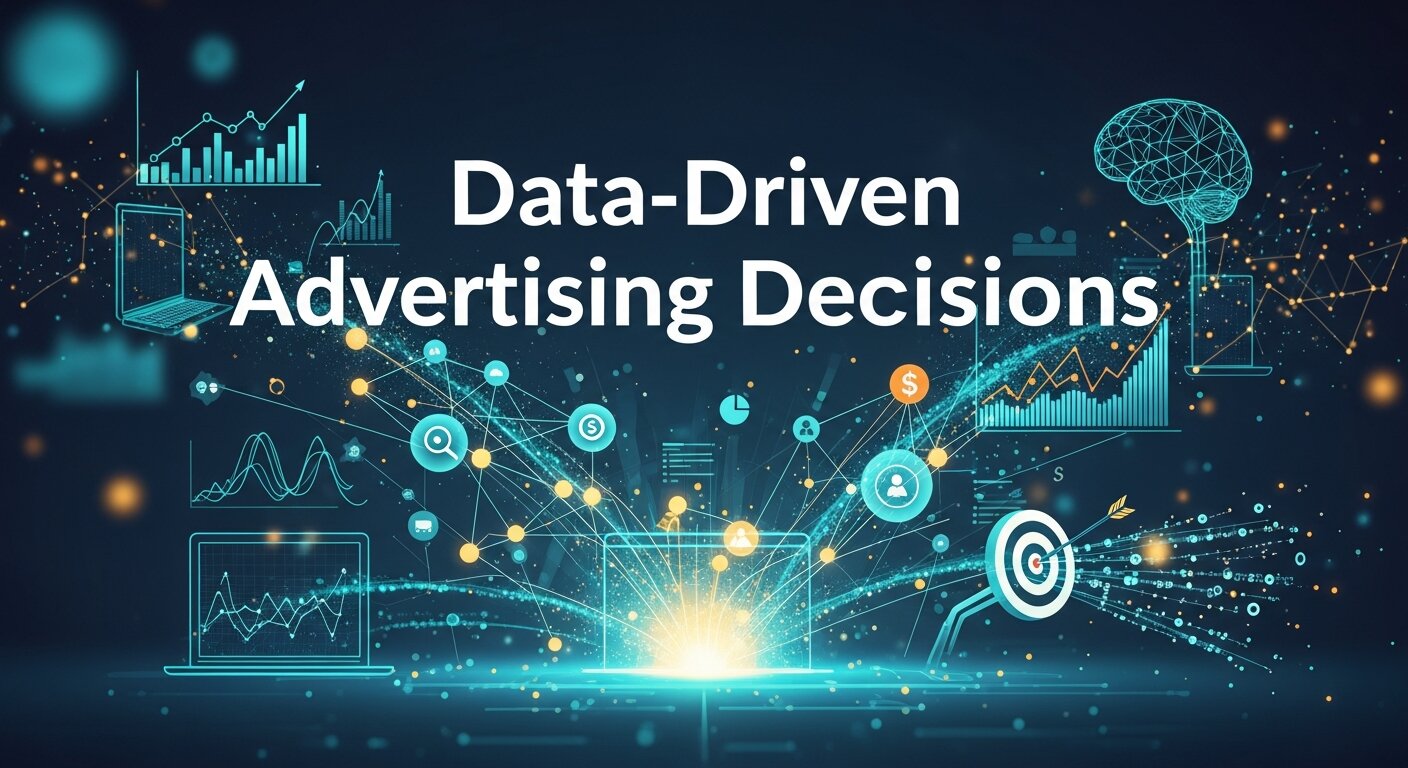 Modern advertising is no longer based on guesswork alone. Businesses that rely on accurate performance data consistently achieve better campaign outcomes than those using assumptions. Professional media buying services use advanced analytics tools to track customer behavior, engagement rates, and conversion patterns across multiple platforms. These insights help marketers determine which advertisements are performing well and which ones require adjustments. Instead of wasting money on ineffective placements, businesses can focus their budget on channels that produce measurable results. Data-driven decision-making also allows companies to predict future trends, optimize campaign timing, and improve audience targeting. This strategic approach leads to stronger brand visibility, improved customer engagement, and significantly higher returns on advertising investments over time.
Common Challenges Businesses Face Without Media Buying Services
Many businesses struggle to manage advertising campaigns effectively without professional support. One of the biggest challenges is selecting the right platforms for reaching the intended audience. Companies often spend large portions of their budget on channels that fail to deliver quality traffic or conversions. Another issue involves poor negotiation with publishers and advertising platforms, resulting in higher advertising costs. Businesses may also lack the tools needed to analyze campaign performance accurately. Without continuous optimization, campaigns can quickly become inefficient and expensive. Additionally, managing multiple advertising platforms simultaneously requires significant time and expertise. Professional media buying services solve these issues by streamlining campaign management, improving targeting accuracy, and ensuring every advertising dollar contributes toward business growth and marketing success.
How Programmatic Advertising Is Changing Media Buying
 Programmatic advertising has transformed the way businesses purchase digital advertising space. Instead of manually negotiating and purchasing ad placements, automated systems now use artificial intelligence and real-time bidding technology to buy ad inventory instantly. This process allows advertisers to target highly specific audiences based on demographics, interests, browsing behavior, and online activity. Programmatic advertising also improves efficiency by delivering ads to users who are most likely to engage with them. Media buying agencies use these technologies to optimize campaigns continuously and maximize conversion rates. Real-time data analysis enables advertisers to adjust bids, placements, and targeting strategies immediately for better performance. As digital advertising becomes increasingly competitive, programmatic media buying helps businesses remain agile, efficient, and highly competitive in the evolving online marketplace.
The Role of Creative Strategy in Successful Media Buying
Even the best media placement cannot deliver strong results without compelling creative content. Successful media buying depends heavily on advertisements that capture attention and motivate audiences to take action. Creative strategy involves designing visuals, headlines, videos, and messaging that resonate with the target audience while aligning with the brand identity. Media buyers often collaborate closely with creative teams to ensure advertisements match the platform and audience preferences. For example, short engaging videos may perform better on social media, while detailed informational content might work best in print or search advertising. Consistent branding across all advertising channels also strengthens customer trust and recognition. By combining strategic ad placement with powerful creative messaging, businesses can increase engagement, improve conversion rates, and build long-term customer loyalty more effectively.
Key Metrics Used to Measure Media Buying Success
Measuring campaign performance is essential for understanding whether an advertising strategy is delivering results. Professional media buying services rely on several important metrics to evaluate success. Impressions measure how many times an advertisement is displayed, while click-through rates reveal how many users interact with the ad. Conversion rates help determine how many users complete desired actions, such as purchases or form submissions. Return on ad spend (ROAS) is another critical metric that shows how much revenue is generated from advertising investments. Media buyers also monitor audience engagement, bounce rates, and customer acquisition costs to refine campaign strategies further. By continuously analyzing these performance indicators, businesses can make informed decisions, improve campaign efficiency, and allocate budgets more effectively to maximize overall marketing performance and long-term profitability.
Future Trends Shaping the Media Buying Industry
 The media buying industry continues to evolve rapidly as technology and consumer behavior change. Artificial intelligence and machine learning are becoming increasingly important for audience targeting, campaign automation, and predictive analytics. Privacy regulations and changes in third-party cookie tracking are also reshaping how advertisers collect and use customer data. Businesses are shifting toward first-party data strategies to maintain effective targeting while respecting user privacy. Streaming services, connected television, and digital audio platforms are creating new opportunities for advertisers to reach audiences outside traditional channels. Interactive advertising formats and personalized content are also gaining popularity as consumers demand more engaging experiences. Media buying agencies that stay ahead of these trends can help businesses adapt quickly, maintain competitive advantages, and achieve stronger advertising results in the future.
Frequently Asked Questions (FAQ)
What is the difference between media planning and media buying?
Media planning is the research and strategy phase. It involves figuring out who your audience is and what channels will reach them best. Media buying is the execution phase. It involves negotiating the rates, purchasing the ad space, and monitoring the campaign’s performance.
How much do media buying services typically cost?
Costs vary widely depending on your total advertising budget and the agency’s fee structure. Some agencies charge a flat monthly retainer, while others take a percentage of your total ad spend (usually between 10% and 20%).
Can small businesses benefit from media buying?
Absolutely. Small businesses often have tight marketing budgets, making efficiency crucial. A professional media buyer can help a small business stretch its budget further and compete more effectively against larger competitors by finding highly targeted, cost-effective ad placements.
How long does it take to see results from a media buying campaign?
The timeline depends entirely on the channels used and your campaign goals. Digital campaigns, like paid search or social media ads, can generate traffic and leads within hours. Traditional media campaigns, like television or print, often focus on long-term brand building and may take several weeks to show a measurable impact on sales.
Ready to Elevate Your Advertising Strategy?
Navigating the media landscape requires a blend of sharp negotiation skills, deep audience insights, and continuous data analysis. By utilizing professional media buying services, you eliminate the guesswork from your advertising budget. You ensure your message reaches the right audience, driving tangible results and sustainable business growth.
If you want to stop wasting money on ineffective ad placements, it is time to bring in the experts. Reach out to the team at SanMo US today to discuss your marketing goals and discover how a strategic media buying plan can transform your business.