Launching a startup requires extreme resourcefulness. You have a brilliant product and a clear target audience, but capturing attention often feels impossible when competing against established brands with massive advertising budgets. Traditional paid channels quickly drain your limited funds, leaving you searching for more effective ways to generate traction. This is exactly where influencer marketing services step in to level the playing field.
Partnering with creators allows early-stage companies to borrow credibility and tap into highly engaged communities. You do not need a million-dollar ad spend to see results. By being strategic, startups can leverage creator partnerships to drive authentic brand awareness and tangible sales. Here at the Bodytypen.de blog, we constantly explore ways to optimize your growth, and leveraging the right partnerships is a massive part of that equation.
This comprehensive guide will walk you through everything you need to know about navigating influencer marketing services on a strict budget. From identifying the perfect micro-influencers to crafting performance-based compensation models, you will learn how to stretch every dollar. We will also look at how forward-thinking companies like SanMo US approach these strategies to maximize their return on investment.
Defining Your Startup’s Goals: Awareness vs. Conversions
Before reaching out to a single creator, you must establish exactly what you want to achieve. A campaign built for brand awareness looks vastly different from one designed to drive immediate sales.
Brand awareness campaigns focus on getting your product in front of as many relevant eyeballs as possible. The metrics for success here include reach, impressions, video views, and social media followers gained. For a new brand, just getting people to recognize your logo and understand your value proposition is a significant win. Influencer marketing services can help you identify creators whose aesthetic aligns perfectly with your brand identity, ensuring your initial introduction to the market is visually striking and memorable.
Direct conversion campaigns, on the other hand, are strictly about driving revenue or user acquisitions. The focus shifts to click-through rates, cost per acquisition (CPA), and total sales generated. When optimizing for conversions, you need creators who have a proven track record of prompting their audience to take action. Their content must include clear calls-to-action, swipe-up links, or dedicated promo codes. Startups operating on tight budgets often lean toward conversion-focused goals to ensure immediate cash flow, but a healthy mix of both strategies usually yields the best long-term results.
Locating High-Engagement Micro and Nano-Influencers
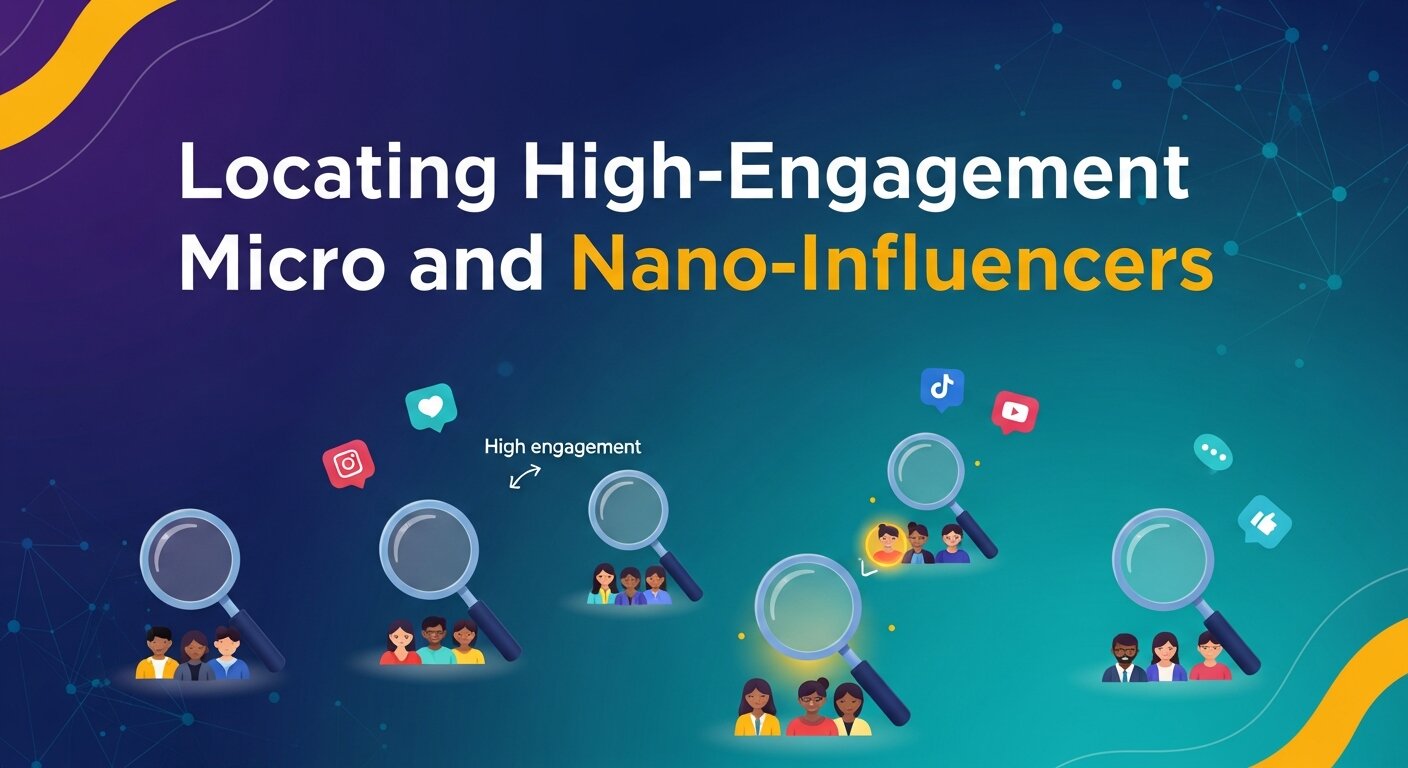 The biggest mistake early-stage startups make is chasing massive follower counts. Celebrities and macro-influencers charge exorbitant fees and often suffer from heavily diluted engagement rates. Instead, your budget is much better spent on micro-influencers (10,000 to 50,000 followers) and nano-influencers (1,000 to 10,000 followers).
These smaller creators typically boast highly dedicated audiences. Their followers view them as trusted peers or niche experts rather than untouchable celebrities. When a nano-influencer recommends a product, it feels like advice from a close friend.
To find these valuable partners without paying for expensive influencer marketing services and discovery platforms, start by manually searching relevant hashtags on Instagram and TikTok. Look at who is already engaging with brands similar to yours. Pay close attention to the comment sections. Are followers asking genuine questions about the products featured, or are they just leaving generic emojis? High-quality engagement is a strong indicator that the creator has genuine influence over their audience’s purchasing decisions.
Creative Compensation: Moving Beyond Flat Fees
Startups rarely have the cash reserves to hand out massive flat fees for sponsored posts. Fortunately, many creators are open to alternative compensation models, especially if they genuinely love your product.
Product Seeding and Gifting
The most cost-effective way to initiate a partnership is through product gifting. You send the creator a high-value item with no strict deliverables attached. If the product solves a real problem for them, they are highly likely to share it with their audience organically. To increase your success rate, personalize the packaging and include a handwritten note explaining why you specifically chose them for your outreach.
Affiliate Marketing and Rev-Share
Performance-based compensation protects your budget while incentivizing the creator to drive real results. Provide the influencer with a unique tracking link or promo code. For every sale generated through their specific channel, they earn a predetermined commission percentage. This aligns your goals perfectly; the creator only gets paid when your startup makes money.
Hybrid Models
Many professional influencers require some form of guaranteed payment to cover their production time. A hybrid model offers a small upfront fee combined with an affiliate commission on the back end. This shows respect for the creator’s labor while still minimizing your financial risk. Companies like SanMo US often utilize these hybrid models to secure top-tier niche talent without overextending their initial marketing budgets.
Fostering Long-Term Relationships with Creators
 Treating influencer marketing as a series of one-off transactions is highly inefficient. The true value of influencer marketing services comes from building long-term, mutually beneficial relationships with content creators.
When a creator features your product multiple times over several months, their audience begins to recognize your brand as a staple in their routine. The repetition builds immense trust. To foster these long-term partnerships, treat your influencers like an extension of your own team. Keep them updated on upcoming product launches, ask for their feedback on new features, and share their content across your brand’s official channels.
When creators feel valued and respected, they are often willing to negotiate better rates for bulk content creation or long-term ambassadorships. They become genuine advocates for your startup, which resonates powerfully with their followers.
Measuring ROI: Tracking Tools for Budget-Conscious Brands
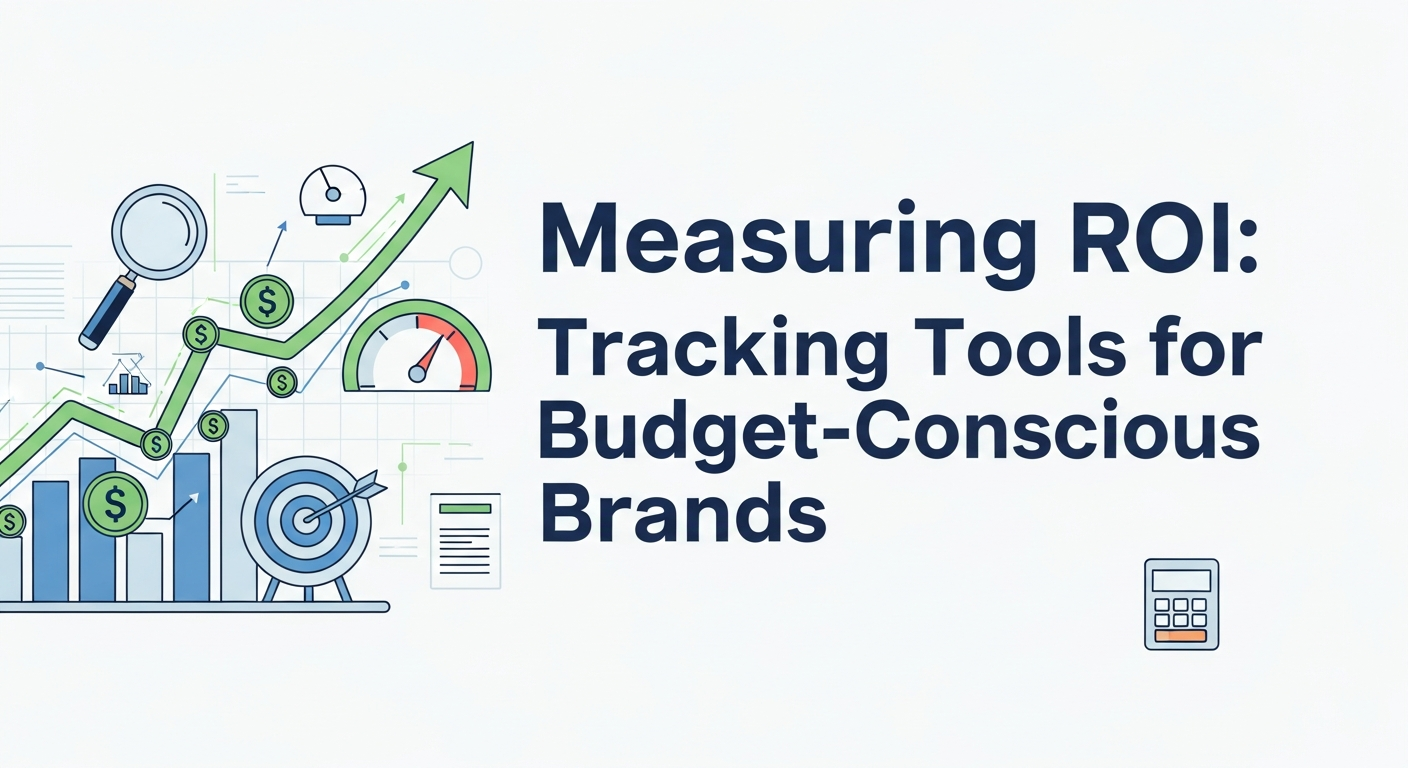 Every dollar spent must be accounted for. Measuring the return on investment (ROI) is critical for refining your strategy and justifying future marketing expenditures.
Start by assigning distinct UTM parameters to every single link you provide to an influencer. This allows you to track exactly how much website traffic and how many specific conversions came from a particular creator’s post using Google Analytics.
Custom promo codes are another highly effective tracking method. If an influencer’s audience prefers to shop on a desktop later rather than clicking a mobile link immediately, a unique discount code ensures that the creator still receives credit for the sale.
Monitor your key performance indicators (KPIs) religiously. Calculate the cost per engagement (CPE) and cost per acquisition (CPA) for every creator you partner with. Double down on the partnerships that drive the lowest CPAs, and gracefully pivot away from the ones that fail to convert.
Case Studies: Low-Cost Campaigns that Delivered
 Looking at real-world applications helps solidify these strategies. While we respect the confidentiality of specific startup metrics, analyzing generalized campaign structures reveals exactly how these tactics work in practice.
Consider a recent initiative from SanMo US. They needed to promote a new software tool specifically designed for freelance designers. Instead of spending ten thousand dollars on a massive tech publication ad, they utilized targeted influencer marketing services to identify twenty nano-influencers within the specific niche of freelance graphic design.
SanMo US offered a hybrid compensation model: a free lifetime subscription to their premium software tier, plus a thirty percent recurring commission on any new sign-ups generated through their links. Because the tool genuinely improved the creators’ daily workflows, the resulting content was highly authentic and deeply educational. The startup acquired hundreds of new paying users at a fraction of the cost of traditional paid search campaigns.
Another example involves a direct-to-consumer skincare startup. They utilized product seeding, sending beautifully packaged kits to fifty micro-influencers known for their honest acne-treatment reviews. They did not demand any specific posts. However, thirty of the creators voluntarily posted Instagram Stories detailing their positive experiences with the products. This organic wave of user-generated content provided the startup with valuable social proof they could later repurpose for their own paid ads, significantly lowering their overall customer acquisition costs.
Frequently Asked Questions (FAQ)
What are influencer marketing services?
Influencer marketing services refer to platforms, agencies, or software tools that help brands discover, manage, and track campaigns with content creators. They streamline the process of finding the right partners and measuring the resulting return on investment.
How much should a startup budget for influencer marketing?
There is no minimum requirement. Startups can begin with just the cost of goods sold (COGS) for product gifting. As revenue grows, dedicating $1,000 to $5,000 a month for hybrid or affiliate campaigns is a solid starting point for early-stage companies.
Are micro-influencers really better than celebrities?
For startups, yes. Micro-influencers have highly engaged, niche audiences that trust their recommendations. They are significantly more affordable and often yield higher conversion rates than massive celebrity accounts with broad, unsegmented followings.
How do I approach an influencer for the first time?
Keep your initial outreach concise and personalized. Mention a specific piece of their recent content that you enjoyed, explain why your brand aligns with their values, and clearly state what you are offering (e.g., product gifting or an affiliate partnership).
Should startups use agencies or manage campaigns in-house?
Agencies save time but cost more. For highly budget-conscious startups, managing campaigns in-house using basic software tools and spreadsheets is usually the best approach until the marketing budget scales up.
What is a good engagement rate for a creator?
An engagement rate between 2% and 5% is generally considered good. Anything above 5% is excellent and indicates a highly active and loyal audience.
Do I need a formal contract for product gifting?
If you are strictly sending a gift with no obligations, a contract is not required. However, if you expect specific deliverables (like one reel and two stories), you must use a formal agreement outlining the expectations and content usage rights.
How long does it take to see results from an influencer campaign?
Brand awareness spikes immediately after a post goes live. However, direct conversions may take a few weeks as consumers research your brand and wait for their next paycheck. Give your campaigns at least 30 to 60 days before judging their final ROI.
Can B2B startups use influencer marketing?
Absolutely. B2B startups can partner with industry thought leaders, podcast hosts, and LinkedIn creators to reach decision-makers. The approach focuses more on educational content and whitepaper downloads rather than direct product sales.
How does SanMo US utilize influencer strategies?
SanMo US focuses on highly targeted, niche creators rather than broad lifestyle accounts. They utilize hybrid compensation models and strict performance tracking to ensure every marketing dollar drives measurable growth for their business objectives.
Actionable Steps for Launching Your Startup’s Campaign
Transitioning from theory to execution requires a structured approach. Start by explicitly defining your campaign goals and identifying your ideal customer profile. You cannot find the right influencer if you do not know exactly who you are trying to reach.
Next, dedicate a few hours this week to manual discovery. Search social media platforms for creators who already speak to your target demographic. Build a spreadsheet tracking their handles, follower counts, estimated engagement rates, and contact information.
Once you have a list of fifty potential partners, draft a personalized, compelling outreach email. Focus on the mutual value of the partnership rather than just what they can do for your startup. Propose a performance-based or product-seeding arrangement to protect your capital.
Finally, ensure your tracking infrastructure is fully operational before a single post goes live. Generate your UTM links and custom promo codes. By taking these methodical steps, you will successfully leverage influencer marketing services to scale your startup responsibly and sustainably.