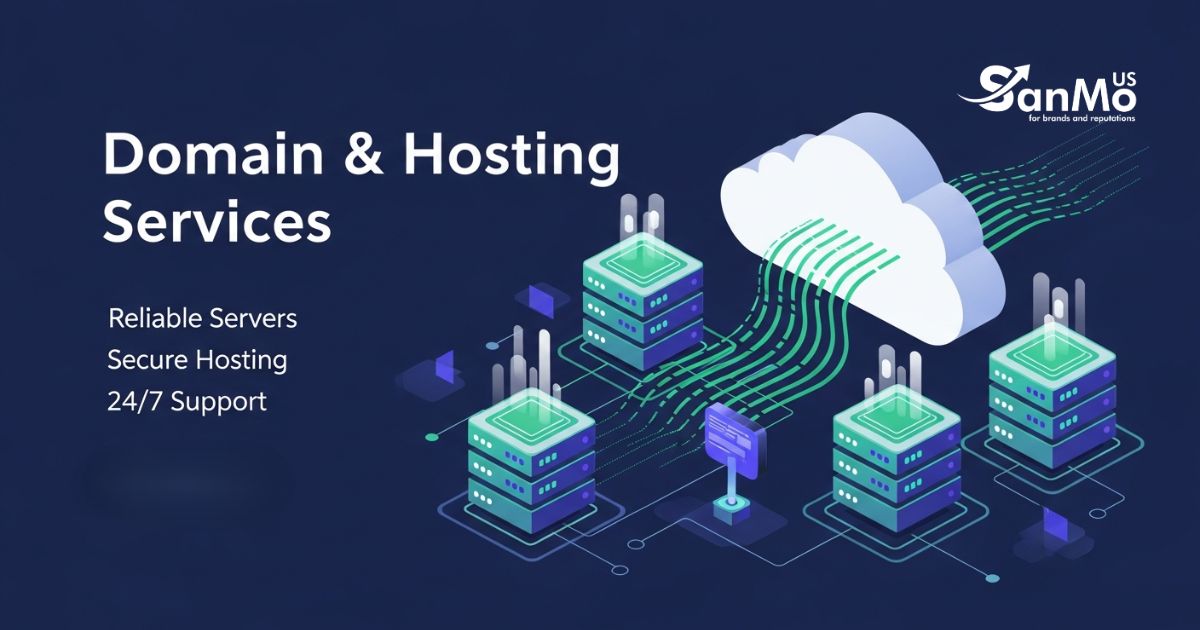

Every successful website begins with a solid foundation. You need a recognizable name and a reliable place to store your digital files. Getting this foundation right dictates how well your site performs under pressure. It also determines how effectively you protect sensitive visitor data.
Choosing secure and scalable domain & hosting services gives you total peace of mind as your online presence grows. Many website owners make the mistake of picking the cheapest available option when starting out. They soon realize that slow load times and frequent crashes cost them valuable traffic and revenue.
Finding the right provider involves looking closely at performance metrics, security features, and room for growth. A provider might offer great prices, but if they lack proper encryption or scaling capabilities, your site will eventually suffer. This guide breaks down exactly what you need to look for when evaluating domain & hosting services, helping you build a resilient and high-performing website.
Understanding the Core Components
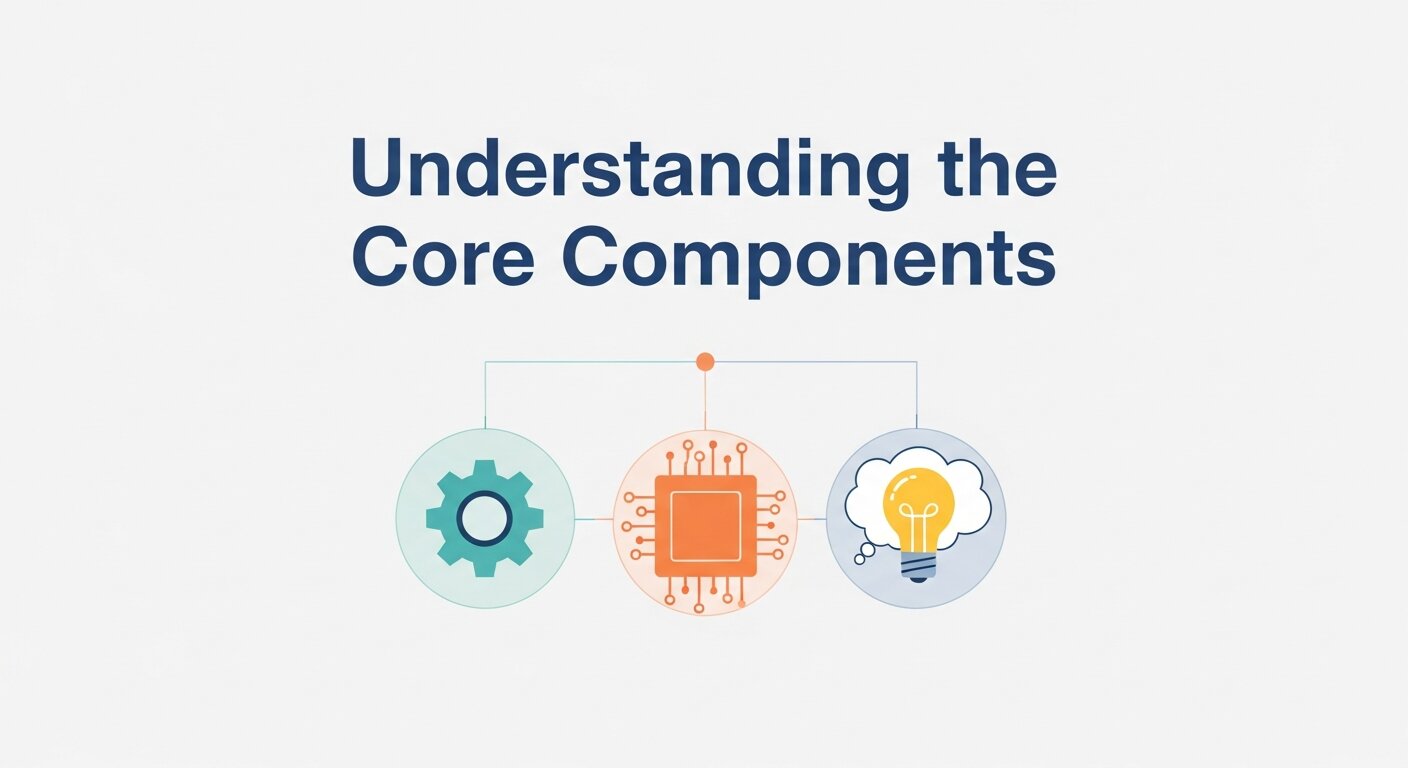 Before looking at specific features, it helps to understand exactly what you are purchasing. Domain registration and web hosting represent two distinct elements that work closely together to keep your site online.
Decoding Domain Names
Your domain is your digital address. When users type a specific URL into their browser, they are using your domain name to locate your server. A good domain name should be memorable, easy to spell, and closely tied to your brand identity. You register this name through a domain registrar for a set period, usually renewing it annually.
Exploring Web Hosting
Web hosting acts as the physical real estate for your website. When you buy a hosting plan, you rent space on a physical server to store your HTML files, images, videos, and databases. The hosting provider maintains this server, keeping it running continuously so visitors can access your site at any hour. The quality of this server directly impacts your site’s speed, uptime, and overall reliability.
Prioritizing Security Features
Cyber threats remain a constant concern for website owners of all sizes. Hackers routinely target sites to steal data, hijack server resources, or disrupt operations. Secure domain & hosting services implement multiple layers of defense to block these attacks.
SSL Certificates and Encryption
Secure Sockets Layer (SSL) certificates encrypt the data passing between your website and your visitors. This encryption prevents unauthorized parties from intercepting sensitive information like passwords and credit card numbers. Search engines actively penalize sites lacking SSL certificates, displaying a prominent “Not Secure” warning to users. Always choose a hosting provider that includes free SSL certificates and automatically renews them.
Automated Backups
Even with robust security measures, data loss can occur due to human error or unexpected hardware failures. Automated backup systems take regular snapshots of your entire website. If something goes wrong, you can restore your site to a previous working state with a single click. High-quality hosting plans offer daily backups stored on off-site servers for maximum protection.
Malware Scanning and DDoS Protection
Malicious software can infiltrate your site silently, causing massive damage before you even notice. Look for hosting providers that run proactive malware scans and offer automated removal tools. Additionally, Distributed Denial of Service (DDoS) protection is critical. DDoS attacks flood your server with fake traffic, overwhelming your resources and taking your site offline. Advanced hosting services route this malicious traffic away, keeping your site accessible to genuine visitors.
The Importance of Scalability
A successful website will naturally attract more traffic over time. Your hosting environment must handle this growth smoothly. Scalability refers to your hosting plan’s ability to adapt to increased demand without causing performance hiccups.
Managing Traffic Spikes
A sudden surge in visitors can crash a server lacking adequate resources. This often happens after a successful marketing campaign or a viral social media post. Scalable domain & hosting services allow you to temporarily boost your server limits to accommodate these spikes. Once the traffic subsides, you can scale back down to your standard resource allocation.
Upgrading Storage and Bandwidth
As you add more content, high-resolution images, and videos to your site, your storage requirements will increase. Bandwidth dictates how much data your server can transfer to visitors over a given month. A scalable hosting provider makes it simple to upgrade your storage space and bandwidth limits. You should be able to transition from a basic shared hosting plan to a Virtual Private Server (VPS) or dedicated server seamlessly, without experiencing any downtime.
Specialized Hosting Environments
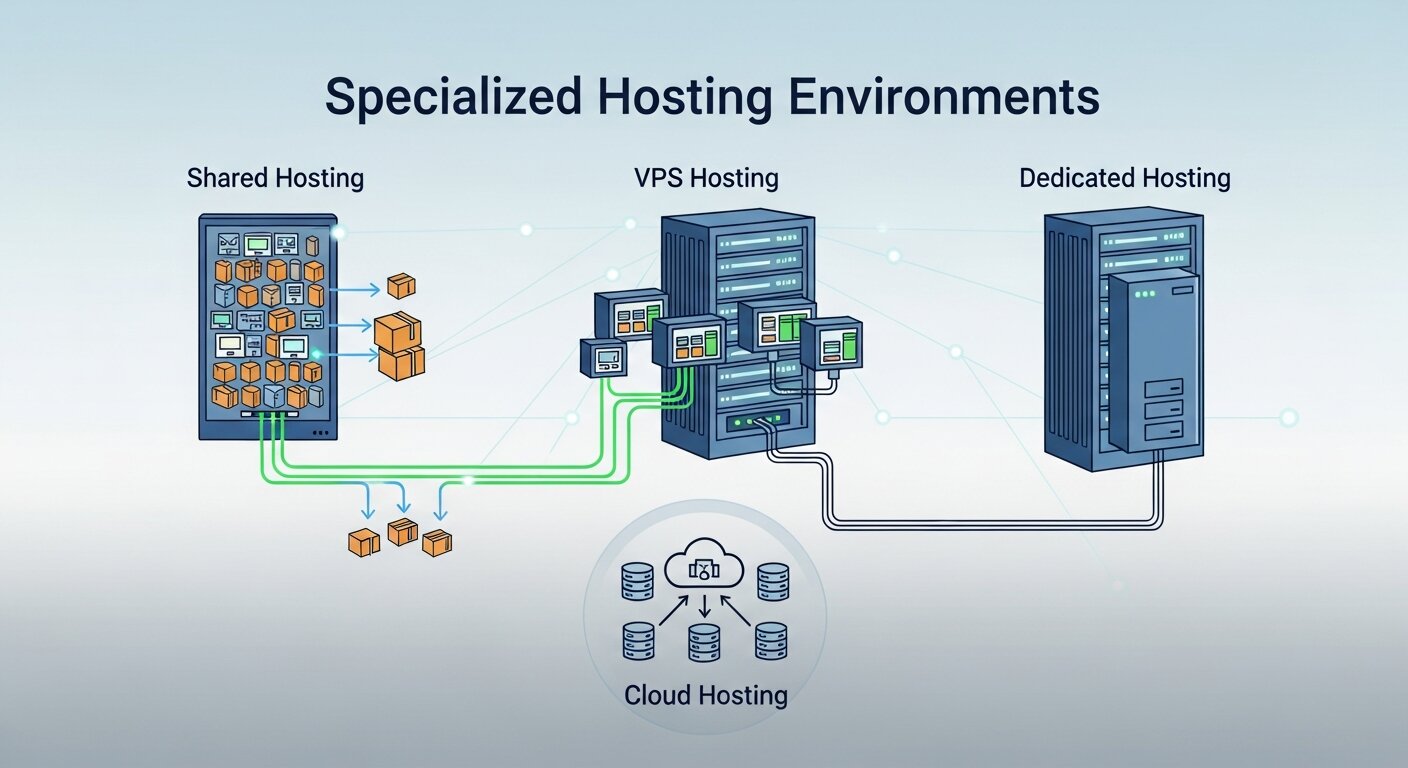 General hosting plans work well for standard websites, but specific projects often benefit from specialized environments. Tailoring your hosting to your exact use case guarantees optimal performance.
BDIX Shared Hosting
Website owners targeting audiences in specific regions often face unique latency challenges. BDIX shared hosting provides a distinct advantage for sites operating within Bangladesh. BDIX (Bangladesh Internet Exchange) connects local Internet Service Providers directly. When you use BDIX shared hosting, local visitors bypass international routing. This direct connection drastically reduces page load times and provides a smoother browsing experience for regional users.
Newsportal Hosting
Running a digital publication requires a unique server configuration. News sites publish dozens of articles daily, host heavy multimedia files, and experience unpredictable traffic patterns based on breaking news. Newsportal hosting is engineered specifically for these demands. These plans feature aggressive caching mechanisms, high-performance databases, and isolated server environments to ensure articles load instantly, even when thousands of users click a breaking headline simultaneously.
Step-by-Step Guide to Choosing Your Provider
Selecting the right provider requires a methodical approach. Follow these steps to evaluate your options thoroughly.
Step 1: Assess Your Specific Needs
Calculate your expected monthly traffic and determine what kind of media you will host. An online store processing hundreds of transactions requires different resources than a local bakery displaying a simple menu. Identify any special requirements, such as BDIX shared hosting for a local audience or newsportal hosting for a high-volume blog.
Step 2: Review Uptime Guarantees
Uptime measures the percentage of time your website remains accessible. A reliable host should guarantee at least 99.9% uptime. Check independent review sites to verify that the provider actually meets these claims. Every minute your site is down costs you credibility and potential sales.
Step 3: Test Customer Support
Technical issues often arise at inconvenient times. You need a support team available 24/7 through live chat, phone, and ticketing systems. Before committing to a plan, reach out to the sales team with a technical question. Their response time and technical knowledge will give you a clear picture of the support quality you can expect later.
Comparing Different Types of Hosting Plans
Every website has unique performance requirements, which is why hosting providers offer several hosting categories. Shared hosting works well for beginners and small websites because it is affordable and easy to manage. However, websites with growing traffic often require VPS hosting for dedicated resources and improved stability. Dedicated servers provide complete control and maximum performance, making them ideal for large-scale businesses and enterprise-level platforms. Cloud hosting adds another layer of flexibility because resources can expand instantly when traffic increases. Understanding the strengths and limitations of each hosting type helps website owners avoid future migration problems. Choosing the right hosting environment from the beginning ensures better speed, reliability, and long-term scalability for your online project.
Why Website Speed Directly Impacts SEO
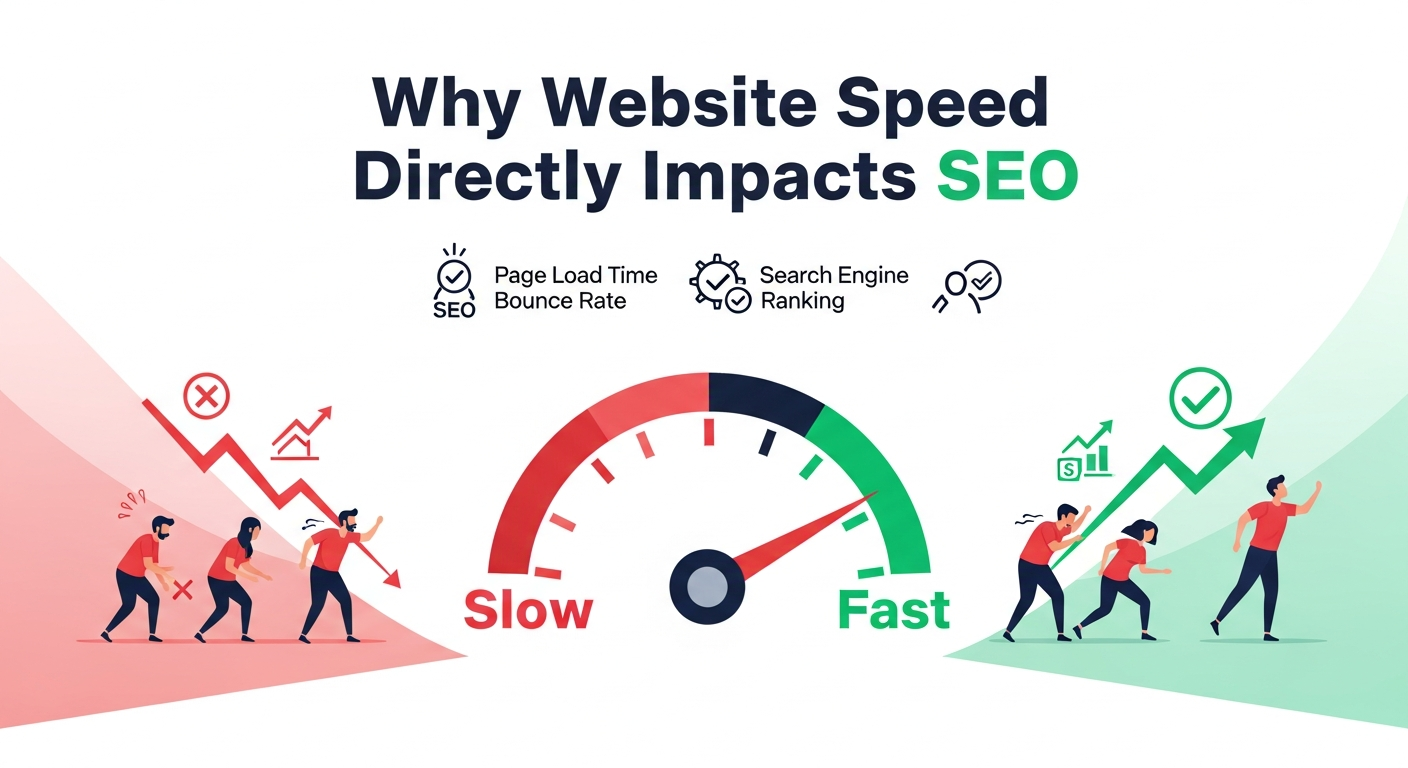 Website loading speed affects both user satisfaction and search engine rankings. Visitors expect pages to load within seconds, and delays often cause them to leave before interacting with your content. Search engines also prioritize faster websites because they provide a better browsing experience. Quality domain & hosting services use SSD storage, advanced caching systems, and optimized server configurations to improve performance. Faster websites experience lower bounce rates and higher engagement levels, which can positively influence SEO rankings. Mobile users especially benefit from optimized hosting because slower connections amplify delays. Investing in high-performance hosting creates a smoother user experience while helping your site compete more effectively in search engine results pages against slower competitors.
The Role of Customer Support in Hosting Services
Reliable customer support becomes extremely important when technical problems occur unexpectedly. A website outage during business hours can damage customer trust and reduce sales opportunities. Quality hosting providers maintain skilled support teams available around the clock through live chat, phone, and email systems. Experienced support agents can quickly resolve server issues, security concerns, and domain configuration problems before they escalate. Fast support response times also reduce downtime, which protects both user experience and search engine rankings. Many premium hosting providers include dedicated account managers or priority support for business clients. Choosing a hosting company with excellent customer service gives website owners confidence that professional assistance is always available whenever urgent technical challenges arise.
Understanding the Importance of Domain Privacy Protection
When you register a domain name, your personal information often becomes publicly visible in the WHOIS database. This exposure can lead to spam emails, scam calls, and unwanted marketing messages. Domain privacy protection hides your sensitive registration details and replaces them with generic provider information. This extra security layer protects your identity while reducing the risk of phishing attacks and domain-related fraud. Many reliable domain & hosting services include domain privacy protection for free within their packages. Business owners especially benefit from this feature because it helps maintain professionalism and safeguards important contact information. Adding privacy protection is a simple but effective way to strengthen your website’s overall digital security strategy.
How Managed Hosting Simplifies Website Management
Managing a server requires technical expertise that many website owners do not possess. Managed hosting services remove this burden by handling server maintenance, software updates, security patches, and performance optimization automatically. This allows businesses to focus entirely on content creation, marketing, and customer engagement instead of dealing with backend technical issues. Managed hosting providers also monitor servers continuously to identify vulnerabilities and resolve problems before they affect performance. For WordPress websites, managed hosting environments often include automatic plugin updates, advanced caching, and specialized security tools. Although managed hosting plans cost more than standard options, they save valuable time and reduce the risk of costly technical mistakes that could negatively impact website functionality.
The Benefits of Choosing Local Hosting Providers
Local hosting providers can offer significant advantages for businesses targeting regional audiences. Hosting your website closer to your visitors reduces latency and improves page loading speed. In Bangladesh, providers offering BDIX shared hosting create faster local connections because traffic remains within the country’s internet exchange network. This setup delivers smoother browsing experiences for local users while reducing buffering and loading delays. Local hosting companies may also provide better customer support in your native language and understand regional business requirements more effectively. Additionally, local payment systems and easier communication make account management more convenient. Businesses focused on regional growth often achieve stronger website performance and improved customer satisfaction by choosing locally optimized hosting solutions.
Preparing Your Website for Future Growth
 A website that succeeds today may outgrow its current hosting environment tomorrow. Preparing for future expansion helps you avoid sudden performance issues and costly migrations later. Scalable hosting solutions allow you to increase storage, bandwidth, and server power as traffic rises. Flexible hosting providers make it easy to upgrade plans without causing downtime or data loss. Businesses planning to add eCommerce functionality, multimedia content, or international audiences should prioritize long-term scalability from the beginning. Growth-ready hosting environments also support advanced technologies such as cloud integration, CDN services, and automated scaling systems. Investing in a scalable infrastructure ensures your website remains stable, secure, and responsive even as your online presence continues to expand rapidly.
Frequently Asked Questions
Can I buy my domain and hosting from different companies?
Yes, you can register your domain with one company and purchase hosting from another. You simply need to update your domain’s DNS settings to point to your hosting server. However, keeping both domain & hosting services with a single provider often simplifies billing and technical support.
How do I know when it is time to upgrade my hosting plan?
Watch your site’s performance metrics carefully. If your pages take longer than three seconds to load, or if you regularly receive “503 Service Unavailable” errors during peak hours, your current plan lacks sufficient resources. A sudden drop in site speed usually indicates you need to scale up your storage or RAM.
What is the difference between shared hosting and VPS?
Shared hosting places your website on a server alongside hundreds of other sites, meaning you share CPU and memory resources. A Virtual Private Server (VPS) also shares a physical machine, but it partitions the resources so you have a dedicated amount of power that no other site can consume. VPS offers far better stability and speed for growing sites.
Finalizing Your Digital Foundation
Building a successful online presence demands a reliable technical infrastructure. By prioritizing advanced security protocols and seamless scalability, you protect your hard work from cyber threats and performance bottlenecks. Take the time to evaluate your specific needs, compare provider features, and consider specialized options like newsportal hosting if your project requires it.
Start researching top-tier providers today. Test their customer support, review their uptime guarantees, and choose a plan that will comfortably support your website’s growth for years to come.