
Video content currently dominates internet traffic, consuming a massive share of everyday bandwidth. Brands spend countless hours and resources producing high-quality footage, expecting a flood of views and conversions. However, simply uploading a great video to your website or a hosting platform guarantees absolutely nothing. Without a technical framework pushing that content to the right audience, your investment remains hidden in the depths of search engine results pages.
This reality has forced marketers to look past basic optimization tactics. Slapping a keyword into a video title and adding a few generic tags used to be enough to gain traction. Now, search algorithms are incredibly sophisticated. They analyze behavioral patterns, read technical markup, and process audio tracks to understand exactly what a video is about and whether it provides genuine value to a searcher.
Understanding how algorithms evaluate this media requires looking at the technical foundation of search. Search engines cannot “watch” a video the way a human does. They rely on a complex web of code, context, and user signals to determine relevance. When you master these elements, you unlock a highly effective channel for organic growth.
At SanMo US, we have spent years analyzing these exact algorithmic preferences. We know that achieving high rankings for multimedia content requires a scientific approach. By implementing advanced video SEO techniques, companies can systematically improve their visibility, drive qualified traffic, and achieve measurable returns on their production budgets.
Understanding Advanced Video SEO
Advanced video SEO goes far beyond basic keyword research. It involves the strategic alignment of technical website architecture, content context, and user experience metrics. The goal is to translate visual and audio content into a language that search engine crawlers can easily parse, index, and rank.
Moving Past Titles and Descriptions
Most creators stop optimizing after writing a catchy title and a brief description. While these elements are important, they only scratch the surface. True optimization requires you to provide search engines with a comprehensive roadmap of your content. Algorithms look for deep context. They want to know the specific entities mentioned in your video, the exact moments when key topics are discussed, and how the video relates to the rest of the text on your web page.
The Role of Artificial Intelligence in Video Search
Google and other search engines utilize machine learning models to analyze multimedia. These systems can automatically generate captions, identify faces, and recognize objects within the frame. When your optimization strategy aligns with these AI capabilities, you create a powerful synergy. By feeding the AI exactly what it needs through structured data and clear audio tracks, you reduce the computational guesswork required to categorize your content.
The Core Pillars of Video Search Visibility
 Achieving consistent rankings requires a multi-layered approach. You must address the technical health of your website, the specific markup associated with your video file, and the surrounding textual context.
Structured Data and Video Schema Markup
If there is a single technical element that defines advanced video SEO, it is schema markup. Specifically, the VideoObject schema provides search engines with explicit details about your file. This code sits in the backend of your webpage and highlights critical information.
Through schema, you can communicate the video’s exact duration, upload date, thumbnail URL, and publisher details. More importantly, schema allows you to define “Key Moments” or chapters. By marking up specific timestamps with descriptive labels, you enable search engines to display your video directly in search results with a specialized timeline. Users can jump straight to the exact information they need, drastically improving their search experience and increasing the likelihood that search engines will favor your content.
Transcripts and Closed Captions
Audio accessibility directly influences search visibility. Search engines can crawl text with incredible efficiency. When you provide a highly accurate, verbatim transcript of your video, you essentially give the crawler a massive text document full of natural, long-tail keywords.
Closed captions serve a dual purpose. They make your content accessible to the hearing impaired and those watching on mute, while also feeding keyword-rich text to search algorithms. Relying on auto-generated captions is often a mistake, as these systems frequently misinterpret industry-specific terminology. Uploading a custom, professionally edited SubRip Subtitle (SRT) file ensures that your targeted keywords are perfectly transcribed and indexed.
Page Context and Load Speed
A video does not exist in a vacuum. The webpage hosting the video plays a massive role in its SEO performance. The surrounding text, headings, and images must reinforce the topic of the video. If you embed a video about financial planning on a page dedicated to automotive repair, search engines will struggle to determine the page’s actual purpose.
Furthermore, embedding large media files can severely impact page load times. Core Web Vitals are a known ranking factor. If your video player slows down the rendering of your page, your overall search rankings will suffer. Utilizing lazy loading for video embeds and choosing a highly optimized hosting provider are critical steps in maintaining a fast, responsive website.
Leveraging User Behavioral Signals
Technical optimization gets your video indexed, but user behavior dictates where it ultimately ranks. Search engines closely monitor how people interact with your content after clicking a link.
Click-Through Rates and Custom Thumbnails
The thumbnail is the visual hook for your content. A generic, auto-selected freeze-frame rarely inspires action. Custom thumbnails that feature high-contrast colors, readable text overlays, and expressive human faces consistently generate higher click-through rates. When a search engine notices that users are clicking on your result more frequently than competing results, it receives a strong signal that your content is highly relevant to that specific search query.
Audience Retention and Watch Time
Getting a user to click is only the first step. You must keep them engaged. Audience retention graphs show exactly when viewers lose interest and navigate away. Search engines reward videos that hold attention for long periods.
Structuring your video to deliver value immediately is crucial. Eliminate long, animated intros and get straight to the point. By analyzing your retention data, you can identify which segments of your videos are the most engaging and replicate that formula in future productions. High watch times signal to algorithms that your video is satisfying the user’s search intent.
How SanMo US Elevates Your Strategy
Implementing these technical and analytical processes requires specialized knowledge. SanMo US partners with organizations to transform their video assets into powerful search engines drivers. We handle the complex technical architecture, from implementing error-free schema markup to optimizing page speed around media embeds.
Our team analyzes your audience’s search intent and ensures your video content directly answers their most pressing questions. By aligning your visual media with a data-backed SEO framework, SanMo US helps you secure prime real estate on search engine results pages, driving sustained organic growth.
Video Hosting Platforms and SEO Impact
 Choosing the right video hosting platform directly affects your SEO performance. While platforms like YouTube offer massive reach, they often prioritize their own ecosystem over your website traffic. On the other hand, premium hosting solutions such as Wistia or Vimeo allow you to retain SEO authority within your domain. These platforms provide advanced embedding options, customizable players, and better integration with structured data. Additionally, they reduce distractions like ads and suggested competitor videos. By selecting a hosting solution aligned with your SEO goals, you ensure that your video content contributes to your website’s ranking, rather than diverting valuable traffic elsewhere.
Video Sitemap Optimization
A video sitemap acts as a roadmap that helps search engines discover and index your video content efficiently. Unlike standard sitemaps, video sitemaps include detailed metadata such as video title, description, duration, and thumbnail URL. This added layer of information increases the chances of your video appearing in rich results and video carousels. Submitting a properly structured sitemap through Google Search Console ensures faster indexing and better visibility. It also helps search engines understand the relationship between your video and the page it resides on. Maintaining an updated video sitemap is a critical step in scaling your video SEO efforts across multiple pages.
Mobile Optimization for Video Content
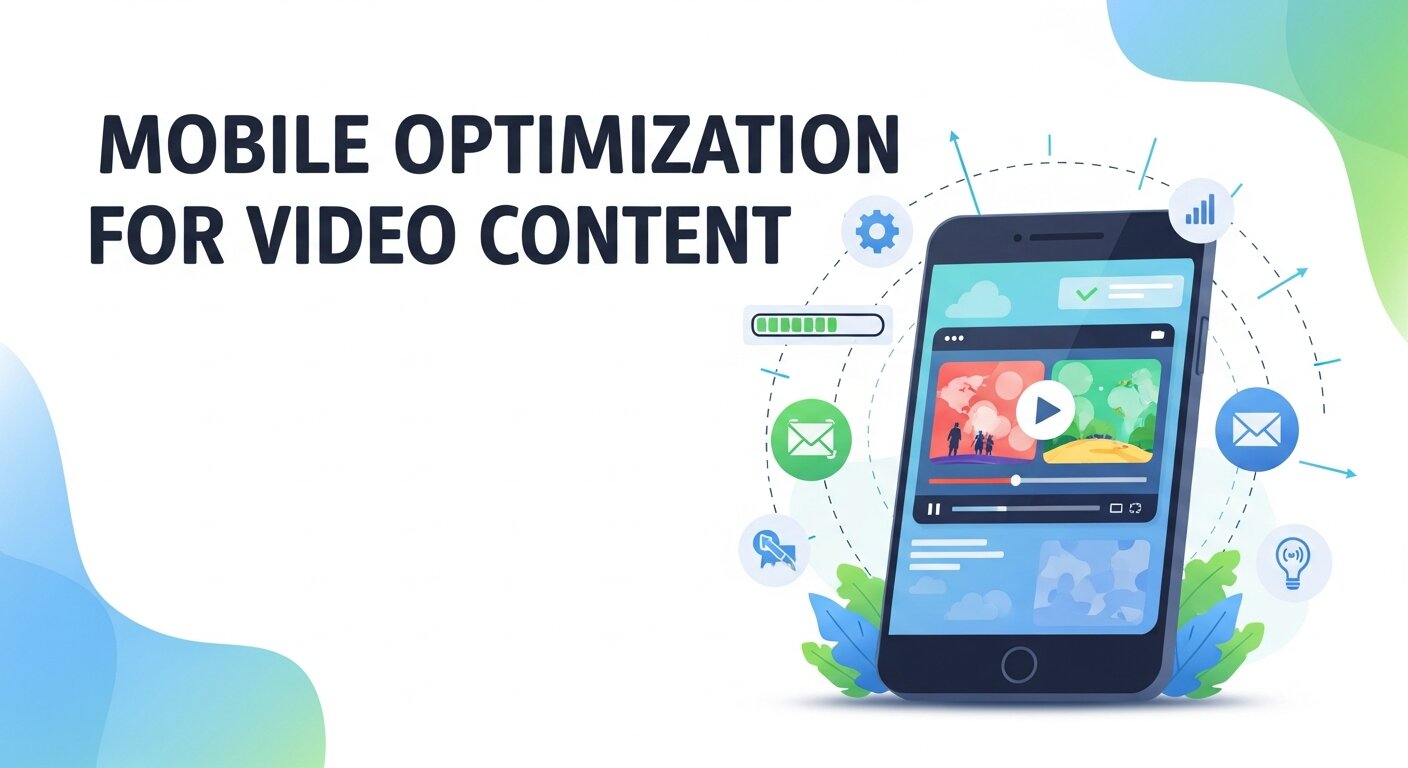 With the majority of users consuming video on mobile devices, optimizing for smaller screens is no longer optional. Mobile-friendly video players, responsive design, and adaptive streaming significantly improve user experience. Slow buffering, misaligned layouts, or intrusive popups can quickly drive users away, negatively impacting engagement metrics. Search engines prioritize mobile-first indexing, meaning your mobile performance directly influences rankings. Ensuring fast load times, proper video scaling, and intuitive controls enhances usability. Additionally, vertical video formats and mobile-specific thumbnails can further boost engagement. By focusing on mobile optimization, you align your video content with modern consumption habits and search engine expectations.
Video Engagement Metrics and Analytics
Understanding how users interact with your videos is essential for refining your SEO strategy. Metrics such as watch time, average view duration, and engagement rate provide valuable insights into content performance. High drop-off points indicate where viewers lose interest, allowing you to adjust your structure and pacing. Tools like Google Analytics and platform-specific dashboards offer detailed behavioral data. By analyzing these metrics, you can identify what resonates with your audience and replicate successful elements. Continuous optimization based on real user data ensures that your videos remain relevant and competitive. Strong engagement signals ultimately improve your rankings and visibility.
Content Clustering with Video Integration
Content clustering involves organizing related topics into structured groups, with videos playing a central role in each cluster. By embedding videos within pillar pages and supporting articles, you create a cohesive content ecosystem that enhances topical authority. Search engines favor websites that demonstrate expertise across interconnected subjects. Videos add depth and engagement to written content, increasing dwell time and reducing bounce rates. Internal linking between video-rich pages further strengthens SEO signals. This strategy not only improves user navigation but also helps search engines understand the hierarchy and relevance of your content. Integrating videos into clusters amplifies both visibility and authority.
Video Repurposing for Multi-Channel SEO
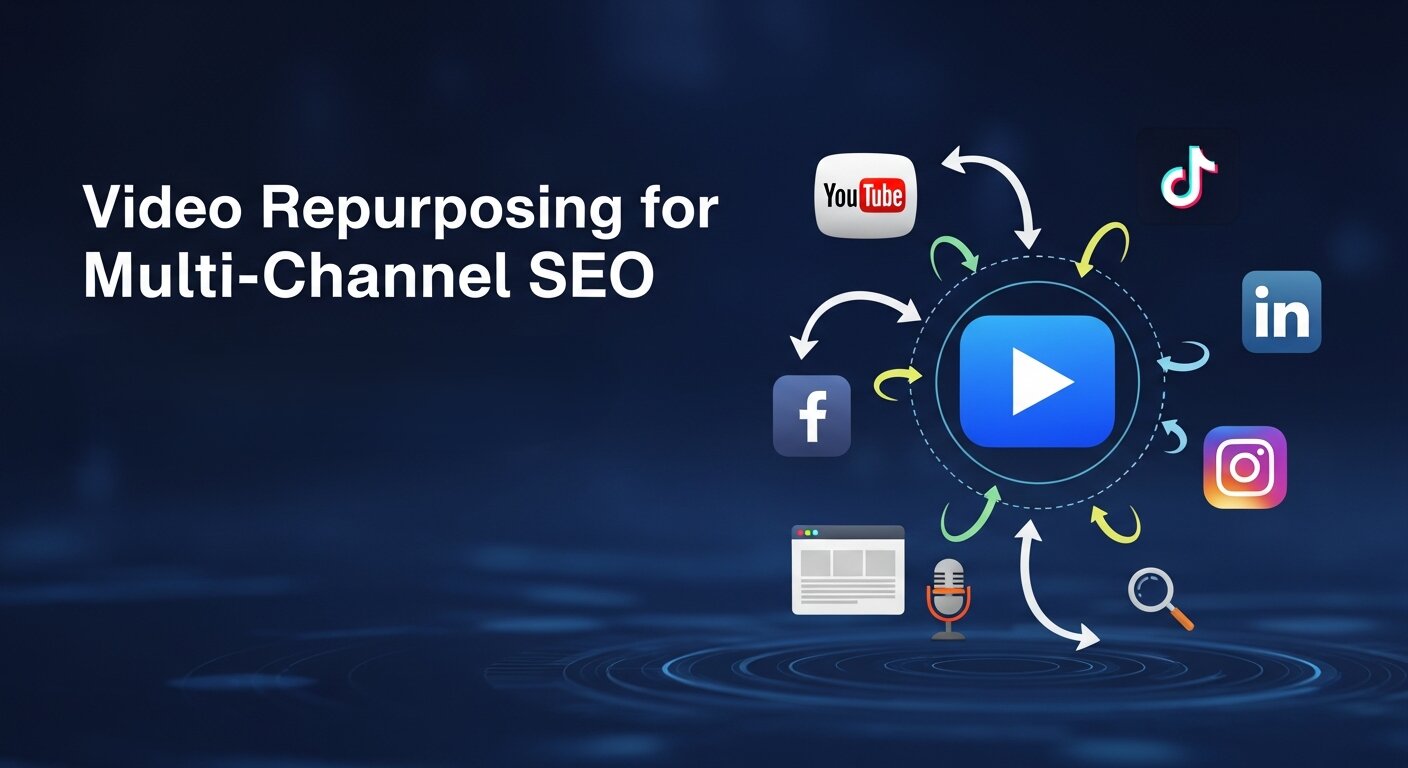 Repurposing video content across multiple platforms extends its reach and SEO value. A single video can be transformed into blog posts, social media clips, infographics, and podcasts. Each format targets different audience segments while reinforcing your core message. Short-form clips can drive traffic back to your main website, while transcripts can be optimized for search queries. Distributing content across platforms like LinkedIn, Facebook, and Instagram increases brand visibility and backlink opportunities. Consistent messaging across channels strengthens your authority in search engines. By maximizing the utility of each video, you create a scalable strategy that delivers long-term organic growth.
Frequently Asked Questions
What is the difference between basic and advanced video SEO?
Basic optimization usually involves updating a title, adding a description, and selecting a few tags on a platform like YouTube. Advanced video SEO involves technical website integration, implementing VideoObject schema markup, providing custom SRT transcript files, optimizing Core Web Vitals for embedded media, and analyzing behavioral retention metrics.
Does hosting my video on YouTube help my website’s SEO?
Hosting on YouTube can drive traffic from YouTube’s internal search engine, but it often results in the YouTube URL outranking your actual website for your target keywords. If your primary goal is to drive organic traffic to your own domain, utilizing a premium hosting service (like Wistia or Vimeo) and embedding the video with proper schema is a more effective strategy.
How important are transcripts for video rankings?
Transcripts are critically important. They translate your visual and audio content into crawlable text. This allows search engines to read the exact dialogue of your video, index all the natural long-tail keywords spoken, and deeply understand the context of the media.
Can video SEO improve my overall website ranking?
Yes. Pages with highly relevant, optimized video content often experience longer dwell times and lower bounce rates. These positive user engagement signals indicate to search engines that your page provides a high-quality user experience, which can positively impact the ranking of the entire page.
Your Next Steps for Video Search Dominance
Treating video as a passive asset is a missed opportunity. To capture the full value of your production efforts, you must actively integrate your media into your broader search strategy. Start by auditing your existing video library. Ensure every embed is paired with accurate schema markup and a clean transcript.
Examine your page load speeds and optimize your thumbnails to capture attention. By systematically applying the principles of advanced video SEO, you will turn your multimedia content into a reliable, long-term source of organic traffic.