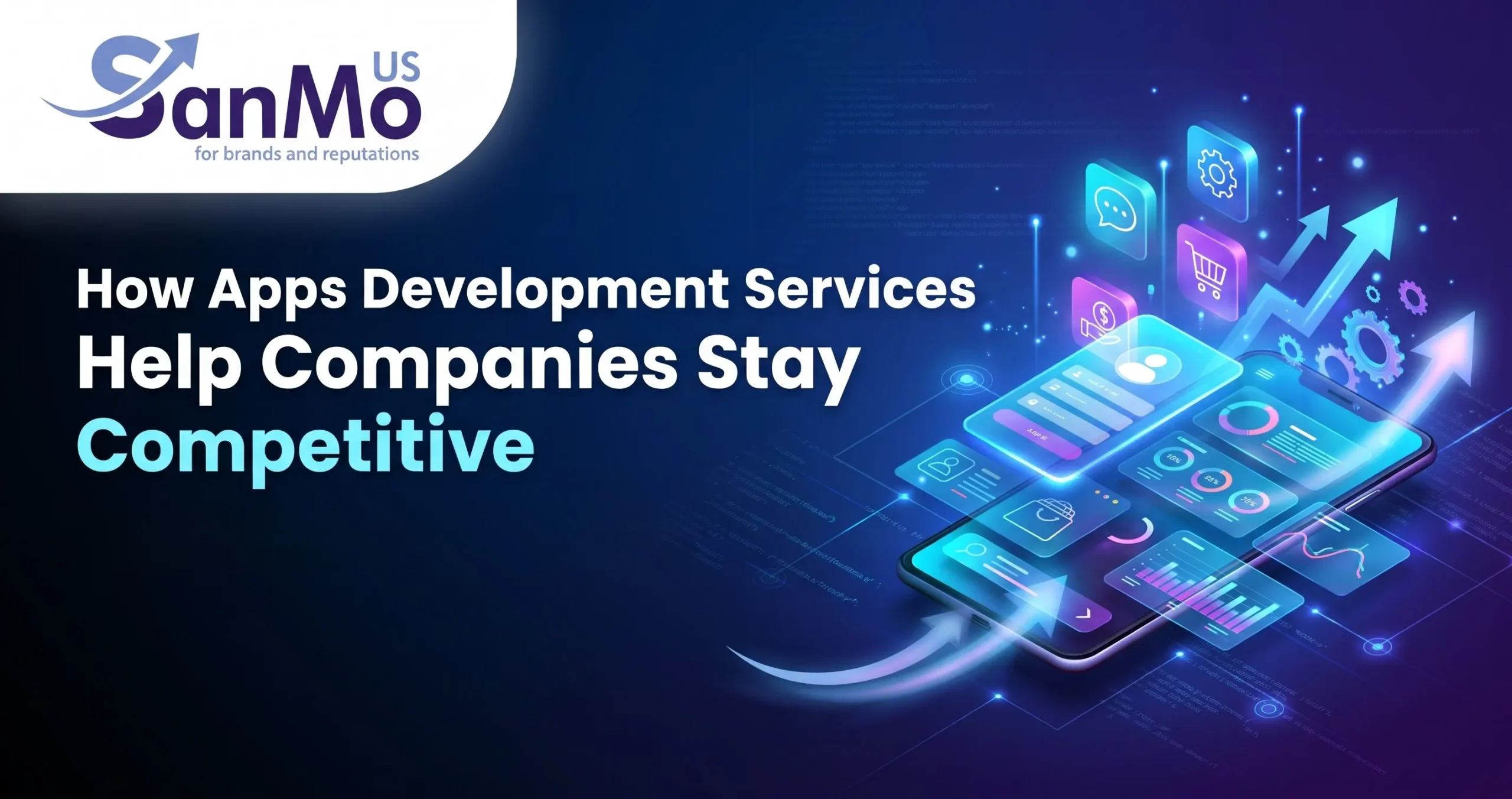
In today’s rapidly evolving digital landscape, businesses must continuously improve their technology, customer experiences, and operational processes to remain competitive. Apps Development Services help companies build digital solutions that streamline workflows, improve customer engagement, and support long-term growth. From custom mobile applications to enterprise software, the right application can transform how a business operates and interacts with its audience.
As customer expectations increase and competitors adopt new technologies, businesses can no longer rely solely on traditional processes. They need flexible, secure, and user-friendly applications that address specific challenges and create measurable value. Well-designed applications can simplify daily operations, improve communication, and provide valuable insights into customer behavior.
Improving Business Efficiency Through Application Development
Business efficiency is a major factor in maintaining a competitive advantage. Companies that manage their operations effectively can respond to customer needs faster, reduce unnecessary expenses, and allocate resources more strategically. Application development supports these goals by replacing repetitive manual activities with streamlined digital workflows.
Automating Repetitive Business Tasks
Automation allows businesses to handle routine activities with greater consistency. Applications can simplify appointment scheduling, inventory tracking, customer communication, reporting, and internal approvals. When employees spend less time performing repetitive tasks, they can focus on activities that require creativity, problem-solving, and strategic decision-making.
Custom applications can also connect different business functions within a single system. This reduces unnecessary data entry and minimizes communication gaps between departments. As a result, organizations can improve productivity while maintaining more consistent operational processes.
Reducing Operational Costs
Operational expenses can limit a company’s ability to invest in growth. Apps Development Services help businesses identify opportunities to reduce costs through process automation, improved resource management, and better information sharing. Instead of maintaining disconnected tools, companies can develop applications that address multiple operational requirements.
However, cost savings depend on proper planning, implementation, and maintenance. Businesses should evaluate development expenses alongside potential efficiency improvements to determine whether an application offers sustainable long-term value.
Creating Better Customer Experiences
 Customer experience influences how people perceive a brand and whether they choose to return. Businesses that provide convenient, reliable, and personalized digital interactions can build stronger relationships with their audiences. Application development enables companies to create experiences that match customer expectations across different devices and communication channels.
Making Services More Accessible
Mobile and web applications allow customers to access business services without depending entirely on traditional communication methods. Customers may be able to browse products, schedule appointments, submit inquiries, track orders, or manage accounts whenever convenient.
This accessibility reduces friction throughout the customer journey. When people can complete important activities quickly, they are more likely to develop confidence in the business. Companies can also use application features to provide timely updates and simplify interactions after a purchase.
Personalizing Digital Interactions
Personalization helps businesses deliver experiences that reflect individual preferences and needs. Applications can use appropriately collected customer information to recommend relevant products, remember preferences, and provide useful notifications.
Companies must handle personal information responsibly and explain how customer data is used. Privacy-conscious personalization can strengthen customer relationships without creating unnecessary concerns. With thoughtful design, businesses can make their digital services more relevant while protecting customer trust.
Strengthening Competitive Advantage Through Custom Applications
Every business has different operational priorities, customer expectations, and growth opportunities. Standard software may provide useful general features, but it does not always address specific requirements. Custom application development allows companies to create solutions that reflect their business models and distinguish their services from competitors.
Developing Solutions Around Business Needs
A custom application can be designed around existing workflows, customer requirements, and organizational goals. For example, a retail company may need inventory synchronization, while a professional services firm may prioritize appointment management and client communication.
By focusing on these individual requirements, businesses can avoid paying for unnecessary features or adapting every process to the limitations of generic software. SanMo US provides a starting point for businesses exploring application development and broader technology solutions suited to their objectives.
Differentiating Products and Services
Digital features can help businesses deliver services that competitors may not offer in the same way. Examples include simplified ordering, customer self-service portals, personalized dashboards, and faster booking systems.
These capabilities are most valuable when they solve genuine customer problems. Developing an application simply to follow a technology trend does not guarantee a competitive advantage. Companies should identify customer frustrations and market opportunities before deciding which features deserve investment.
Supporting Data-Driven Business Decisions
 Reliable business decisions depend on accurate information. Application development can help organizations collect, organize, and analyze relevant operational and customer data. When businesses understand how their services perform, they can identify weaknesses, recognize emerging opportunities, and adjust their strategies more effectively.
Tracking Important Performance Indicators
Business applications can provide dashboards that display information about sales, customer engagement, service requests, inventory levels, and operational performance. These insights help managers understand whether their activities are producing the intended results.
For example, an online retailer might analyze abandoned carts to identify problems during checkout. A service provider could examine appointment cancellations to improve scheduling procedures. The specific measurements should reflect the company’s goals rather than the amount of data available.
Understanding Customer Behavior
Customer behavior analysis helps companies identify patterns in how people discover, evaluate, purchase, and use their services. Application analytics can reveal which features receive attention, where users encounter difficulties, and which processes require improvement.
Businesses should interpret these findings carefully and avoid treating every observed pattern as proof of customer intent. Combining analytics with customer feedback and usability testing produces a more complete understanding of user needs.
Improving Scalability and Business Flexibility
A competitive company must be prepared for growth and changing market conditions. Applications that support scalability allow businesses to accommodate increasing workloads, additional customers, and evolving operational requirements without rebuilding every system from the beginning.
Building Applications That Grow With the Business
Scalable application architecture helps businesses expand functionality and capacity as requirements change. Depending on the project, this may involve cloud infrastructure, modular software components, database optimization, or integration with other business systems.
Companies should consider anticipated growth, security requirements, and maintenance costs during the planning stage. A scalable solution does not necessarily need complex technology from the beginning. Instead, it should provide a practical foundation that supports future development without unnecessary complexity.
Adapting to Changing Market Conditions
Customer expectations, industry regulations, and competitor strategies can change quickly. Flexible applications allow businesses to introduce new features, adjust workflows, and integrate additional tools as needed.
Regular updates also help companies address technical problems and maintain compatibility with evolving platforms. Businesses that plan for ongoing maintenance can respond more effectively to new opportunities while reducing the risk of operating outdated digital systems.
Strengthening Security and Building Customer Trust
 Security is essential for businesses that collect customer information, process payments, or manage confidential operational data. A security incident can disrupt operations, damage reputation, and create financial or regulatory consequences. Application development should therefore incorporate security considerations from the earliest planning stages.
Protecting Sensitive Business Information
Secure applications may use access controls, encryption, secure authentication, input validation, and appropriate monitoring to reduce common security risks. The correct combination depends on the application, the information it handles, and the threats relevant to the business.
Companies should also establish procedures for software updates, vulnerability assessment, backup management, and incident response. Security is an ongoing responsibility rather than a single development task. Regular reviews help businesses identify weaknesses before they develop into more serious problems.
Maintaining Customer Confidence
Customers are more likely to trust businesses that explain their privacy practices and protect personal information. Applications should collect only the information necessary for their intended functions and provide clear explanations of relevant data practices.
Transparent communication, dependable performance, and responsible data handling contribute to a positive customer experience. By making security and privacy priorities, companies can strengthen their reputation while supporting more sustainable digital relationships.
Integrating Applications With Existing Business Systems
Many organizations depend on multiple tools to manage sales, customer relationships, accounting, inventory, and communication. When these systems operate independently, employees may face duplicated work, inconsistent information, and unnecessary delays. Application integration can connect important business functions and improve overall coordination.
Connecting Essential Business Tools
Application programming interfaces, commonly called APIs, allow compatible systems to exchange information and perform specific functions. A business application might connect with a customer relationship management platform, payment gateway, inventory database, or reporting system.
These integrations can improve data consistency and reduce the need for manual transfers. Before implementation, businesses should evaluate compatibility, access permissions, data quality, and ongoing support requirements. Well-planned integration makes technology more useful without introducing avoidable complexity.
Creating More Consistent Workflows
Integrated systems help employees access the information they need without switching constantly between disconnected platforms. For example, an order management application may share updates with inventory and customer support systems, allowing different departments to work with consistent information.
This coordination can improve response times and reduce operational errors. Businesses should map their existing workflows before selecting integration features so that the final solution addresses actual process gaps rather than simply connecting every available tool.
Leveraging Emerging Technologies for Innovation
Emerging technologies create new opportunities for businesses to improve services and differentiate their offerings. Artificial intelligence, cloud computing, machine learning, and advanced analytics can support more responsive applications when applied to clearly defined business problems.
Exploring Artificial Intelligence and Automation
AI-powered application features can assist with customer support, document processing, product recommendations, and selected data analysis tasks. For example, a business may introduce a chatbot to answer common questions or help customers navigate available services.
However, AI features require appropriate testing, human oversight, and safeguards against inaccurate outputs or inappropriate data use. Businesses should evaluate whether AI provides meaningful benefits compared with simpler alternatives before investing in implementation.
Using Cloud-Based Application Solutions
Cloud-based applications can help businesses access services across locations and support changing workloads. Depending on the architecture, cloud infrastructure may reduce the need to maintain certain on-site systems and make collaboration easier for distributed teams.
Cloud adoption still requires careful attention to cost management, access security, availability, and data governance. Companies should compare infrastructure options against their technical requirements and expected usage. Choosing appropriate technology helps businesses innovate without creating unnecessary financial or operational risks.
Choosing the Right Apps Development Services Provider
Selecting a suitable development partner can influence the quality, reliability, and long-term value of a business application. Companies should evaluate their requirements before comparing providers, ensuring that the proposed solution addresses business priorities rather than focusing exclusively on technical features or initial pricing.
Evaluating Technical Expertise and Communication
Businesses should assess a provider’s experience with relevant technologies, project management practices, quality assurance, and application security. Reviewing previous projects or practical examples can help organizations understand whether the provider can address similar challenges.
Clear communication is equally important. A reliable development process should include requirement discussions, progress updates, testing arrangements, and a defined approach to handling changes. These practices reduce misunderstandings and help keep the project aligned with its intended objectives.
Considering Long-Term Support and Maintenance
Applications require ongoing attention after launch. Software updates, security improvements, bug fixes, compatibility changes, and performance monitoring help maintain reliability as business requirements evolve.
Before signing an agreement, companies should clarify maintenance responsibilities, support availability, ownership of source code, documentation, and future development arrangements. SanMo US can be explored by businesses seeking IT and application development services in the United States. The appropriate provider should be selected according to the project’s requirements, budget, and support expectations.
Measuring the Business Impact of Application Development
 Application development should be evaluated through measurable business outcomes rather than the number of features delivered. Establishing clear performance indicators before development begins allows companies to assess whether the investment improves efficiency, customer experience, or revenue-related processes.
Monitoring Return on Investment
Return on investment, or ROI, compares the financial benefits of an investment with its costs. For application development, businesses may consider reduced administrative expenses, improved conversion rates, lower error rates, and time saved through automation.
The evaluation should include development, hosting, maintenance, training, and integration expenses. Since benefits may take time to appear, companies should establish a realistic measurement period and compare results with an appropriate baseline.
Continuously Improving Application Performance
Launching an application is the beginning of an ongoing improvement process. Businesses should monitor performance, gather user feedback, review analytics, and investigate recurring problems to identify opportunities for refinement.
Updates should prioritize improvements that address real user needs or business objectives. By evaluating results consistently, organizations can keep their applications useful, reliable, and aligned with changing expectations. This continuous approach helps companies protect their investment and maintain a stronger position in competitive markets.
Conclusion
Technology plays an increasingly important role in how businesses compete, serve customers, and manage operations. Apps Development Services enable companies to improve efficiency, deliver better customer experiences, strengthen security, and build flexible digital systems that support future growth. The greatest benefits come from aligning application development with clearly defined business goals. Companies should understand their customers, identify operational challenges, select appropriate technologies, and measure the results after launch. Custom features, data-driven decisions, and well-planned integrations can create meaningful advantages when they address genuine business needs.
SanMo US provides an option for businesses exploring application development and IT solutions to support their digital objectives. With careful planning, suitable technical expertise, and consistent improvement, businesses can use application development to adapt to market changes and remain competitive over the long term.
Frequently Asked Questions
1. What Are Apps Development Services?
Apps Development Services involve planning, designing, building, testing, and maintaining software applications for business or consumer use. These services can include mobile applications, web applications, and custom enterprise solutions that support specific operational or customer requirements.
2. How Do Apps Development Services Help Companies Stay Competitive?
They help businesses improve operational efficiency, enhance customer experiences, automate repetitive tasks, and respond to changing market demands. Well-designed applications can also provide useful business insights and create digital experiences that differentiate a company from its competitors.
3. Why Is Custom Application Development Important?
Custom application development allows businesses to create software around their specific workflows, objectives, and customer needs. It can provide greater flexibility than generic software when a company requires specialized features, integrations, or processes that existing products do not adequately support.
4. How Can Business Applications Improve Customer Experience?
Business applications can make services easier to access through convenient interfaces, faster transactions, self-service features, and timely updates. When designed around customer needs, these capabilities can reduce friction and improve satisfaction throughout the customer journey.
5. Are Apps Development Services Suitable for Small Businesses?
Yes. Small businesses can benefit from applications that address specific challenges, such as appointment scheduling, customer communication, inventory management, or online sales. Starting with essential features helps control costs while leaving room for future improvements.
6. How Much Do Apps Development Services Cost?
Costs depend on application complexity, design requirements, integrations, security needs, development time, and ongoing maintenance. Businesses should request a detailed project estimate based on their requirements rather than relying on a single standard price.
7. How Long Does It Take to Develop a Business Application?
The timeline varies according to the application’s scope, technical complexity, integrations, and testing requirements. A relatively simple application may take weeks or months, while a complex enterprise solution may require substantially longer development and implementation.
8. How Do Applications Help Businesses Make Better Decisions?
Applications can collect and organize operational information, track performance indicators, and present useful analytics. Businesses can use these insights to identify customer behavior patterns, monitor productivity, and evaluate opportunities for improvement.
9. Why Are Security and Maintenance Important in Application Development?
Security measures help protect business information and customer data, while ongoing maintenance addresses bugs, vulnerabilities, compatibility issues, and performance problems. Both are essential for maintaining a dependable application throughout its operational life.
10. How Can SanMo US Help Businesses With Application Development?
SanMo US offers an option for businesses exploring application development and IT solutions. Companies interested in its services can review its application development service page and discuss their requirements, project objectives, and support needs before selecting an appropriate solution.