In today’s competitive digital marketplace, building brand awareness requires businesses to connect with their target audiences through convenient, personalized, and engaging communication channels. Traditional advertising methods can help introduce a brand to potential customers, but maintaining consistent engagement requires a more direct approach. This is where WhatsApp Marketing Services become valuable for businesses looking to improve visibility, strengthen customer relationships, and establish a recognizable brand identity.
WhatsApp has become an important communication platform for businesses that want to interact with customers through messages, product updates, promotional campaigns, and personalized conversations. By using the platform strategically, companies can communicate their values, share useful information, and remain connected with their audiences throughout the customer journey.
Understanding WhatsApp Marketing Services
WhatsApp Marketing Services involve using WhatsApp’s business communication features to connect with customers, distribute relevant information, promote products or services, and maintain ongoing relationships. These services can support brand awareness by helping businesses communicate directly with interested audiences through a familiar messaging platform.
Unlike communication channels that depend entirely on public visibility, WhatsApp enables businesses to engage customers through private conversations and permission-based messaging. Companies can use WhatsApp Business tools, approved messaging solutions, and relevant content to maintain consistent communication while respecting customer preferences.
Building Stronger Customer Engagement Through WhatsApp
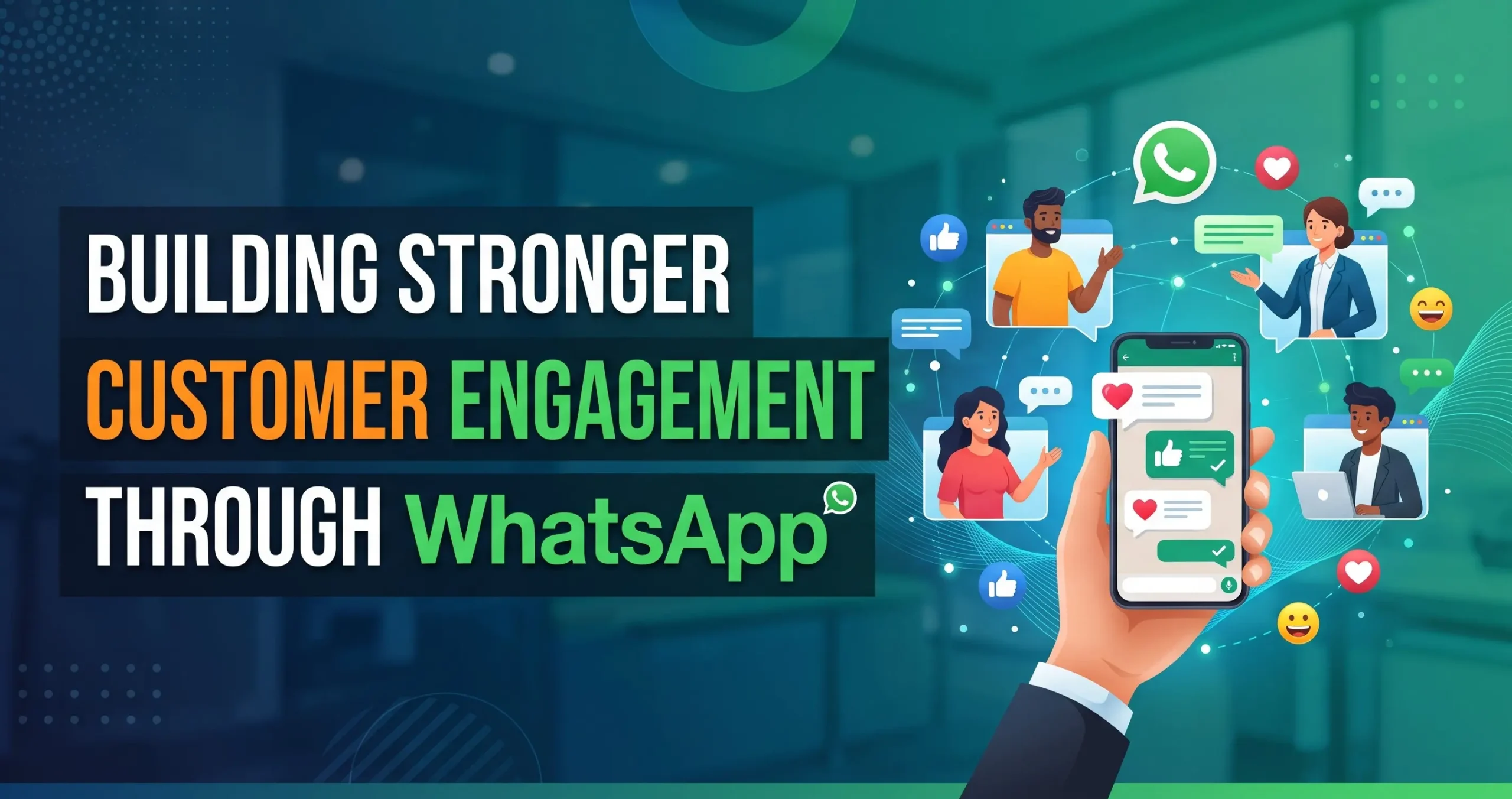 Customer engagement plays an important role in brand awareness because people are more likely to remember businesses that provide relevant and meaningful experiences. WhatsApp gives companies a direct communication channel where customers can ask questions, respond to updates, and receive information suited to their interests.
Encouraging Two-Way Conversations
Unlike communication methods that primarily deliver one-way promotional messages, WhatsApp supports conversations between businesses and customers. Customers can request product details, clarify service information, and receive assistance from a business representative.
These conversations help companies understand customer expectations while giving audiences a more interactive experience. When customers feel that their questions are addressed respectfully, they may develop greater familiarity with the brand and become more comfortable engaging with it in the future.
Sharing Relevant and Valuable Content
Businesses can use WhatsApp to share product announcements, educational resources, service updates, and practical recommendations. The most effective content provides genuine value rather than repeatedly promoting products without considering customer needs.
For example, a software company might share helpful usage tips, while a retail business could communicate product care recommendations. Relevant information encourages customers to associate the brand with useful experiences, supporting awareness and helping establish a recognizable position within its industry.
Personalization: Making Your Brand More Memorable
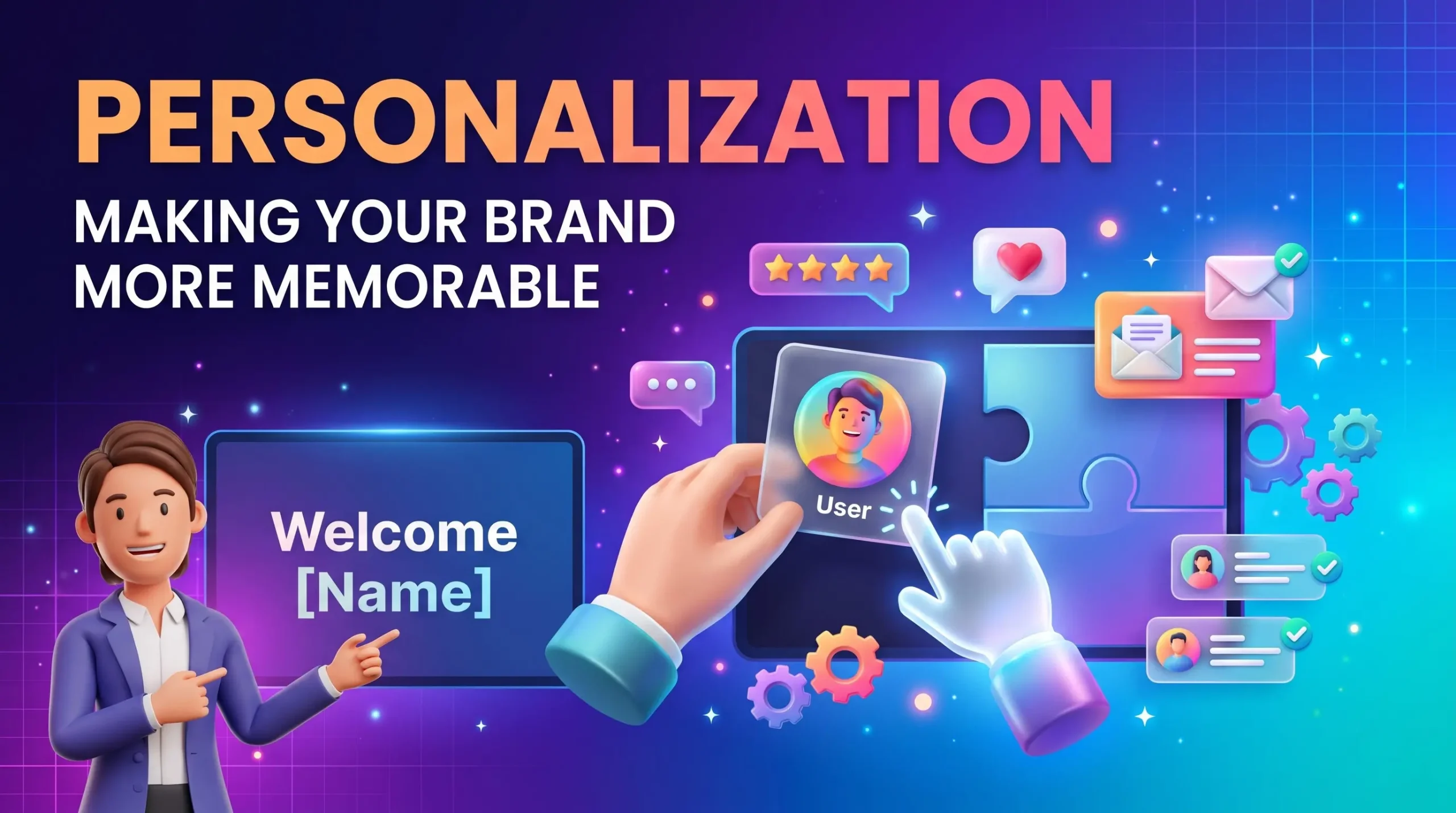 Personalized communication helps businesses create experiences that feel relevant to individual customers. By organizing customer preferences and understanding their interests, companies can provide more meaningful messages instead of sending identical promotions to every contact.
Segmenting Audiences Effectively
Audience segmentation involves grouping customers according to relevant characteristics, such as their interests, previous interactions, or purchasing preferences. Businesses can use these insights to develop messaging that addresses different customer needs.
For instance, an online retailer might communicate new product arrivals to customers who have opted in to relevant updates. A service provider could share educational information with prospects interested in a particular service. Relevant segmentation makes communication more useful and can improve how customers perceive the brand.
Delivering Personalized Customer Experiences
Personalization should focus on helping customers rather than simply increasing promotional activity. Businesses can tailor recommendations, provide contextually relevant updates, and respond to customer inquiries with accurate information.
These experiences can make a brand feel more attentive and approachable. However, personalization must respect privacy expectations, applicable data protection requirements, and customer communication preferences. Businesses should use customer information responsibly and avoid sending messages without appropriate permission.
Using WhatsApp Business Features for Brand Visibility
WhatsApp Business provides features that can help companies present their identities professionally and manage customer communication. When configured effectively, these features make it easier for customers to understand what a business offers and how to contact it. A complete business profile can include the company name, description, contact information, operating hours, and relevant product or service details. Depending on the available features and account type, businesses may also use catalogs, automated greetings, quick replies, and other tools to improve the customer experience.
These capabilities help maintain a professional communication environment while reducing friction during customer inquiries. A clear profile also reinforces brand identity whenever customers interact with the business.
Businesses should select features according to their marketing objectives and operational requirements. For companies working with a digital marketing provider such as SanMo US, integrating WhatsApp into an organized communication strategy can help align customer interactions with broader brand awareness goals.
Integrating WhatsApp With a Broader Digital Marketing Strategy
WhatsApp marketing can be more effective when it complements other digital marketing channels. Rather than treating messaging as an isolated activity, businesses should connect it with their websites, social media profiles, content marketing campaigns, and customer service processes.
Connecting WhatsApp With Social Media Marketing
Social media helps businesses reach audiences, introduce their identities, and distribute public-facing content. WhatsApp can support the next stage by giving interested users a convenient way to ask questions or receive additional information.
For example, a business can provide a WhatsApp contact option on its social media profiles where appropriate. Visitors who discover the company through a social post can then initiate a conversation about its products or services.
This connection creates a more consistent customer journey, from initial discovery to direct communication. Businesses should ensure that each channel communicates the same brand values and provides accurate information.
Supporting Website and Content Marketing
A business website provides detailed information about products, services, company expertise, and customer resources. Adding a suitable WhatsApp contact option can help visitors request clarification when they need additional assistance.
Content marketing can also support WhatsApp engagement. Businesses may share links to useful articles, guides, or relevant landing pages with customers who have requested such information. This approach encourages audiences to explore the company’s expertise while creating additional opportunities for brand exposure.
SanMo US can help businesses consider how messaging fits within their broader digital marketing activities, including online visibility, content distribution, and customer engagement.
Improving Brand Trust Through Reliable Communication
 Brand awareness becomes more valuable when customers associate a business with reliability and professionalism. WhatsApp provides an opportunity to demonstrate these qualities through timely responses, accurate information, and helpful customer support. When a business communicates transparently, answers questions consistently, and follows through on its commitments, customers can develop greater confidence in its services.
Conversely, excessive promotional messaging, misleading claims, and unanswered inquiries may damage brand perception. Businesses should establish clear communication standards and ensure that customer inquiries are handled appropriately. Automated responses can acknowledge incoming messages, but complicated requests may require assistance from a trained representative. Reliable communication also includes respecting customer preferences. Companies should explain what types of messages customers can expect and provide a straightforward way to stop receiving promotional communications. By combining helpful service with responsible messaging practices, businesses can create experiences that support customer trust and strengthen brand awareness over time.
WhatsApp Marketing Strategies for the US Market
Businesses targeting customers in the United States should develop WhatsApp marketing strategies that reflect their audiences’ communication preferences, industry requirements, and purchasing behavior. WhatsApp may be particularly useful for businesses whose customers already use the platform or prefer direct messaging for inquiries and support.
Understanding Your Target Audience
Before launching a campaign, businesses should identify the audiences they want to reach and determine whether WhatsApp suits their communication habits. Customer research can reveal which topics interest potential buyers, what questions they commonly ask, and which communication methods they prefer.
Companies should also consider whether their target customers are likely to use WhatsApp regularly. Since platform preferences vary across industries and demographic groups, businesses should evaluate audience behavior rather than assume that WhatsApp is the ideal channel for every market segment.
Creating Culturally Relevant Campaigns
Marketing messages should reflect the expectations and needs of the intended audience. Businesses serving US customers should use clear language, relevant examples, and appropriate timing when communicating through WhatsApp.
Campaigns should focus on useful information, customer benefits, and clear next steps. For example, a company introducing a new service might explain its practical advantages and invite interested customers to request further details.
Businesses should also review relevant privacy, consumer protection, and messaging requirements before launching campaigns. Marketing communication should follow WhatsApp’s applicable policies and all relevant laws, including consent requirements where applicable.
Measuring the Success of WhatsApp Marketing Campaigns
Measuring campaign performance helps businesses understand whether their WhatsApp activities contribute to brand awareness and customer engagement. Instead of evaluating success only through message volume, companies should consider a combination of engagement indicators and broader marketing outcomes.
Useful measurements may include the number of customers who voluntarily opt in, the volume of meaningful conversations, response rates, link clicks, qualified inquiries, and conversions attributable to campaign activities. Businesses can also monitor customer feedback and recurring questions to understand how audiences respond to their communication. Brand awareness is more difficult to measure directly. However, companies can evaluate supporting indicators such as branded website traffic, direct inquiries, customer surveys, and increases in people who recognize the company through different channels.
Campaign tracking should use appropriate analytics and privacy-conscious measurement practices. Unique campaign links and properly configured tracking parameters can help businesses understand which messages generate website visits or inquiries. SanMo US can be positioned as a digital marketing resource for businesses seeking to coordinate messaging with broader marketing objectives. A structured measurement process helps companies identify effective approaches, improve underperforming campaigns, and allocate resources more efficiently.
Common WhatsApp Marketing Mistakes to Avoid
Businesses can weaken brand awareness when they use WhatsApp without a clear strategy. Sending too many promotional messages, contacting people without appropriate permission, or sharing irrelevant content can frustrate recipients and reduce trust.
Another common mistake is treating WhatsApp solely as a sales channel. Customers may need answers, support, useful information, or reassurance before they consider purchasing. A communication strategy that focuses only on immediate sales can overlook these important relationship-building opportunities.
Businesses should also avoid inconsistent branding, inaccurate information, and delayed responses. Customers expect communication to reflect the professionalism presented on a company’s website and other marketing channels.
Why Choose SanMo US for Digital Marketing Support?
 Building brand awareness requires more than selecting a communication platform. Businesses need a clear understanding of their audiences, consistent messaging, useful content, and a practical process for measuring marketing performance.
SanMo US provides a digital marketing services platform through which businesses can explore solutions relevant to their online growth objectives. Companies considering WhatsApp marketing should evaluate how messaging can complement their existing digital marketing activities and support a consistent customer experience.
A well-planned strategy can connect WhatsApp communication with website engagement, social media visibility, content distribution, and customer relationship management. This integrated approach helps businesses create more opportunities for audiences to discover their brand and interact with the company.
Conclusion
WhatsApp Marketing Services can help businesses strengthen brand awareness by creating direct communication opportunities, delivering relevant content, and supporting meaningful customer engagement. When companies maintain consistent messaging and provide reliable customer experiences, they create more opportunities for audiences to recognize and remember their brands. WhatsApp is most effective when integrated with a broader digital marketing strategy rather than used as an isolated promotional channel. Combining messaging with website content, social media marketing, customer support, and performance measurement can help businesses develop stronger customer relationships.
For businesses targeting the US market, understanding audience preferences and following responsible messaging practices are essential. Companies should prioritize permission-based communication, useful content, personalization, and transparent customer interactions. SanMo US can serve as a starting point for businesses exploring digital marketing solutions that align with their brand awareness and customer engagement goals. With a thoughtful strategy and consistent execution, WhatsApp can become a valuable part of a company’s long-term approach to building brand recognition.
Frequently Asked Questions (FAQs)
1. What Are WhatsApp Marketing Services?
WhatsApp Marketing Services involve using WhatsApp to communicate with customers, share relevant updates, promote products or services, and manage customer interactions. These services can help businesses improve engagement and support brand awareness through direct, permission-based communication.
2. How Do WhatsApp Marketing Services Strengthen Brand Awareness?
They help businesses maintain consistent communication, distribute useful information, and create personalized customer experiences. Repeated positive interactions can make a brand more recognizable and help customers develop a clearer understanding of its products, services, and values.
3. Is WhatsApp Marketing Effective for US Businesses?
WhatsApp marketing can be effective for US businesses when their target audiences actively use the platform and prefer direct communication. Companies should research customer preferences, develop relevant campaigns, and integrate WhatsApp with their existing marketing channels.
4. How Can Small Businesses Use WhatsApp to Promote Their Brands?
Small businesses can create professional WhatsApp Business profiles, answer customer questions, share relevant updates with opted-in contacts, and provide helpful support. Connecting WhatsApp with their websites and social media profiles can create additional opportunities for customers to discover their brands.
5. Can WhatsApp Marketing Help Generate Leads?
Yes. WhatsApp can support lead generation by allowing interested prospects to ask questions, request information, and discuss their needs directly with a business. Clear calls to action and timely responses can help businesses identify qualified prospects and guide them toward relevant services.
6. What Is the Difference Between WhatsApp Business and WhatsApp Business Platform?
WhatsApp Business is an application designed primarily for small businesses managing customer conversations. The WhatsApp Business Platform supports businesses that need more advanced messaging integrations, automation, and scalable communication capabilities, subject to applicable access and messaging requirements.
7. How Often Should Businesses Send WhatsApp Marketing Messages?
There is no universal ideal frequency. Businesses should consider customer expectations, message relevance, and campaign objectives. Sending useful messages at reasonable intervals and respecting communication preferences can help maintain engagement without overwhelming recipients.
8. How Can Businesses Measure WhatsApp Marketing Performance?
Businesses can track opt-ins, meaningful conversations, response rates, link clicks, qualified inquiries, and conversions. They can also evaluate customer feedback and branded website traffic to understand whether WhatsApp campaigns contribute to broader brand awareness objectives.
9. Is WhatsApp Marketing Suitable for Every Industry?
WhatsApp marketing can support many industries, including retail, ecommerce, hospitality, professional services, and education. However, suitability depends on audience preferences, business objectives, applicable regulations, and whether direct messaging provides genuine value to customers.
10. How Can SanMo US Support Digital Marketing Goals?
SanMo US offers a platform for exploring digital marketing services relevant to business growth. Companies interested in strengthening brand awareness can review its available services and consider how messaging, online visibility, and customer engagement fit into their broader marketing strategies.