Posting consistently across multiple platforms is harder than it looks. One day you’re crafting an Instagram carousel, the next you’re scrambling to schedule LinkedIn updates, respond to comments, and figure out why your engagement dipped. For many marketers and small business owners, content planning becomes a daily fire drill instead of a strategy.
That’s where social media management tools come in. These platforms pull all your scheduling, publishing, analytics, and engagement tasks into one place—so you can plan weeks ahead instead of posting on the fly. The right tool can save you hours each week and bring a sense of order to your content calendar.
In this guide, we’ll walk through how social media management tools simplify content planning, the key features worth looking for, and how to choose the platform that fits your workflow. By the end, you’ll have a clear sense of what to prioritize and how to make your social media routine far less chaotic.
What Is a Social Media Management Tool?
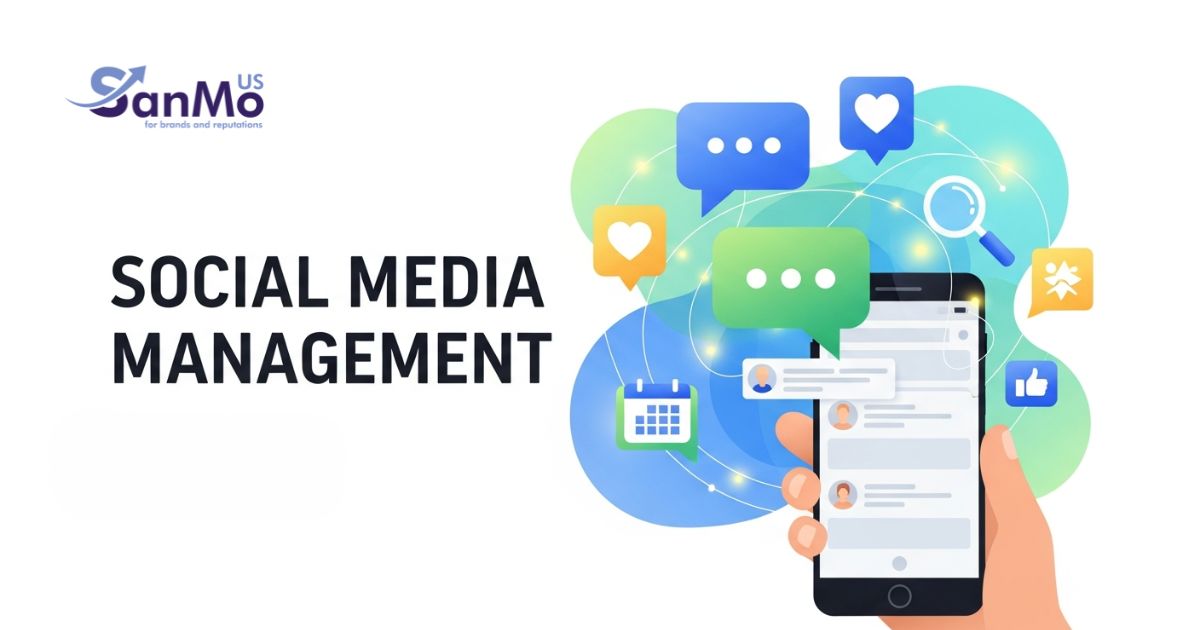
A social media management tool is software that helps you plan, schedule, publish, and analyze content across multiple social networks from a single dashboard. Instead of logging into each platform separately, you manage everything—Instagram, Facebook, LinkedIn, X, TikTok, and more—in one centralized hub.
Most tools combine several core functions: a content calendar for planning, a scheduler for automated posting, analytics for tracking performance, and an inbox for managing comments and messages. Some also include collaboration features, so teams can draft, review, and approve content together.
The goal is simple. By bringing everything together, these tools remove the repetitive, manual work that eats into your day. That frees you up to focus on the creative and strategic side of social media—the part that actually moves the needle.
Why Content Planning Matters More Than Ever
 Social media moves fast, and audiences expect a steady stream of fresh content. Brands that post inconsistently tend to lose visibility, since most platform algorithms reward regular activity. A well-planned content calendar keeps you showing up reliably, even during busy weeks.
Planning ahead also improves the quality of what you publish. When you batch your content creation instead of posting reactively, you have time to refine your messaging, align posts with campaigns, and maintain a consistent brand voice. Rushed, last-minute posts rarely perform as well as content that’s been thought through.
There’s a strategic benefit too. A content plan lets you map posts to specific goals—product launches, seasonal promotions, or audience growth. You can see the bigger picture instead of treating each post as an isolated task. This kind of intentional approach is what separates brands that grow on social media from those that simply maintain a presence.
Key Features to Look for in a Social Media Management Tool
Not every tool offers the same capabilities, and the right fit depends on your needs. Still, a few features are essential for simplifying content planning. Here’s what to prioritize.
Content Scheduling and Automation
The ability to schedule posts in advance is the backbone of any good social media management tool. Look for a platform that lets you queue content across all your channels, set custom posting times, and even auto-publish without manual intervention. Bulk scheduling—where you upload multiple posts at once—is a huge time-saver for anyone managing a heavy content load.
A Visual Content Calendar
A drag-and-drop content calendar gives you a bird’s-eye view of your entire posting schedule. You can spot gaps, avoid clustering too many posts on one day, and rearrange content with a quick drag. This visual layout makes planning intuitive, especially when you’re juggling several platforms and campaigns at once.
Analytics and Reporting
You can’t improve what you don’t measure. Strong analytics tools track engagement, reach, follower growth, and click-through rates so you understand what’s working. The best platforms turn raw numbers into clear reports, helping you adjust your strategy based on real data rather than guesswork.
Engagement and Inbox Management
Publishing is only half the job. A unified inbox pulls comments, mentions, and direct messages from all your accounts into one stream, so you never miss a chance to respond. Quick, consistent engagement builds community and signals to algorithms that your account is active.
Team Collaboration
If you work with a team, collaboration features matter. Look for approval workflows, role-based permissions, and shared calendars. These let multiple people contribute without stepping on each other’s toes—and keep your brand voice consistent across everyone who posts.
How to Choose the Right Tool for Your Workflow
 With dozens of options available, picking a social media management tool can feel overwhelming. Narrowing your choice comes down to a few practical questions.
Start with your platforms: Make sure the tool supports every network you actually use. Some tools excel at visual platforms like Instagram and Pinterest, while others are built for broad cross-channel publishing. There’s no point paying for features you’ll never touch.
Consider your team size: A solo creator has very different needs than a five-person marketing department. If you work alone, prioritize ease of use and scheduling. If you collaborate, weigh approval workflows and shared access more heavily.
Match the tool to your budget: Pricing ranges from free plans with basic scheduling to enterprise tiers with advanced analytics. Choose a plan that covers your current needs while leaving room to scale. Many tools offer free trials, so test before you commit.
Think about growth: The tool that fits you today should still work as your audience expands. Choose a platform that can grow with you—adding accounts, team members, and reporting depth without forcing a disruptive switch later.
Tips for Getting the Most Out of Your Tool
Buying a social media management tool is only the first step. To truly simplify your content planning, you need to build smart habits around it.
- Batch your content: Set aside one block of time each week to plan and schedule your posts. Batching keeps you in a creative flow and prevents the daily scramble.
- Repurpose what works: Turn a popular blog post into a series of social updates, or reshape a video into shorter clips. Your management tool makes it easy to distribute content across formats and channels.
- Lean on analytics: Review your performance data regularly. Double down on the post types and topics that resonate, and quietly retire the ones that don’t.
- Stay flexible: A content calendar is a guide, not a cage. Leave room to react to trends, current events, and timely opportunities that fit your brand.
- Maintain a consistent voice: Even with automation, your posts should sound human. Build templates and brand guidelines so every piece of content feels cohesive.
Common Content Planning Mistakes to Avoid
Even with a powerful social media management tool, poor planning habits can limit your results. One common mistake is posting without a clear objective, which often leads to inconsistent messaging and weak engagement. Another is ignoring audience insights and publishing content based on assumptions instead of data. Many brands also focus too heavily on promotions while neglecting educational or entertaining posts that build long-term trust. Failing to review analytics regularly is another missed opportunity, as performance data reveals what resonates with your audience. Finally, avoid scheduling content months in advance without reviewing it. Trends, company updates, and audience interests change quickly, so your content calendar should remain flexible and open to adjustments when necessary.
The Benefits of Maintaining a Consistent Posting Schedule
Consistency is one of the biggest factors behind social media success. Regular posting keeps your brand visible and helps audiences know when to expect fresh content. It also signals platform algorithms that your account is active, which can improve organic reach over time. A predictable schedule strengthens brand recognition because followers repeatedly see your messaging, visuals, and values. Rather than disappearing for weeks and then posting several updates at once, a balanced publishing rhythm creates a better user experience. Social media management tools make consistency easier by allowing you to schedule content in advance, ensuring your channels stay active even during holidays, busy seasons, or unexpected workload increases.
Measuring the Success of Your Content Strategy
 Creating content is only valuable if it supports your business goals. Measuring performance helps you identify which posts generate engagement, website traffic, leads, or conversions. Instead of focusing only on likes, monitor metrics such as reach, impressions, click-through rates, shares, comments, and audience growth. Comparing results over weeks or months helps reveal patterns that guide future planning. Social media management tools simplify this process by organizing data into easy-to-read reports and visual dashboards. Regular performance reviews allow you to refine your strategy, invest more in successful content formats, and eliminate approaches that consistently underperform, leading to stronger long-term marketing results.
Integrating Social Media Management with Your Marketing Strategy
Social media works best when it supports your broader marketing efforts rather than operating independently. Your content calendar should align with product launches, email campaigns, blog publications, webinars, and seasonal promotions. This integrated approach creates a consistent customer experience across every marketing channel. Social media management tools help coordinate campaigns by scheduling supporting posts, tracking campaign performance, and ensuring messaging remains consistent throughout the customer journey. When every marketing activity reinforces the others, your audience receives a unified message that strengthens trust and increases conversion opportunities. A connected strategy also makes campaign planning more efficient and reduces duplicated effort across marketing teams.
Future Trends in Social Media Management
 The future of social media management is becoming increasingly driven by automation, artificial intelligence, and data insights. AI-powered tools can recommend optimal posting times, generate content ideas, analyze audience sentiment, and identify emerging trends before they become mainstream. Short-form video, creator collaborations, and personalized content will continue shaping social media strategies across industries. At the same time, privacy regulations and changing platform algorithms will require marketers to stay adaptable. Businesses that regularly evaluate new technologies while maintaining authentic engagement will be better positioned for long-term growth. Investing in flexible social media management tools today prepares your brand to respond confidently to tomorrow’s digital marketing challenges.
Frequently Asked Questions
What is the difference between a social media management tool and a scheduler?
A scheduler simply queues posts to publish at set times. A social media management tool does that and more—offering analytics, engagement inboxes, content calendars, and team collaboration. Think of a scheduler as one feature within a broader management platform.
Do I really need a paid tool, or are free options enough?
It depends on your needs. Free plans work well for individuals or small businesses posting to a few accounts with basic scheduling. As you add platforms, team members, or need detailed analytics, a paid plan usually pays for itself in time saved and insights gained.
How far in advance should I plan my social media content?
Most brands plan two to four weeks ahead. This gives you enough runway to stay consistent and align posts with campaigns, while leaving flexibility to react to trends or breaking news. Planning a full quarter at a high level can also help with bigger campaigns.
Can social media management tools handle multiple brands or clients?
Yes. Many tools, especially those built for agencies, let you manage multiple brand accounts from one dashboard with separate calendars, permissions, and reports. If you handle several clients, look for a platform with strong multi-account support.
Will scheduling posts in advance hurt my engagement?
No. Scheduling doesn’t reduce engagement—as long as you stay active in responding to comments and messages. In fact, consistent posting often boosts engagement because algorithms favor accounts that publish regularly.
Making Social Media Management Work for You
Content planning doesn’t have to be a source of stress. The right social media management tool turns a scattered, reactive routine into a smooth, strategic process—one where you plan ahead, post consistently, and actually understand what’s driving results.
Start by identifying your biggest pain point, whether that’s scheduling, analytics, or engagement. Then look for a tool that solves it well, fits your budget, and supports the platforms you care about. Take advantage of free trials to find the right match before committing.
Once your system is in place, you’ll spend less time managing the mechanics of posting and more time on the creative work that grows your audience. That’s the real payoff of smart social media management: freedom to focus on what matters most.