In today’s digital business environment, credibility plays a major role in building customer trust and long-term success. When people discover a company, they often search for information about its history, achievements, leadership, and reputation. A strong online presence helps businesses create a positive first impression and establish confidence among customers, investors, partners, and industry professionals.
Wikipedia is one of the most recognized online knowledge resources. Its articles are commonly used by people looking for information about companies, organizations, entrepreneurs, and notable brands. For businesses that meet Wikipedia’s notability requirements, having an accurate and well-sourced article can support public understanding and strengthen their digital presence.
However, creating and maintaining a Wikipedia article requires more than simply publishing company information. Wikipedia follows strict editorial policies, including notability, reliable sourcing, neutrality, and conflict-of-interest guidelines. This is where professional Wikipedia Page Management becomes valuable.
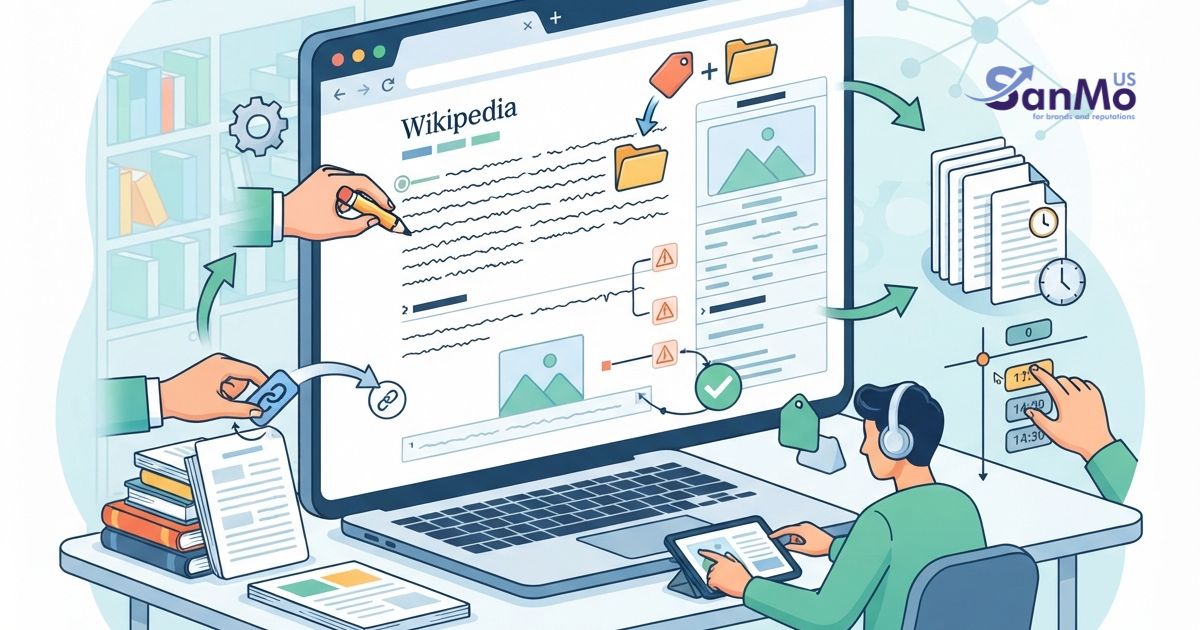
Wikipedia Page Management involves supporting the development, review, monitoring, and maintenance of Wikipedia-related content while respecting the platform’s rules. With the right approach, businesses can improve information accuracy, manage outdated details, and build a stronger foundation for online credibility. For businesses seeking professional support, SanMo US offers Wikipedia Page Management services designed to help brands approach Wikipedia-related projects with a structured and policy-conscious strategy.
What Is Wikipedia Page Management?
Wikipedia Page Management is the process of managing and maintaining information related to a business or organization on Wikipedia. It may include evaluating article eligibility, organizing reliable sources, identifying factual errors, monitoring changes, and helping ensure that information remains accurate and neutral.
Unlike traditional marketing, Wikipedia is not a platform for promotional advertising. Articles must be based on reliable, independent sources and written from a neutral point of view. Businesses cannot simply publish promotional content and expect it to remain available.
Key Elements of Wikipedia Page Management
Professional Wikipedia Page Management may involve several important activities:
Notability Assessment: Reviewing whether a business or individual meets Wikipedia’s notability requirements.
Content Research: Collecting reliable, independent sources that support factual information.
Article Development Support: Helping organize relevant information in an encyclopedic format.
Policy Compliance: Ensuring content follows Wikipedia’s editorial guidelines.
Article Monitoring: Watching for outdated information, factual errors, or inappropriate edits.
Content Maintenance: Supporting corrections and updates when reliable sources are available.
The goal is to support accurate public information rather than create exaggerated claims or guaranteed promotional visibility.
Why Wikipedia Matters for Business Credibility

Wikipedia as a Source of Public Information
Wikipedia is widely recognized as an online encyclopedia where people research companies, public figures, industries, and historical events. When a business has a legitimate, well-sourced article, it can provide readers with a central place to understand its background.
A properly maintained article may include information about a company’s founding, business activities, notable milestones, leadership, and industry contributions, depending on available sources and Wikipedia’s editorial standards. This can help customers and business professionals understand the organization more clearly.
Building Trust Through Reliable Information
Credibility is influenced by the quality and consistency of information available about a business. If company details are unclear, outdated, or contradictory across the internet, potential customers may find it difficult to assess the organization. Wikipedia Page Management supports the accuracy of relevant information by encouraging reliable sourcing and careful review.
However, a Wikipedia article does not automatically prove that a company is trustworthy. Readers should evaluate the sources, and businesses must avoid treating Wikipedia as a substitute for independent reputation-building.
Supporting Brand Recognition
Businesses operate in competitive markets where recognition matters. A company that has received significant independent coverage may benefit from having its history and achievements documented in an encyclopedic format.
Wikipedia can help organize information about notable organizations and make that information easier for readers to explore. The opportunity depends on whether the business qualifies for an article and whether independent sources support the content.
How Wikipedia Page Management Supports Business Growth
1. Strengthens Brand Credibility
A business’s online reputation can influence customer decisions, partnership opportunities, and professional relationships. Accurate, independently sourced information may help establish a stronger foundation for brand credibility. Wikipedia Page Management supports this by focusing on factual information, reliable references, and neutral presentation.
For example, a company with substantial independent coverage may benefit from a well-maintained article that explains its history and industry contributions. Readers can explore the sources and form their own opinions. This approach is more sustainable than using exaggerated promotional claims.
2. Improves Online Information Consistency
Businesses often have information published across websites, news articles, directories, and social media platforms. Over time, company names, founding dates, leadership details, or business descriptions may change. Inaccurate information can create confusion for potential customers and partners.
Professional Wikipedia Page Management can help identify outdated or incorrect information related to a Wikipedia article. Where reliable sources support a correction, appropriate updates may be proposed or made according to Wikipedia’s rules. This supports better information consistency without compromising editorial independence.
3. Supports Customer Research
Before contacting a business, customers may research its background, services, reputation, and industry presence. A relevant Wikipedia article can serve as an additional source of background information when one exists.
A clear article may help readers understand:
-
The company’s history and development.
-
Its notable products or services.
-
Important milestones.
-
Industry recognition.
-
Relevant independent coverage.
Wikipedia should not be used to replace a company’s official website, customer reviews, or direct communication. Instead, it can provide additional context for people conducting research.
4. Helps Businesses Present Their History Accurately
A company’s history can be an important part of its identity. Founding stories, major achievements, acquisitions, innovations, and industry contributions may be relevant to an encyclopedic article. However, these details should be supported by reliable sources and written without promotional exaggeration.
Wikipedia Page Management helps businesses identify relevant historical information and organize it in a way that follows Wikipedia’s standards. This can be particularly useful for established organizations with a substantial public record.
5. Supports Long-Term Reputation Management
Online reputation management is not only about responding to negative reviews or publishing positive content. It also involves monitoring how a business is represented across important information sources.
Wikipedia Page Management can form one part of a broader reputation strategy by helping businesses monitor relevant article changes and identify factual inaccuracies.
For example, if a reliable source confirms that a company has changed its name or leadership, the business may need to review whether the Wikipedia article contains outdated information. The focus should remain on accuracy rather than controlling independent editorial opinions.
Important Wikipedia Policies Businesses Should Understand
Wikipedia Notability Requirements
Wikipedia articles must meet the platform’s notability standards. Notability generally depends on significant coverage in reliable, independent sources. A company’s own website, press releases, paid advertisements, or self-published content usually cannot establish notability on their own. Before beginning an article project, businesses should assess whether sufficient independent coverage exists.
Neutral Point of View
Wikipedia requires articles to be written from a neutral point of view. This means content should present information fairly and avoid advertising language.
Statements such as “the world’s best company” or “the leading provider” require reliable independent sourcing and appropriate context. Unsupported promotional claims do not belong in an encyclopedia article.
Reliable and Independent Sources
Reliable sources are essential for Wikipedia content. Depending on the subject, relevant sources may include reputable news publications, books, academic publications, and other trustworthy independent references. A company’s own website can help verify basic facts, but it does not replace independent coverage when establishing notability.
Conflict of Interest
Businesses and their employees may have a conflict of interest when editing their own Wikipedia articles. Wikipedia strongly discourages promotional editing by people connected to the subject.
Professional Wikipedia Page Management should respect these concerns. Businesses can suggest corrections or propose changes through appropriate channels rather than attempting to control the article.
How SanMo US Supports Wikipedia Page Management
 SanMo US provides digital marketing and online reputation-related services for businesses seeking to strengthen their online presence. Its Wikipedia Page Management offering can be positioned as a structured support service for businesses that need help understanding Wikipedia-related requirements and maintaining accurate information.
Research and Eligibility Review
A useful starting point is reviewing the business’s existing public information and independent media coverage. SanMo US can help businesses understand whether their available sources may support a Wikipedia-related project. This assessment is important because not every business qualifies for a Wikipedia article. A professional review can help reduce wasted effort and encourage a realistic strategy.
Content Planning and Source Organization
Wikipedia content requires careful research. Businesses may have valuable information spread across multiple documents and websites. SanMo US can support the organization of relevant facts, source references, company history, and notable achievements for review. The information should be presented in an objective format and supported by reliable sources.
Article Monitoring and Maintenance
Wikipedia articles can change over time. Information may become outdated, sources may change, or editors may add new material. Monitoring helps identify areas that may require review.
When appropriate, corrections and updates can be proposed through Wikipedia’s editorial processes. This helps support article accuracy while respecting independent editing.
Reputation-Focused Digital Support
Wikipedia Page Management can be part of a broader online reputation strategy. Businesses may also need support with brand monitoring, public relations, search engine optimization, and content management.
SanMo US can help businesses consider how these activities work together to create a consistent and credible online presence. However, Wikipedia should always remain an independent editorial platform rather than a promotional channel.
Best Practices for Successful Wikipedia Page Management
Focus on Accuracy, Not Promotion
The strongest Wikipedia-related strategy is to provide accurate, verifiable information. Promotional language, exaggerated claims, and unsupported achievements can damage credibility. Businesses should focus on facts that reliable sources can support.
Use Independent Media Coverage
Independent sources are essential for establishing notability and supporting important claims. Businesses should identify meaningful coverage rather than relying only on their own website or press releases. The quality and independence of sources are more important than the number of references.
Keep Information Updated
Relevant factual information should be reviewed periodically. Changes in leadership, business structure, company name, or major developments may require updates when supported by reliable sources. Updates should follow Wikipedia’s editorial policies.
Avoid Guaranteed Wikipedia Results
No legitimate Wikipedia service provider can guarantee that an article will be created, approved, or remain published. Wikipedia decisions are made through independent editorial processes. Businesses should be cautious of providers promising guaranteed approval, permanent placement, or complete control over an article.
Work With Experienced Professionals
Wikipedia has detailed policies and community expectations. A professional service provider can help businesses understand these requirements and avoid common mistakes. The right provider should prioritize transparency, source quality, and compliance rather than making unrealistic promises.
Common Challenges in Wikipedia Page Management
Article Rejection
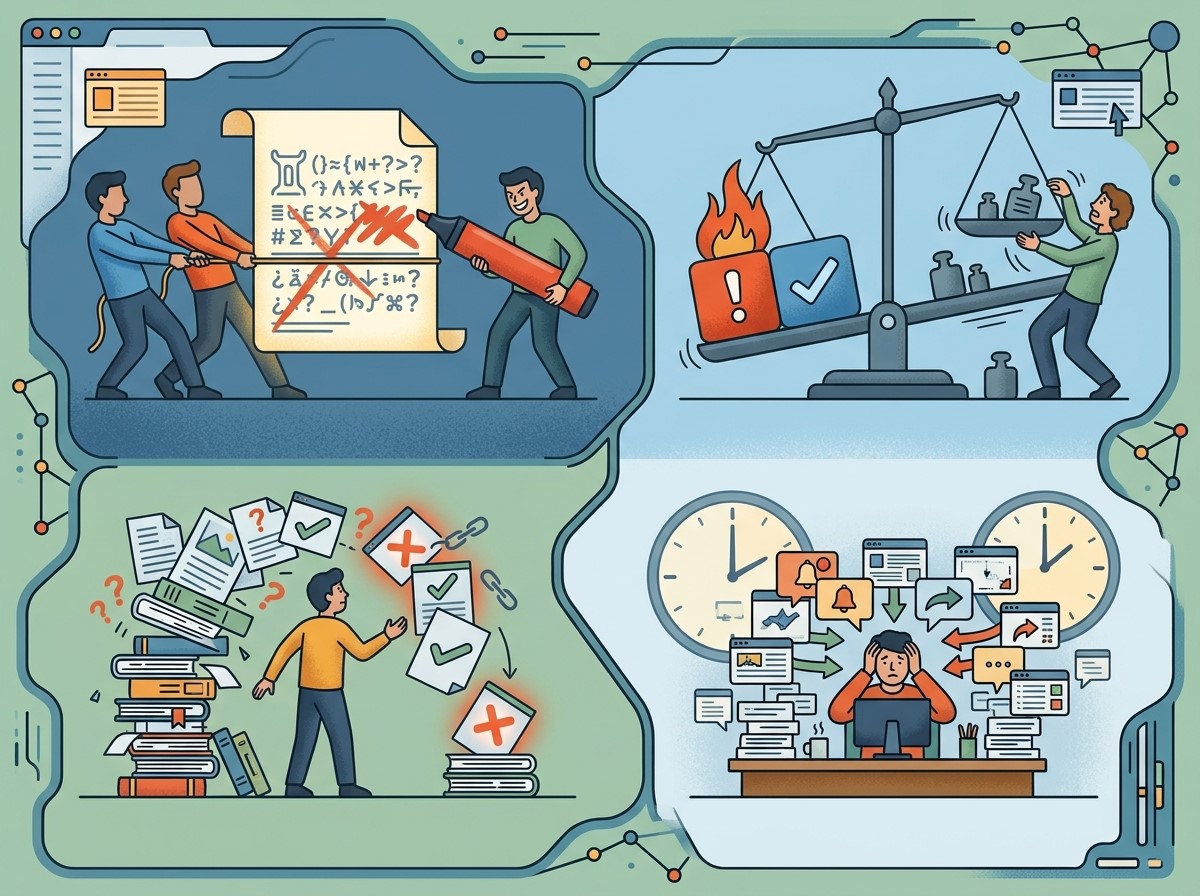
An article may be rejected if the subject does not meet Wikipedia’s notability standards or if the content is promotional. Businesses should understand that rejection does not necessarily mean their organization lacks value. It may simply indicate that sufficient independent coverage is not available.
Promotional Content
Marketing language is one of the most common problems in business-related Wikipedia articles. Phrases that praise a company without reliable support may be removed. Content should be written in a neutral, encyclopedic style.
Lack of Independent Sources
A business may have a strong official website but limited independent media coverage. In this situation, creating a Wikipedia article may not be appropriate. A source review can help businesses determine whether they have a realistic opportunity.
Ongoing Editorial Changes
Wikipedia is collaboratively edited. Articles may change after publication, and businesses cannot fully control the content. Professional monitoring can help identify factual problems, but all changes must respect Wikipedia’s policies and editorial independence.
Why Choose SanMo US for Wikipedia Page Management?
Choosing the right service provider is important for businesses that want to approach Wikipedia responsibly. SanMo US focuses on digital marketing and online reputation services. Its Wikipedia Page Management service can support businesses through research, content planning, monitoring, and policy-conscious maintenance.
Professional Research Support
A structured research process helps identify relevant sources and factual information before any article-related work begins.
Policy-Aware Content Strategy
Wikipedia requires a different approach from traditional SEO and marketing. Content must be neutral, reliable, and appropriate for an encyclopedia.
Reputation and Visibility Focus
Wikipedia-related work can complement broader digital marketing activities, including reputation management and online brand visibility.
Long-Term Support
Wikipedia Page Management is not necessarily a one-time activity. Businesses may need ongoing monitoring and information review as their public profile develops.
Conclusion
Wikipedia Page Management can support business credibility, information accuracy, and online reputation when handled responsibly. For businesses that meet Wikipedia’s notability requirements, a well-sourced and neutral article may provide valuable background information for customers, partners, and industry professionals. However, Wikipedia is not an advertising platform. Success depends on independent sources, editorial policies, accurate content, and respect for community standards.
Businesses should focus on maintaining factual information rather than seeking guaranteed approval or promotional control. With professional guidance from SanMo US, organizations can better understand Wikipedia-related requirements and develop a responsible approach to article research, content management, and monitoring.
Frequently Asked Questions (FAQs)
1. What is Wikipedia Page Management?
Wikipedia Page Management involves researching, monitoring, and maintaining information related to a Wikipedia article. It focuses on accuracy, reliable sources, policy compliance, and appropriate content updates.
2. How does Wikipedia Page Management support business credibility?
It can help businesses maintain accurate, independently sourced information about their history and notable achievements. A relevant article may provide additional context for people researching the organization.
3. Can every business create a Wikipedia page?
No. Businesses must meet Wikipedia’s notability requirements and have sufficient reliable, independent coverage. A company’s own website alone usually does not establish notability.
4. Can Wikipedia improve a company’s Google rankings?
A Wikipedia article may contribute to broader online visibility, but it does not guarantee higher Google rankings. Search performance depends on many factors, including relevance, content quality, technical SEO, and authority.
5. Is Wikipedia Page Management a marketing service?
It is better understood as an information and editorial support service. Wikipedia content must follow neutral, reliable, and independent editorial standards rather than promotional marketing practices.
6. What sources are needed for a Wikipedia article?
Relevant sources may include reputable news publications, books, academic publications, and other reliable independent references. The appropriate sources depend on the subject and the claims being made.
7. Can SanMo US guarantee Wikipedia article approval?
No legitimate provider can guarantee Wikipedia approval or permanent publication. Article decisions depend on Wikipedia’s editorial policies and independent editors.
8. Why is Wikipedia neutrality important?
Neutrality helps ensure that articles present information fairly and avoid advertising language. This improves the reliability and usefulness of Wikipedia as an encyclopedia.
9. How often should a Wikipedia article be monitored?
Monitoring frequency depends on the subject, article activity, and business needs. Regular review can help identify outdated information or factual issues that may require attention.