
Your website might look stunning, but if it loads slowly, confuses visitors, or hides from search engines, it won’t bring in the traffic your business deserves. The truth is, web design and development play a far bigger role in SEO than most people realize. They’re not separate from your search rankings—they’re woven directly into them.
Search engines like Google reward sites that offer fast, accessible, and well-structured experiences. That means every design choice, from your navigation menu to your image sizes, can either boost or bury your visibility online. When design and development work hand in hand with SEO best practices, the result is a website that ranks higher, attracts more visitors, and converts them into customers.
In this post, we’ll break down exactly how web design and development affect your SEO and online visibility. You’ll learn which technical and creative elements matter most, why they influence your rankings, and how to build a site that pleases both search engines and real people. Whether you’re planning a redesign or building from scratch, these insights will help you make smarter decisions.
Why Web Design and Development Matter for SEO
Many business owners treat web design & development, and SEO as three separate projects. In reality, they’re deeply connected. A beautiful website with poor code won’t rank well. A technically sound website with a confusing layout will frustrate users and drive them away.
Search engines evaluate websites based on how useful and accessible they are to visitors. Google’s algorithms now factor in user experience signals, page speed, mobile-friendliness, and site structure when deciding where to rank your pages. All of these elements are determined during the design and development process.
At SanMo US, we believe great SEO starts at the foundation. When you bake search optimization into your design and development from day one, you avoid costly fixes later and give your website the strongest possible chance to perform.
How Site Structure Affects Search Rankings
The way your website is organized has a direct impact on how search engines crawl and index your content. A clear, logical structure helps Google understand which pages matter most and how they relate to one another.
Clean URL Structures
Search engines and users both prefer simple, descriptive URLs. A URL like this yoursite.com/web-design-services tells visitors and search engines exactly what the page is about. Compare that to a messy string of numbers and symbols, which offers no useful information.
During development, your team should create URLs that are short, readable, and keyword-relevant. This small detail can improve both your rankings and your click-through rates.
Logical Navigation and Internal Linking
A well-planned navigation menu guides users to the content they want while helping search engines discover every important page. Internal links pass authority between pages and signal which content is most valuable.
Think of internal linking as a roadmap. When you connect related pages thoughtfully, you help search engines crawl your site efficiently and keep visitors engaged longer.
Sitemaps and Crawlability
An XML sitemap acts as a directory of all your important pages, making it easier for search engines to find and index them. Developers should generate and submit a sitemap to ensure no valuable content gets overlooked.
Why Page Speed Is a Ranking Factor
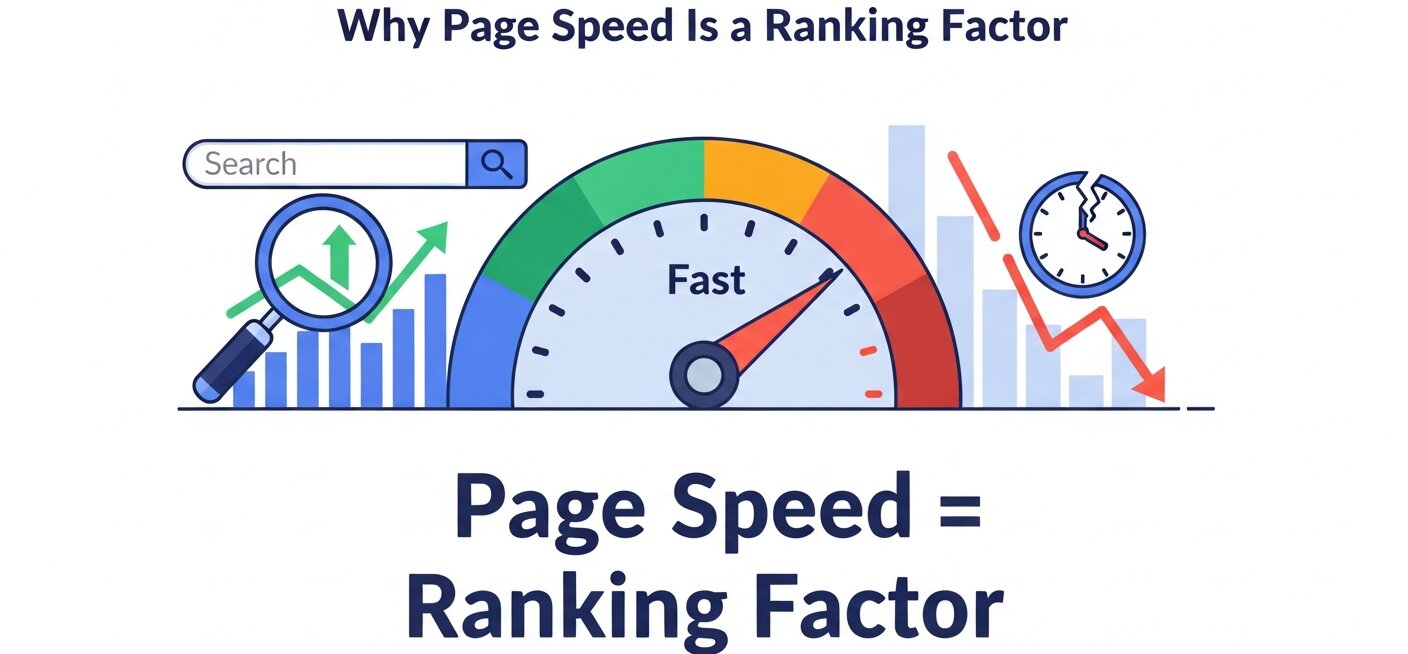 Speed matters more than ever. According to Google, page speed is a confirmed ranking factor for both desktop and mobile searches. Slow-loading pages frustrate users and increase bounce rates, which signals to search engines that your site may not deliver a good experience.
Several development choices influence how fast your pages load:
- Image optimization: Large, uncompressed images are one of the most common causes of slow websites. Compressing images and using modern formats like WebP can dramatically improve load times.
- Clean, efficient code: Bloated code and unnecessary scripts slow everything down. Minifying CSS, JavaScript, and HTML helps pages load faster.
- Caching and content delivery: Browser caching and content delivery networks store your site’s resources closer to users, reducing load times across different locations.
A site that loads in under three seconds keeps visitors happy and search engines satisfied. Every second of delay can cost you both rankings and conversions.
How Mobile-Friendly Design Boosts Visibility
More than half of all web traffic now comes from mobile devices. Google uses mobile-first indexing, which means it primarily looks at the mobile version of your site to determine rankings. If your website isn’t optimized for phones and tablets, you’re likely losing valuable visibility.
Responsive web design ensures your site adapts smoothly to any screen size. Text stays readable, buttons remain easy to tap, and images scale correctly. This approach not only pleases search engines but also creates a better experience for the growing number of mobile users.
When we build websites at SanMo US, mobile responsiveness is never an afterthought. It’s a core part of the design and development process, because we know it directly affects both rankings and user satisfaction.
Why User Experience Influences SEO
 User experience, often shortened to UX, has become one of the most important factors in modern SEO. Search engines track how visitors interact with your site, and those signals influence your rankings.
Core Web Vitals
Google’s Core Web Vitals measure three key aspects of user experience: loading performance, interactivity, and visual stability. Sites that score well on these metrics tend to rank higher. Strong development practices, like optimizing load order and reducing layout shifts, help you meet these benchmarks.
Intuitive Design and Engagement
When visitors can find what they need quickly, they stay longer and explore more pages. These positive engagement signals tell search engines your content is valuable. On the other hand, a cluttered or confusing layout sends people away, raising your bounce rate.
Good design reduces friction at every step. Clear calls to action, readable fonts, and thoughtful white space all contribute to a smoother experience that keeps visitors engaged.
How Technical SEO Lives in Your Code
Some of the most powerful SEO factors are invisible to the average visitor but essential for search engines. These technical elements are built directly into your website’s code during development.
Structured Data and Schema Markup
Schema markup is a type of code that helps search engines understand your content more deeply. It can power rich results like star ratings, FAQs, and event details in search listings. Adding structured data during development can make your pages stand out and improve click-through rates.
Header Tags and Semantic HTML
Proper use of header tags (H1, H2, H3) creates a clear content hierarchy that both users and search engines can follow. Semantic HTML, which uses meaningful tags to describe content, further helps search engines interpret your pages accurately.
Secure HTTPS Connections
Security is a confirmed ranking signal. Websites with HTTPS encryption protect user data and earn more trust from both visitors and search engines. Every modern website should use an SSL certificate as a baseline standard.
How Accessible Design Expands Your Reach
 Accessibility means building websites that everyone can use, including people with disabilities. Beyond being the right thing to do, accessible design often overlaps with SEO best practices.
For example, descriptive alt text on images helps screen readers describe visuals to blind users—and it also gives search engines context about your images. Clear heading structures aid both navigation tools and search crawlers. Captions and transcripts make video content accessible while creating crawlable text for search engines.
By designing with accessibility in mind, you widen your audience and strengthen your SEO at the same time.
The Role of Content Architecture in SEO Success
Content architecture is the blueprint that organizes information across your website, making it easier for both users and search engines to navigate. A well-planned content hierarchy groups related pages into logical categories and connects them through strategic internal links. This structure helps search engines understand the relationships between your pages and identify your most valuable content. It also encourages visitors to explore multiple sections of your website instead of leaving after viewing a single page. Consistent page templates, clear navigation paths, and descriptive category labels all contribute to a stronger content architecture. When your website is organized around user intent rather than guesswork, search engines can crawl it more efficiently, leading to better indexing, improved keyword relevance, and stronger long-term visibility in search results.
The Importance of Optimized Visual Elements
Images, videos, icons, and graphics make a website more engaging, but they also influence SEO performance when managed correctly. Oversized media files can slow down loading times, while poorly optimized visuals may prevent search engines from understanding your content. Developers and designers should compress images, use modern file formats, and provide descriptive file names and alt text for every visual asset. Responsive images ensure content displays correctly across different devices without sacrificing speed. Videos should include captions and structured metadata to improve accessibility and discoverability. By treating visual content as part of your SEO strategy rather than simply decoration, you create a website that loads faster, provides a better user experience, and gives search engines more context about your pages, resulting in stronger online visibility.
Why Ongoing Website Maintenance Supports SEO
SEO doesn’t end when your website goes live. Regular maintenance is essential for preserving search rankings and ensuring your site continues to perform at its best. Over time, broken links, outdated plugins, security vulnerabilities, and slow-loading pages can negatively affect both user experience and search visibility. Routine technical audits help identify issues before they impact rankings, while software updates improve security and compatibility with modern browsers. Monitoring analytics also reveals opportunities to optimize underperforming pages and refine your content strategy. Search engines favor websites that remain secure, relevant, and technically sound, making ongoing maintenance a valuable investment. By continuously improving your website instead of treating it as a one-time project, you create a stronger foundation for sustainable organic traffic and long-term business growth.
Frequently Asked Questions
Does web design really affect SEO?
Yes. Web design directly affects SEO through factors like page speed, mobile-friendliness, site structure, and user experience. Search engines reward sites that are fast, easy to navigate, and pleasant to use, so thoughtful design choices can significantly improve your rankings.
How long does it take to see SEO results after a redesign?
Most websites start to see SEO improvements within three to six months after a well-executed redesign. The exact timeline depends on factors like your industry, competition, and how many technical issues were fixed. Patience and consistent optimization are key.
What is the difference between web design and web development in SEO?
Web design focuses on the visual and user-experience side, such as layout, colors, and navigation. Web development handles the technical side, including coding, page speed, and structured data. Both work together to support strong SEO performance.
Is page speed more important than design quality for SEO?
Both matter, but they serve different roles. Page speed is a direct ranking factor, while design quality affects engagement and conversions. The strongest websites optimize for both, since fast load times and great design work together to improve visibility and results.
Do I need to redesign my entire site to improve SEO?
Not always. Sometimes targeted fixes—like improving page speed, adding structured data, or making your site mobile-friendly—can boost SEO without a full redesign. An audit can reveal whether small changes will suffice or a larger overhaul is worth the investment.
Building a Website That Ranks and Converts
 The best websites balance form and function. They look great, work smoothly, and rank well because design, development, and SEO are treated as one unified strategy rather than separate tasks.
At SanMo US, we approach every project with this mindset. We combine creative design, clean development, and proven SEO techniques to build websites that don’t just look good—they deliver real results. From fast load times to mobile responsiveness and technical optimization, every detail is crafted to help your business stand out online.
If you’re ready to improve your search rankings and online visibility, start by auditing your current website. Look at your page speed, mobile experience, site structure, and technical health. Fixing these foundational elements can unlock meaningful growth. And when you’re ready for expert help, our team is here to build a website that works as hard as you do.