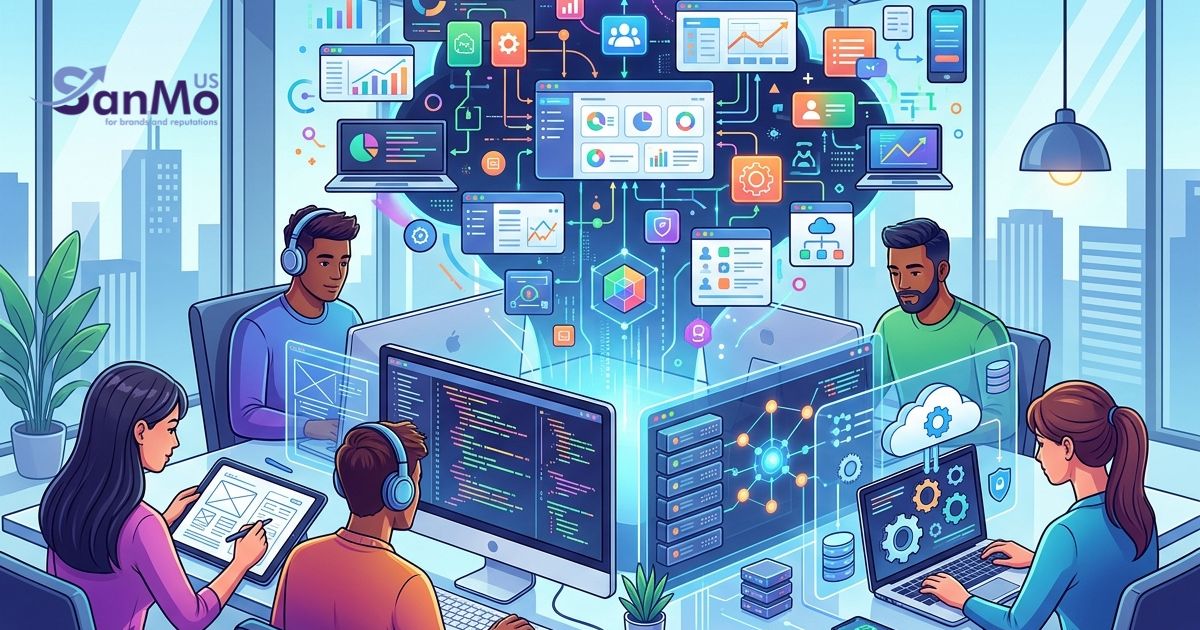
Bringing a new software concept to life requires more than just a good idea. You need a reliable technical foundation, a deep understanding of user behavior, and a scalable architecture. The subscription software model is highly lucrative, but the barrier to entry can be high without the right technical expertise. Developing a platform that handles thousands of concurrent users, keeps data secure, and integrates seamlessly with other tools is a complex engineering challenge.
This is exactly why businesses rely on professional SaaS development services. Partnering with an experienced technical team allows founders to focus on marketing and sales while experts handle the code. A dedicated development agency brings years of experience in database architecture, user interface design, and cloud hosting infrastructure. They know how to avoid common pitfalls that can delay a launch or cause a system crash during high-traffic events.
At SanMo US, we specialize in turning complex software ideas into profitable, user-friendly platforms. We guide organizations through the entire technical lifecycle, ensuring the final product aligns perfectly with business goals. By leveraging proven frameworks and agile methodologies, we help businesses launch faster, scale smarter, and maintain a competitive edge in their respective markets.
Understanding SaaS Development Services
Creating a subscription-based software product is fundamentally different from building a traditional mobile app or static website. SaaS development services encompass the entire lifecycle of building, launching, and maintaining cloud-based software. This includes initial market research, wireframing, backend engineering, cloud deployment, and ongoing technical support.
Professional developers focus heavily on multi-tenant architecture. This approach allows a single instance of the software to serve multiple customers securely. Each customer’s data remains entirely isolated, even though they share the same underlying infrastructure. Building this type of architecture requires specialized knowledge to ensure maximum security, high performance, and cost-effective server resource management.
Furthermore, these services prioritize continuous integration and continuous deployment (CI/CD). Instead of waiting months for massive software updates, development teams push small, regular improvements. This keeps the software secure, introduces new features rapidly based on user feedback, and ensures the platform remains highly competitive.
The Journey from Concept to Cloud
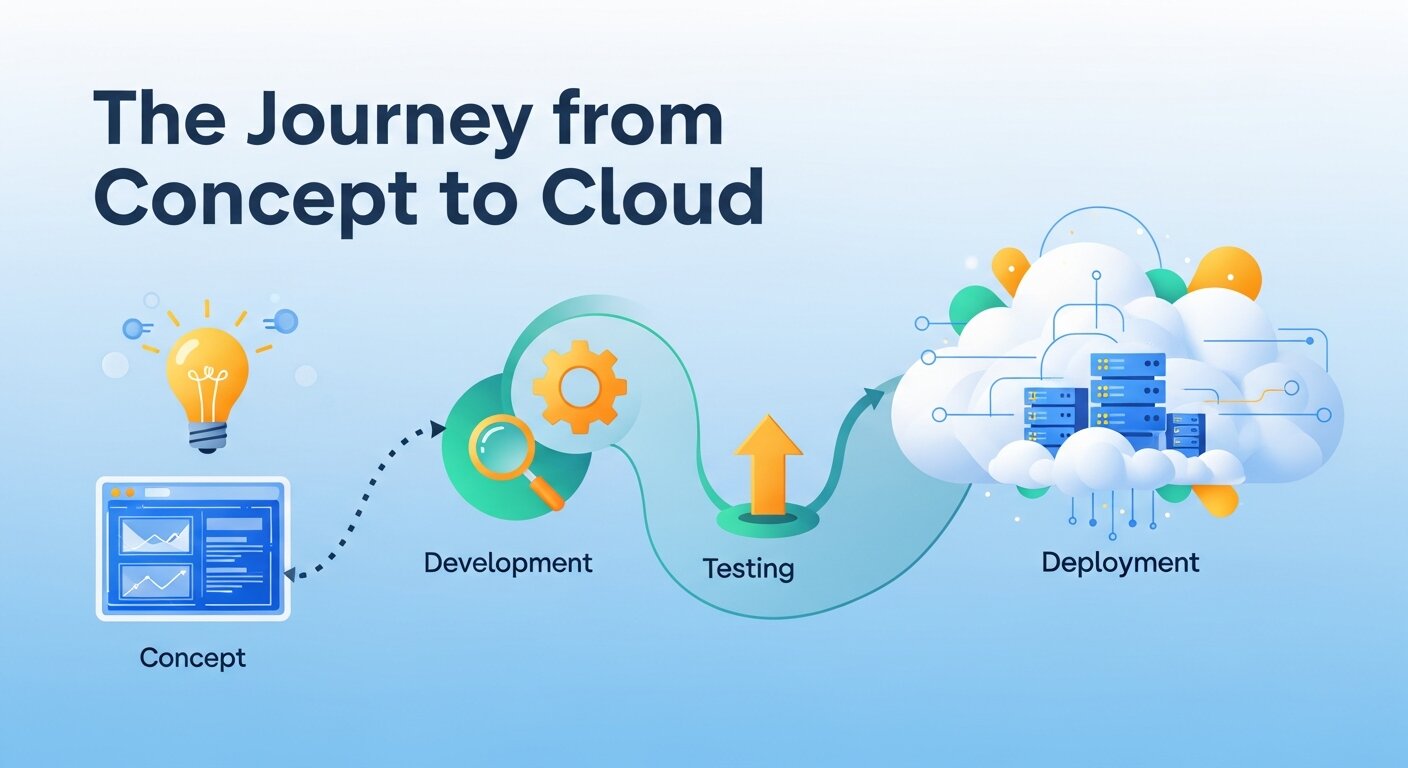 Building a profitable platform requires a systematic approach. Skipping steps can lead to technical debt, poor user experiences, and wasted budgets. Here is how a professional development cycle typically unfolds.
Strategy and Validation
Before writing a single line of code, the development team must fully understand the business objectives. We analyze the target audience, study market competitors, and define the core problem the software will solve. This phase often involves creating a minimum viable product (MVP) roadmap. By identifying the most critical features needed for launch, businesses can enter the market quickly and start generating revenue while secondary features remain in development.
UI/UX Design for User Retention
A brilliant technical backend means very little if users find the interface confusing. User interface and user experience design are critical components of SaaS development services. Designers create wireframes and interactive prototypes to map out the user journey. The goal is to make onboarding as frictionless as possible. Clear navigation, intuitive dashboards, and responsive layouts keep users engaged and reduce churn rates over time.
Agile Development and Testing
Once the designs are approved, the engineering phase begins. Developers use agile methodologies to build the software in manageable sprints. This allows for regular progress reviews and ensures the project stays on track. Quality assurance testing happens concurrently. Automated testing scripts and manual quality checks identify bugs, security vulnerabilities, and performance bottlenecks long before the software reaches the public.
Launch and Ongoing Maintenance
Deploying the platform to cloud servers like AWS, Google Cloud, or Azure is a major milestone. However, the work does not stop at launch. Software requires constant monitoring and updates. User feedback will dictate new feature requests, and security protocols must evolve to meet new threats. Ongoing maintenance ensures the platform remains stable as the user base grows from hundreds to thousands.
Why Choose SanMo US for Your Software Needs?
Selecting the right technical partner can make or break a software startup. At SanMo US, we bring a wealth of experience to every project. We understand that businesses need reliable, scalable, and secure applications to succeed in competitive markets.
Expertise in Scalable Architecture
We build platforms designed for growth. If a marketing campaign goes viral, the underlying infrastructure must handle the sudden spike in traffic without slowing down. Our engineers specialize in microservices and load balancing, ensuring your application performs flawlessly under pressure. You never have to worry about outgrowing your software.
Focus on Security and Compliance
Data breaches destroy trust and ruin reputations. SanMo US implements rigorous security protocols from day one. We ensure all data is encrypted both at rest and in transit. If your platform handles sensitive medical or financial data, we build systems that comply fully with regulations like HIPAA or SOC2. Security is never an afterthought; it is woven directly into the platform’s foundation.
Cost-Effective Development Cycles
Wasted time equals wasted money. We utilize agile development practices to keep projects moving efficiently. By focusing on rapid iterations and clear communication, we prevent scope creep and ensure your budget is utilized effectively. Our goal is to deliver maximum value, helping you achieve a rapid return on investment.
Key Features Every Profitable SaaS Needs
While every software product is unique, certain foundational features are universally required for a successful subscription business.
Automated Billing Systems
Managing subscriptions manually is impossible at scale. Integrating robust billing systems like Stripe or Chargebee allows you to automate recurring payments, handle trial periods, and manage upgrades or downgrades seamlessly.
Seamless Third-Party Integrations
Your platform will not exist in a vacuum. Users expect your software to communicate with the tools they already use. Providing robust APIs and native integrations with popular CRMs, email marketing platforms, and accounting software significantly increases the value of your product.
Comprehensive Admin Dashboards
You need deep visibility into your platform’s performance. A powerful administrative dashboard allows you to track user growth, monitor server health, manage customer support tickets, and analyze revenue metrics all in one place.
Market Trends Shaping SaaS Development
 The SaaS industry continues to evolve rapidly as businesses increasingly shift toward cloud-based solutions. One major trend is the rise of AI-powered features, enabling platforms to offer predictive analytics, automation, and personalized user experiences. Another key trend is vertical SaaS, where solutions are tailored for specific industries such as healthcare, finance, or education. Additionally, low-code and no-code integrations are becoming more common, allowing users to customize workflows without deep technical knowledge. Subscription flexibility is also gaining traction, with usage-based pricing models replacing fixed plans. Staying aligned with these trends ensures that your SaaS product remains competitive, future-ready, and capable of meeting modern user expectations.
Importance of Scalability in SaaS Platforms
Scalability is one of the most critical factors in SaaS development. A platform must be capable of handling growth without compromising performance or user experience. As user demand increases, your system should seamlessly scale resources such as storage, processing power, and bandwidth. Cloud-native architectures play a key role in achieving this flexibility. By leveraging containerization and distributed systems, developers can ensure that the application adapts to varying workloads. Poor scalability planning often leads to slow load times, crashes, and customer dissatisfaction. Investing in scalable infrastructure from the beginning allows your SaaS product to grow efficiently, support global users, and maintain consistent performance during traffic spikes.
Role of Data Analytics in SaaS Success
 Data analytics plays a vital role in driving the success of SaaS platforms. By collecting and analyzing user data, businesses can gain insights into customer behavior, preferences, and engagement patterns. This information helps improve product features, optimize user experience, and reduce churn rates. Advanced analytics tools enable real-time monitoring of key performance indicators such as user acquisition, retention, and revenue growth. Predictive analytics can also forecast trends and guide strategic decisions. Incorporating data-driven strategies ensures that your SaaS platform evolves based on actual user needs rather than assumptions. Ultimately, effective use of analytics empowers businesses to make informed decisions and maintain a competitive edge.
Enhancing Customer Support in SaaS Products
Customer support is a crucial component of any successful SaaS platform. Users expect quick resolutions to their issues, especially when they rely on your software for daily operations. Implementing multiple support channels such as live chat, email, and knowledge bases improves accessibility and satisfaction. AI-powered chatbots can handle common queries, reducing response times and operational costs. Additionally, proactive support strategies like onboarding tutorials and in-app guidance help users navigate the platform more efficiently. Regular feedback collection allows businesses to identify pain points and improve their services. Strong customer support not only enhances user experience but also builds trust, encourages loyalty, and reduces churn over time.
Security Best Practices for SaaS Applications
Security is a top priority in SaaS development, as platforms often handle sensitive user data. Implementing robust authentication methods such as multi-factor authentication (MFA) significantly reduces the risk of unauthorized access. Data encryption, both at rest and in transit, ensures that information remains protected from cyber threats. Regular security audits and vulnerability assessments help identify potential risks before they become serious issues. Developers should also follow secure coding practices to minimize exploitable weaknesses. Compliance with industry standards and regulations further strengthens user trust. By prioritizing security from the outset, SaaS providers can protect their users, maintain credibility, and prevent costly data breaches.
The Impact of Cloud Infrastructure on SaaS Growth
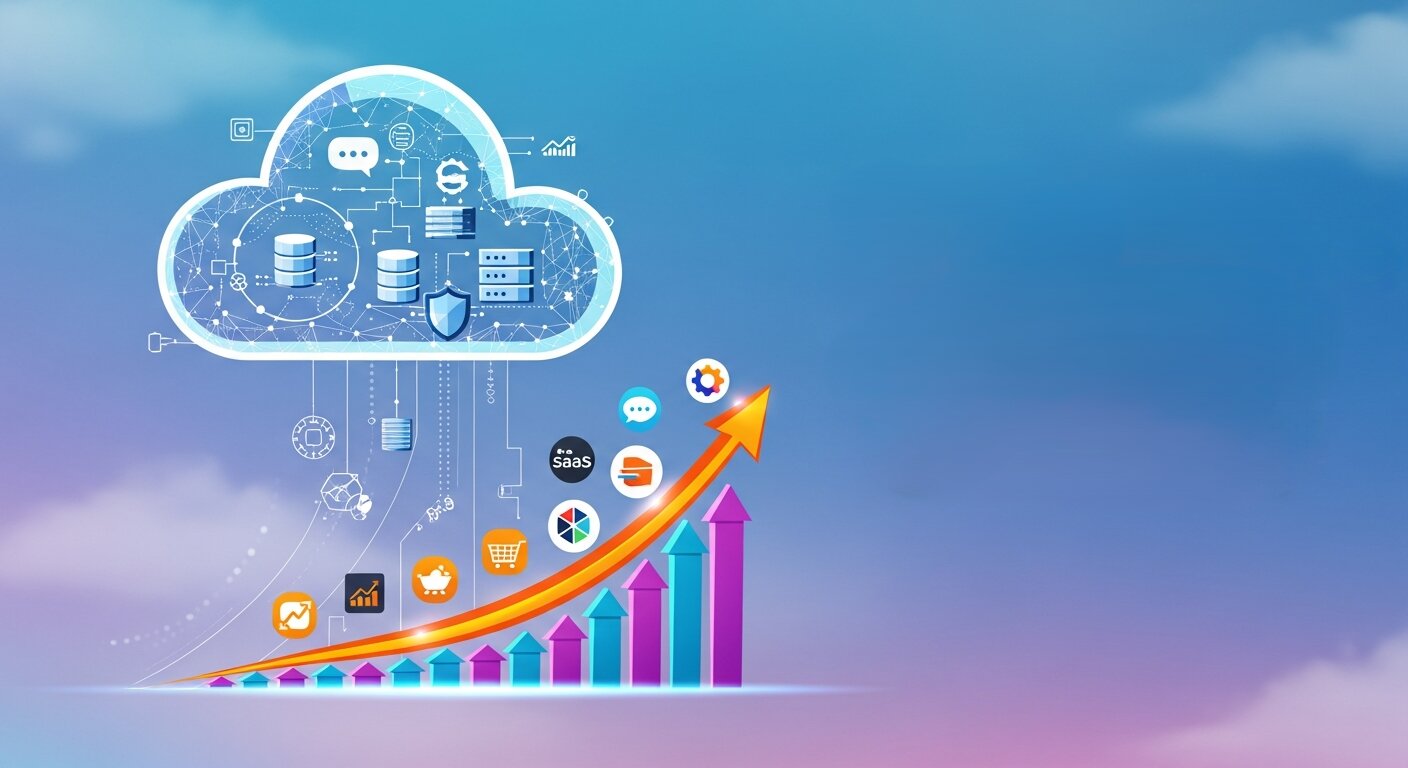 Cloud infrastructure serves as the backbone of modern SaaS platforms. It enables businesses to deploy applications globally, ensuring high availability and low latency for users. Cloud providers offer scalable resources, allowing companies to adjust capacity based on demand. This eliminates the need for heavy upfront investments in physical hardware. Additionally, cloud platforms provide built-in tools for monitoring, security, and disaster recovery. Leveraging cloud-native services accelerates development and simplifies maintenance. As a result, businesses can focus more on innovation and less on infrastructure management. A well-optimized cloud environment is essential for ensuring performance, reliability, and long-term growth in SaaS applications.
Reducing Churn Through Continuous Improvement
Customer churn is one of the biggest challenges for SaaS businesses. Retaining users requires ongoing effort and continuous product improvement. Regular updates based on user feedback demonstrate that the company values its customers and is committed to enhancing their experience. Feature enhancements, performance optimizations, and bug fixes contribute to overall satisfaction. Personalized communication and targeted engagement strategies also help maintain strong relationships with users. Monitoring churn metrics allows businesses to identify patterns and address underlying issues. By focusing on continuous improvement, SaaS companies can increase customer retention, boost lifetime value, and build a loyal user base that supports long-term success.
Future of SaaS Development and Innovation
The future of SaaS development is driven by innovation and emerging technologies. Artificial intelligence, machine learning, and automation will continue to reshape how software is built and used. Edge computing is expected to improve performance by processing data closer to the user. Additionally, the integration of Internet of Things (IoT) devices will expand the capabilities of SaaS platforms across industries. Enhanced personalization and adaptive interfaces will create more engaging user experiences. As competition intensifies, businesses must prioritize innovation to stay ahead. Embracing new technologies and adapting to changing market demands will ensure sustained growth and relevance in the evolving SaaS landscape.
Frequently Asked Questions (FAQ)
How much do SaaS development services cost?
The cost varies heavily based on the complexity of the platform, the number of features required, and the expected user load. A simple minimum viable product might require a modest budget, while an enterprise-grade platform with complex machine learning integrations will require a larger investment. SanMo US provides detailed, transparent estimates after an initial discovery phase.
How long does it take to build a SaaS platform?
Timelines depend on the project’s scope. An MVP can often be designed, built, and launched in three to six months. More complex platforms may require a year or more of dedicated development. We use agile sprints to deliver functional software components regularly, ensuring you see continuous progress.
What technologies does SanMo US use?
We utilize modern, highly supported technology stacks. This often includes React or Vue.js for the front end, Node.js or Python for the backend, and scalable cloud hosting environments like Amazon Web Services (AWS) or Microsoft Azure. We select the specific stack based on the unique requirements of your application.
Take the Next Step with Your Software Idea
Stop letting technical hurdles keep your software ideas from reaching the market. The right technical architecture, combined with a user-focused design, sets the stage for long-term recurring revenue. A professional team ensures your platform is built to scale, secure against threats, and easy for your customers to use.
Reach out to the team at SanMo US today to discuss your vision. We will help you map out a strategy, define your core features, and begin the journey toward launching a successful, profitable application.