Posting consistently and hoping for the best isn’t a strategy. If your follower count has flatlined or your engagement keeps dipping, the problem usually isn’t your product—it’s how you’re managing your social presence.
Strong social media management turns scattered posts into a system that attracts the right audience, builds genuine relationships, and nudges followers toward becoming customers. It’s the difference between shouting into the void and building a community that actually buys what you sell.
In this guide, you’ll find practical, tested social media management tips to grow your reach, gain followers who care, and convert that attention into real results. Whether you’re a solo creator or part of a busy marketing team at SanMo US, these strategies will help you work smarter, not harder.
What Is Social Media Management, Really?
Social media management is the ongoing process of planning, creating, scheduling, publishing, and analyzing content across your social channels. It also includes the parts people often forget—responding to comments, monitoring brand mentions, and adjusting your approach based on what the data tells you.
Good management ties everything together. You’re not just posting for the sake of staying active. Every piece of content serves a purpose: growing awareness, deepening trust, or driving a specific action.
The brands that win on social treat it like a discipline, not an afterthought. They show up with intention, listen to their audience, and refine their approach week after week.
Start With a Strategy, Not a Posting Schedule
Plenty of businesses jump straight into posting without a clear plan. They pick a few platforms, share whatever feels relevant, and wonder why nothing sticks.
A solid strategy answers three questions before you write a single caption.
Who are you trying to reach?
Get specific about your audience. “Everyone” is not a target market. Define their age range, interests, pain points, and the platforms they actually use. A B2B software company will find more traction on LinkedIn, while a fashion brand might thrive on Instagram and TikTok.
What do you want them to do?
Every social media goal should map to a business outcome. Do you want more website traffic? More email sign-ups? More sales? Vague goals like “more engagement” feel good but rarely move the needle. Tie your efforts to measurable results.
How will you measure success?
Pick a handful of metrics that matter and ignore the vanity numbers. Reach, engagement rate, click-through rate, and conversions tell a clearer story than follower count alone. Set benchmarks early so you can track progress honestly.
Know Each Platform’s Strengths
Treating every platform the same is one of the most common social media management mistakes. What works on TikTok will flop on LinkedIn, and vice versa.
- Instagram: Visual storytelling, Reels, and behind-the-scenes content perform best. Strong for lifestyle, retail, and creative brands.
- TikTok: Short, authentic video rules here. Trends move fast, and polish matters less than personality.
- LinkedIn: Professional insights, thought leadership, and industry news. Ideal for B2B and recruiting.
- Facebook: Community building, events, and longer-form updates. Still powerful for reaching older demographics.
- X (Twitter): Real-time conversation, news, and quick commentary.
Tailor your content format and tone to fit each space. A single post repurposed thoughtfully across channels often outperforms identical copy pasted everywhere.
Create Content That Earns Attention
 Reach starts with content people actually want to see. The algorithms reward posts that hold attention and spark interaction, so your job is to give people a reason to stop scrolling.
Lead with value
Before you publish, ask what the viewer gets out of it. Useful tips, entertainment, inspiration, or a fresh perspective all qualify. Promotional content has its place, but a feed that only sells will quickly lose its audience.
Prioritize video
Short-form video continues to dominate organic reach across nearly every platform. You don’t need a studio—a smartphone, decent lighting, and a clear message go a long way. Hook viewers in the first three seconds, or they’ll keep scrolling.
Mix up your formats
Variety keeps your feed fresh and helps you learn what resonates. Rotate between carousels, single images, videos, polls, and stories. Pay attention to which formats drive the most saves, shares, and comments.
Make it shareable
Shares expand your reach far beyond your existing followers. Content that’s relatable, surprising, or genuinely helpful gets passed along. Ask yourself: would someone send this to a friend?
Post Consistently (and at the Right Times)
Consistency signals reliability to both your audience and the algorithm. A sporadic posting habit makes it hard to build momentum or stay top of mind.
You don’t need to post five times a day. Pick a realistic cadence you can maintain—whether that’s three times a week or once daily—and stick to it. Quality always beats quantity.
Timing matters too. Check your platform analytics to see when your audience is most active, then schedule posts to land in those windows. Tools that let you plan and queue content in advance save hours and keep your calendar full without daily scrambling.
Engage Like a Human, Not a Brand
Social media is a two-way street. Posting and ghosting your audience defeats the purpose.
Reply to comments, answer DMs, and join relevant conversations. When someone takes the time to engage with your content, acknowledging them builds loyalty and signals to the algorithm that your account sparks interaction.
Go beyond your own posts, too. Comment on industry conversations, support other creators, and participate in your community. This kind of active presence raises your visibility and positions your brand as approachable and human.
Use Data to Sharpen Your Approach
Guesswork wastes time. The brands that grow fastest are the ones paying close attention to their numbers.
Review your analytics regularly—weekly if you can. Look for patterns in your top-performing posts. What topics, formats, and posting times consistently win? Double down on what works and quietly retire what doesn’t.
A simple monthly audit can reveal a lot:
- Which posts drove the most reach and engagement?
- Which converted followers into clicks or customers?
- Where did you lose momentum?
Let the data guide your next round of content rather than relying on gut feeling alone.
Turn Followers Into Customers
Growing your audience means little if it doesn’t support your business. Conversion is where social media management pays off.
Add clear calls to action
Tell people what to do next. Whether it’s “shop now,” “read the full guide,” or “sign up for free,” a direct CTA removes friction and guides your audience toward action.
Optimize your profile
Your bio is prime real estate. Make sure it clearly states who you are, what you offer, and includes a link to your website, store, or landing page. A clean, compelling profile turns curious visitors into followers and customers.
Use social proof
Customer reviews, testimonials, and user-generated content build trust faster than any sales pitch. Share real stories from happy customers to show that your product delivers.
Build a sales funnel
Not every follower is ready to buy today. Nurture them with a mix of awareness, consideration, and conversion content. Guide them gently from first impression to final purchase.
Bring It All Together With SanMo US
Effective social media management isn’t about doing everything—it’s about doing the right things consistently. Start with a clear strategy, create content worth sharing, engage genuinely, and let your data steer your decisions.
Growth takes patience. Stick with these social media management tips, refine your approach as you learn, and the results will compound over time. The brands that treat social as a long-term investment, not a quick fix, are the ones that build lasting communities and steady conversions.
Ready to take the next step? SanMo US can help you streamline your social media management and turn your channels into reliable growth engines.
Leverage User-Generated Content for Authentic Growth
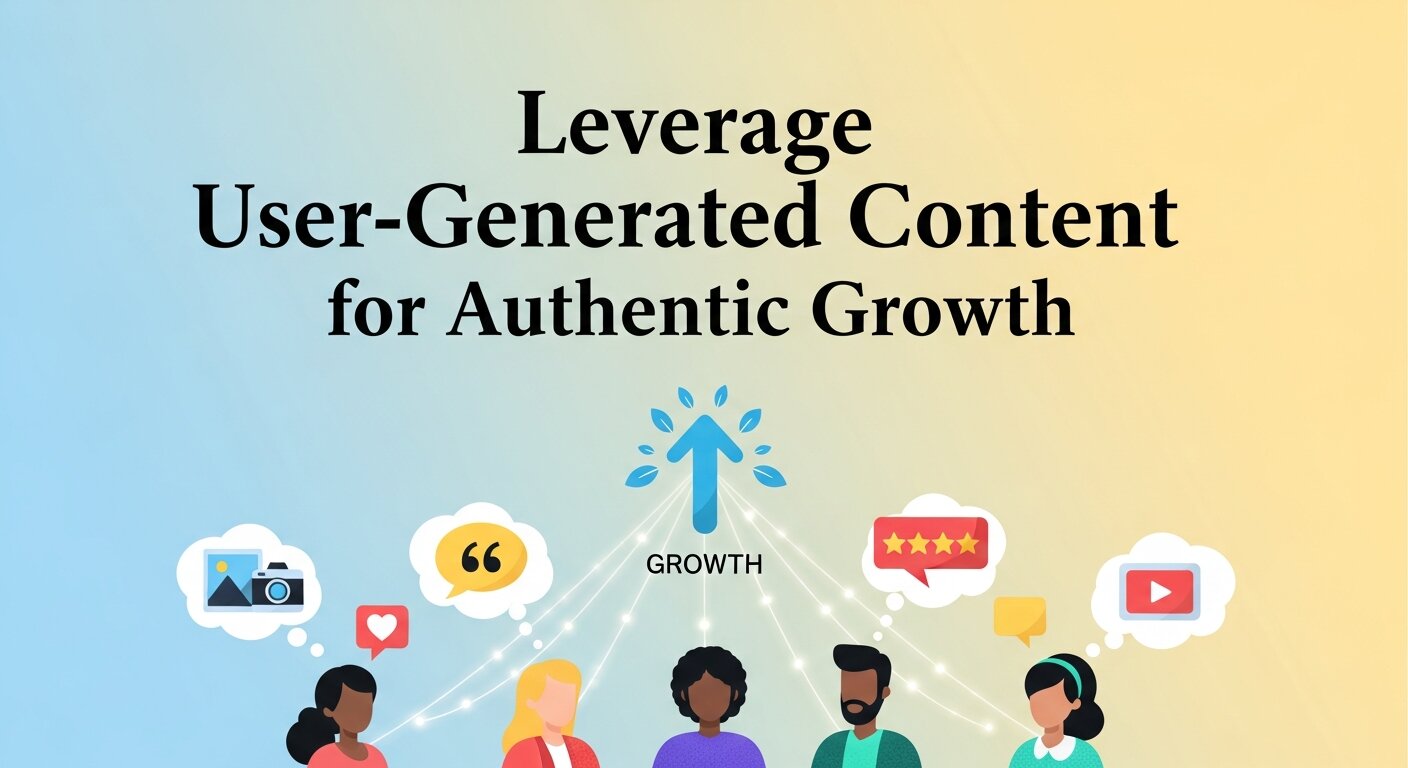 One of the most effective social media management strategies is encouraging your audience to create content featuring your brand. User-generated content (UGC) acts as social proof and helps potential customers trust your business because it comes from real people rather than direct advertising. Encourage customers to share reviews, photos, videos, or experiences using your products and services. Reposting this content not only fills your content calendar with authentic material but also strengthens relationships with your community. People appreciate being recognized by brands they support. Over time, a strong collection of UGC can increase engagement, improve credibility, and influence purchasing decisions more effectively than many traditional marketing campaigns.
Build a Content Calendar to Stay Organized
Successful social media management requires planning. A content calendar helps you organize posts, maintain consistency, and align your content with business goals. Instead of deciding what to post each day, you can plan weeks or months in advance. Include important dates, promotions, product launches, holidays, and industry events within your schedule. A structured calendar also ensures a healthy mix of educational, entertaining, promotional, and community-focused content. This balance keeps audiences engaged without overwhelming them with sales messages. Additionally, planning ahead reduces stress, minimizes last-minute mistakes, and gives your team more time to create higher-quality content that resonates with followers across different platforms.
Monitor Competitors Without Copying Them
Keeping an eye on competitors can provide valuable insights into what works within your industry. Analyze their content types, posting frequency, engagement levels, and audience interactions. This research can reveal content opportunities, trending topics, and gaps in the market that your brand can fill. However, effective social media management isn’t about copying competitors. Instead, use their successes and mistakes to inspire a unique strategy that reflects your brand’s voice and values. Focus on offering something different, whether it’s a stronger perspective, better customer engagement, or more useful information. Competitive analysis helps you stay informed while ensuring your social media presence remains distinctive and memorable.
Strengthen Brand Consistency Across Platforms
 Brand consistency is essential for building recognition and trust. Your audience should instantly recognize your business regardless of which platform they use. Consistent visuals, messaging, tone of voice, and brand values create a seamless experience across social media channels. While content formats may vary between platforms, your core identity should remain the same. Consistency helps reinforce brand awareness and makes your business appear more professional and reliable. Develop clear brand guidelines for colors, fonts, imagery, and communication style. When every post aligns with these standards, followers become more familiar with your brand, increasing the likelihood that they will remember, trust, and eventually purchase from your business.
Frequently Asked Questions
How often should I post on social media?
There’s no universal answer, but consistency matters more than frequency. Most brands see good results posting three to five times a week per platform. Start with a cadence you can maintain and adjust based on your analytics and audience response.
How long does it take to grow a social media following?
Organic growth is a marathon, not a sprint. With a consistent strategy, most businesses start seeing meaningful traction within three to six months. Paid promotion can speed things up, but sustainable follower growth comes from steady, valuable content over time.
Which social media platform is best for my business?
It depends on where your audience spends time. B2B brands often thrive on LinkedIn, while visual and consumer brands do well on Instagram and TikTok. Rather than spreading yourself thin, focus on one or two platforms where your target customers are most active.
What metrics should I track for social media management?
Focus on metrics tied to business outcomes: reach, engagement rate, click-through rate, and conversions. Follower count is nice to see, but it doesn’t always reflect real impact. Track the numbers that show whether your content drives action.
Do I need paid tools to manage social media effectively?
Not necessarily. Native platform tools can get you started, but scheduling and analytics tools save significant time as you scale. A good management tool helps you plan content, track performance, and stay consistent without the daily scramble.
Stay Updated With Social Media Trends
Social media platforms evolve constantly, and what worked last year may not deliver the same results today. Effective social media management involves staying informed about algorithm updates, emerging features, content trends, and changing audience behaviors. Regularly explore platform announcements, industry blogs, and marketing reports to identify new opportunities. Features like short-form video, interactive stories, live streams, and AI-powered tools can provide competitive advantages when used strategically. However, not every trend will fit your brand. Evaluate whether a trend aligns with your audience and objectives before adopting it. Businesses that remain adaptable can maintain relevance, maximize reach, and continue growing even as the digital landscape changes.