
A business reputation takes years to build but can be damaged within minutes by negative publicity, customer complaints, data breaches, or unexpected public controversies. In today’s digital environment, information spreads rapidly across social media, search engines, news websites, and online review platforms. Without a proper response strategy, even a small issue can develop into a serious reputational crisis. Crisis Management Services help businesses identify potential threats, respond to unexpected situations, minimize reputational damage, and maintain customer confidence.
SanMo US understands the importance of maintaining a positive brand image during challenging situations. Through strategic reputation management, proactive monitoring, and professional communication strategies, businesses can respond effectively to unexpected challenges. Whether an organization faces negative reviews, damaging online content, or a public relations emergency, having a structured crisis management approach can protect its credibility and support long-term business growth.
Understanding the Importance of Crisis Management Services
 Crisis management involves identifying, evaluating, and responding to situations that may negatively affect a company’s reputation, operations, or customer relationships. Professional services provide businesses with a structured approach to handling unexpected challenges before they become larger problems.
A well-developed crisis management strategy helps organizations maintain control over communication, address public concerns, and reduce uncertainty. Instead of reacting emotionally or providing inconsistent statements, businesses can follow an organized response plan. This approach supports brand reputation protection and helps maintain stakeholder confidence during difficult periods.
Identifying Potential Reputation Threats
Recognizing potential threats early is essential for preventing serious reputational problems. Negative customer experiences, misleading information, employee misconduct, cybersecurity incidents, and unfavorable media coverage can all create challenges for a business.
Professional reputation monitoring helps organizations identify emerging issues across digital platforms. Early detection allows businesses to investigate concerns, prepare appropriate responses, and prevent misinformation from spreading further.
Maintaining Business Credibility During Difficult Situations
Customer confidence can decline when businesses fail to communicate clearly during unexpected events. Delayed responses, unclear explanations, and inconsistent messaging can increase public uncertainty.
Effective crisis communication helps businesses demonstrate accountability and professionalism. By providing accurate information and addressing concerns directly, organizations can protect their business credibility and maintain stronger relationships with customers, employees, and business partners.
How Crisis Management Services Protect Your Business Reputation
Protecting a company’s reputation requires more than responding to negative comments after they appear. Businesses need a comprehensive approach that combines monitoring, communication, risk assessment, and recovery planning.
Professional Crisis Management Services help organizations understand the nature of a crisis, determine its potential impact, and develop appropriate responses. These strategies can reduce confusion, limit reputational damage, and support a more controlled recovery process.
Developing a Strategic Crisis Response Plan
A crisis response plan establishes how a business should respond when unexpected problems occur. It identifies communication responsibilities, approval processes, important contacts, and response procedures.
A structured crisis response plan allows organizations to act quickly without sacrificing accuracy. It also helps management teams coordinate their activities and maintain consistent communication across different channels.
Managing Negative Publicity and Online Backlash
Negative publicity can spread quickly through social media, blogs, news publications, and review websites. If businesses ignore these situations, public criticism may become more widespread and difficult to manage.
Professional negative publicity management focuses on understanding the source of criticism, verifying available information, and responding with appropriate communication. Businesses can address legitimate complaints while correcting inaccurate claims through factual and transparent messaging.
Protecting Brand Image Across Digital Platforms
A company’s reputation is influenced by what customers discover when searching for its products, services, and business name online. Negative articles, unfavorable reviews, and misleading information can influence purchasing decisions.
Effective online reputation management helps businesses monitor their digital presence and respond to reputation-related concerns. Maintaining accurate business information, publishing useful content, and addressing customer feedback can contribute to a stronger brand image.
The Role of Crisis Communication in Reputation Protection
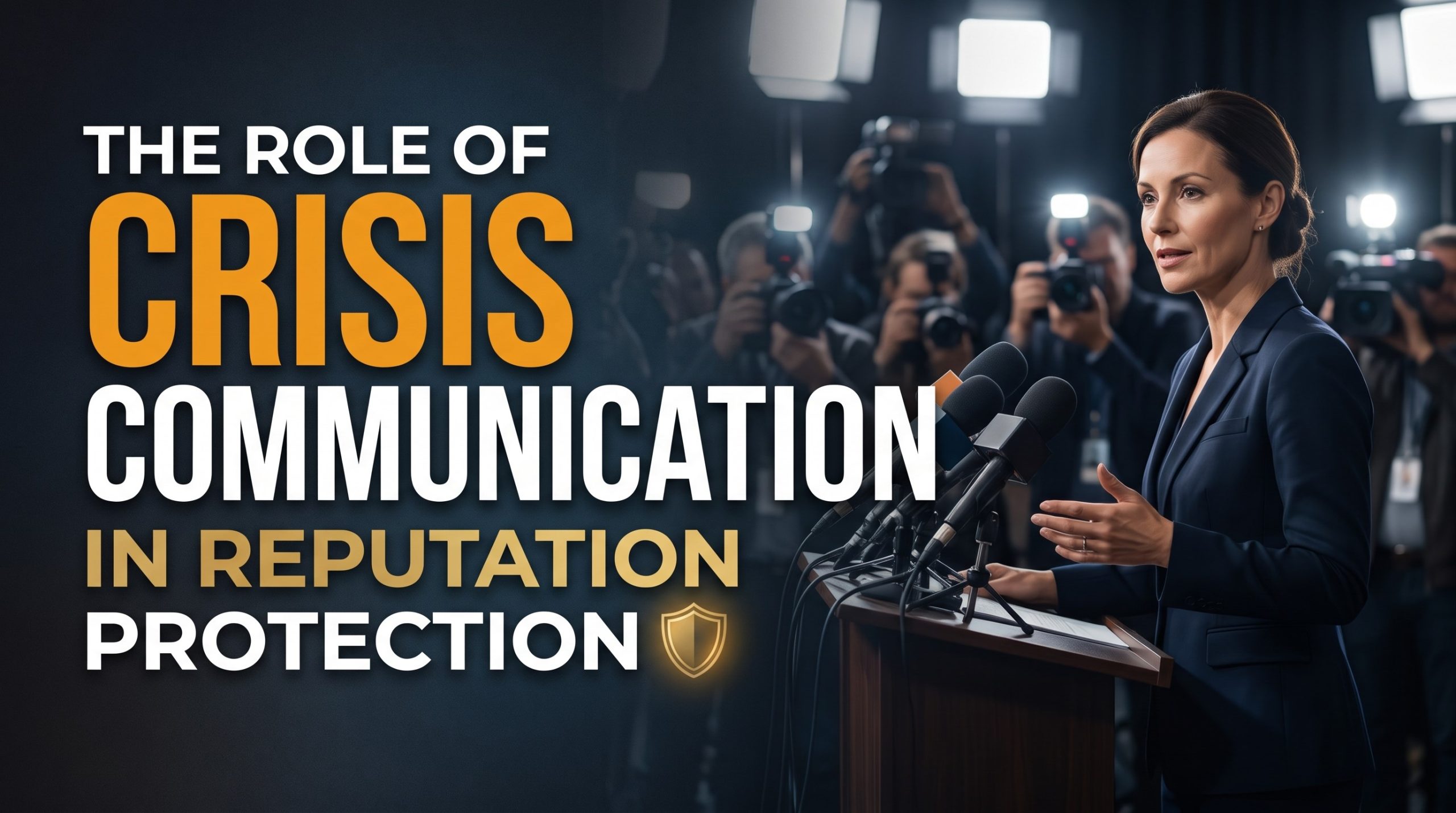 Communication is one of the most important elements of successful crisis management. During a challenging situation, customers and stakeholders expect businesses to provide timely, accurate, and understandable information.
A professional communication strategy ensures that the organization delivers consistent messages through appropriate channels. It also reduces the risk of confusion, conflicting statements, and unnecessary speculation.
Creating Clear and Transparent Messages
Transparency helps businesses maintain credibility when responding to difficult situations. Organizations should acknowledge confirmed problems, explain what they know, and communicate the actions being taken.
Effective crisis communication avoids exaggerated promises and unsupported statements. Instead, it focuses on verified facts, clear explanations, and realistic updates that help audiences understand the situation.
Responding to Customer Concerns Professionally
Customer concerns should be addressed respectfully, especially when a crisis involves service failures, product issues, or negative experiences. Ignoring complaints can make customers feel that their opinions are unimportant.
A professional customer communication strategy helps businesses respond to questions, provide relevant information, and explain available solutions. This approach can reduce frustration and demonstrate a genuine commitment to customer satisfaction.
How Social Media Monitoring Helps Prevent Reputation Damage
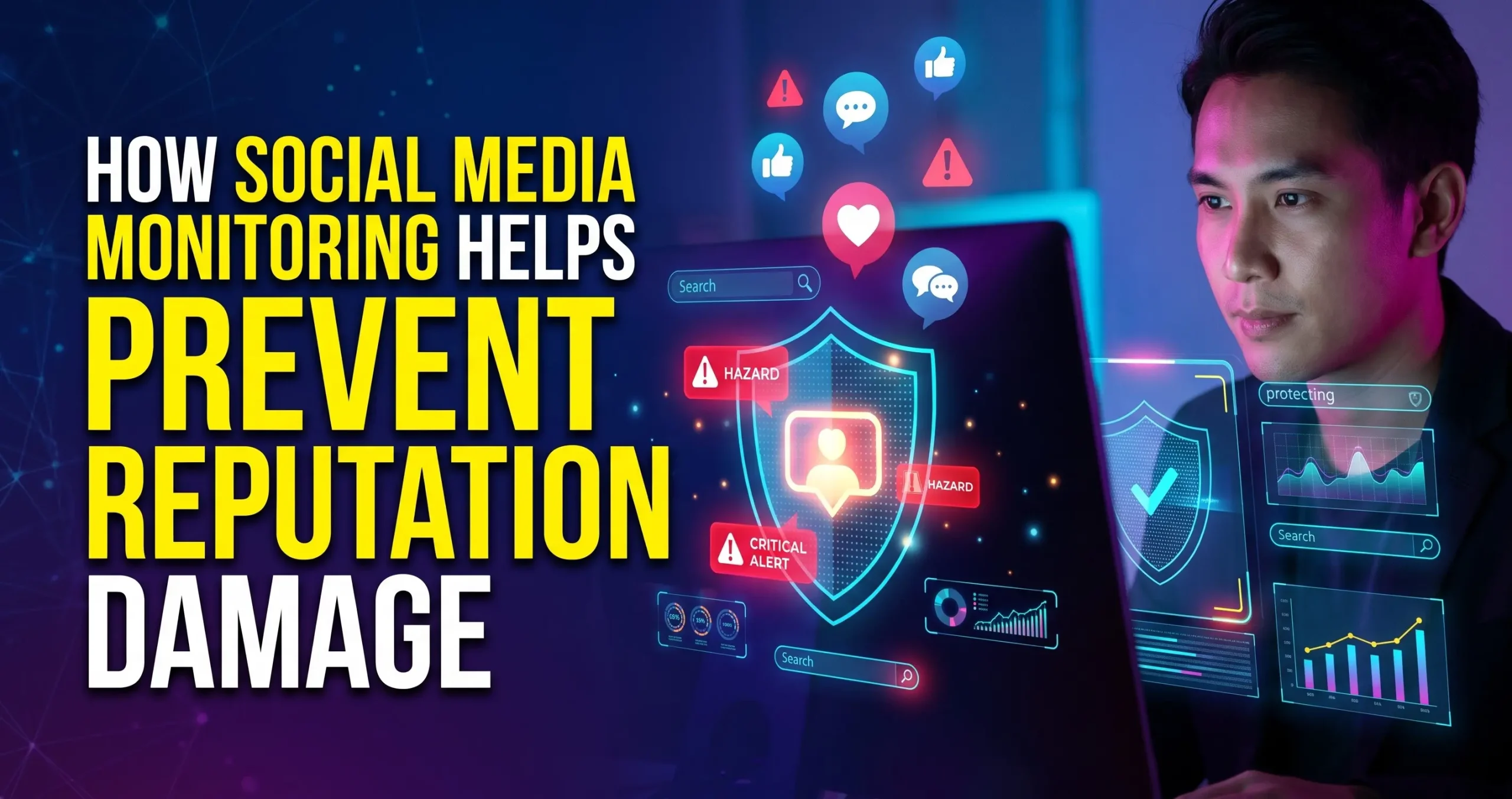 Social media platforms allow customers to share experiences and opinions instantly. While this creates opportunities for brand engagement, it also increases the speed at which negative information can spread.
Businesses need consistent monitoring to understand public conversations and identify potential problems before they escalate. Professional monitoring supports faster responses and more informed reputation management decisions.
Tracking Brand Mentions and Public Sentiment
Monitoring brand mentions helps organizations understand what customers are saying about their business across digital platforms. It can reveal recurring complaints, emerging criticism, and discussions that require attention.
Social media monitoring and sentiment analysis provide useful insights into public perception. Businesses can use this information to identify communication gaps, understand customer expectations, and adjust their response strategies.
Managing Negative Comments and Viral Complaints
A negative comment can attract widespread attention when other users share, discuss, or respond to it. Businesses should evaluate the complaint carefully before deciding how to respond.
Effective online crisis management focuses on providing relevant information, correcting misunderstandings, and addressing genuine customer concerns. Responses should remain professional, respectful, and consistent with the company’s communication policies.
The Importance of Media Relations During a Business Crisis
Media coverage can significantly influence how the public understands a business-related crisis. Inaccurate statements, incomplete information, or delayed responses may create additional confusion.
Professional media relations help organizations communicate with journalists and relevant publications using verified information. A consistent approach can reduce misunderstandings and support more accurate public reporting.
Managing Public Relations Challenges
Unexpected controversies, product failures, and operational problems can create serious public relations challenges. Businesses need a clear process for responding to media inquiries and communicating important developments.
Public relations crisis management helps organizations prepare statements, coordinate spokesperson communication, and maintain consistent messaging. A professional approach can protect credibility while ensuring that stakeholders receive relevant updates.
Building Trust Through Responsible Communication
Trust is strengthened when businesses demonstrate honesty and accountability. During a crisis, organizations should avoid hiding confirmed information or making claims that cannot be supported.
Responsible media communication allows companies to explain their position, acknowledge concerns, and share meaningful updates. Consistent communication can help reduce uncertainty and support reputation recovery.
Rebuilding Brand Reputation After a Crisis
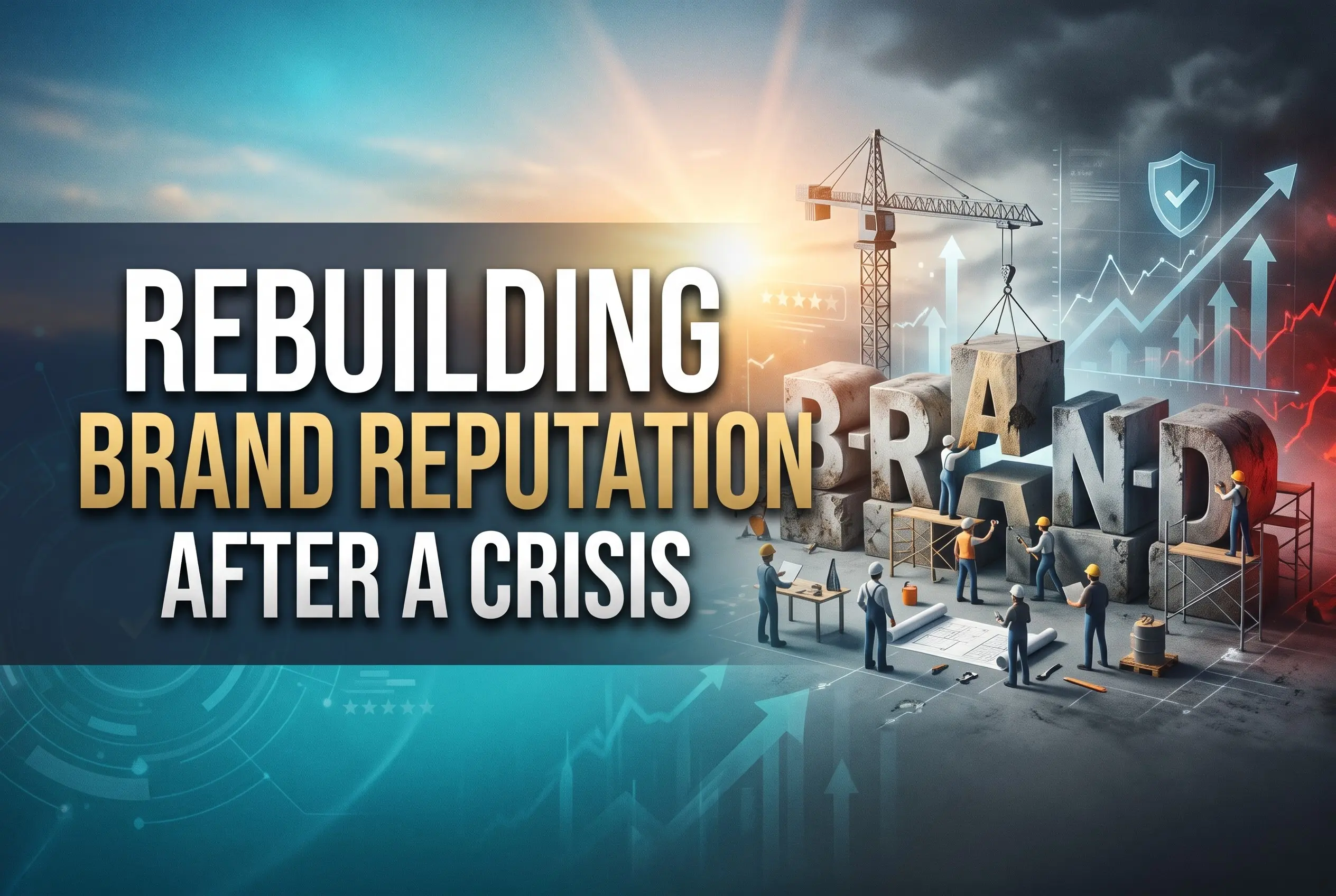 Managing an immediate crisis is only one part of the recovery process. Businesses must also evaluate the impact of the incident, address unresolved concerns, and take meaningful steps to rebuild public confidence.
A successful recovery strategy combines communication, customer engagement, reputation monitoring, and improvements to internal processes. These activities help organizations move beyond short-term damage control.
Addressing Negative Online Content
Negative online content may continue influencing public perception even after the original crisis has been resolved. Businesses should review the accuracy and context of relevant information before taking action.
Negative content management focuses on addressing misleading information through factual responses, appropriate correction requests, and improved online communication. Legitimate criticism should be handled professionally rather than ignored or improperly suppressed.
Strengthening Search Engine Reputation
Search engines influence how customers discover information about businesses. Search results containing negative articles or outdated information may affect brand perception and purchasing decisions.
An ethical search engine reputation management strategy focuses on publishing relevant, trustworthy, and useful content. Consistent SEO reputation management, accurate business information, and positive customer experiences can help strengthen a company’s digital presence over time.
Restoring Customer Confidence and Loyalty
Customer confidence cannot be restored through communication alone. Businesses must demonstrate that they have learned from the situation and are taking meaningful steps to improve.
A consistent customer trust management approach includes listening to feedback, resolving service issues, and maintaining transparent communication. These actions can help rebuild relationships and encourage long-term customer loyalty.
Why Businesses Should Choose Professional Crisis Management Services
Handling a major reputation crisis without professional guidance can be challenging. Businesses may struggle to identify the source of a problem, evaluate public sentiment, coordinate communication, and determine the most appropriate response.
Professional Crisis Management Services provide strategic support throughout these situations. Experienced reputation management professionals can help organizations develop response plans, monitor digital conversations, and implement recovery strategies.
SanMo US focuses on helping businesses protect their online reputation through strategic reputation management solutions. By combining proactive monitoring, communication planning, and reputation-focused strategies, businesses can approach unexpected challenges with greater confidence. Working with a professional team also helps organizations maintain consistency across digital platforms. This is particularly important when a crisis involves multiple audiences, public criticism, or widespread online discussions.
Conclusion
A business reputation is one of its most valuable assets, and protecting it requires preparation, communication, and consistent monitoring. From negative publicity and social media backlash to public relations challenges, unexpected situations can affect customer confidence and long-term business performance.
Professional Crisis Management Services help organizations identify potential threats, respond responsibly, minimize reputational damage, and rebuild trust. With an effective crisis response plan, transparent communication, and ethical reputation management practices, businesses can navigate difficult situations more confidently.
SanMo US supports businesses in protecting their digital presence and maintaining a positive brand image through professional reputation management solutions. Investing in a proactive crisis management strategy can help organizations strengthen credibility, protect customer relationships, and build a more resilient business reputation.
Frequently Asked Questions (FAQs)
1. What Are Crisis Management Services?
Crisis Management Services help businesses prepare for, respond to, and recover from unexpected situations that may damage their reputation, operations, or customer relationships.
2. Why Are Crisis Management Services Important for Businesses?
They help organizations manage negative publicity, respond to customer concerns, maintain transparent communication, and reduce the potential impact of reputational crises.
3. How Do Crisis Management Services Protect Business Reputation?
They use reputation monitoring, crisis communication, risk assessment, and recovery strategies to help businesses address problems and maintain public confidence.
4. Can Crisis Management Services Help With Negative Online Reviews?
Yes. Professional services can help businesses respond to legitimate negative reviews, address customer complaints, identify recurring issues, and improve their online reputation.
5. How Does Social Media Affect Crisis Management?
Social media can accelerate the spread of negative information. Monitoring social conversations helps businesses identify emerging concerns and respond before problems become more widespread.
6. What Is Included in a Crisis Response Plan?
A crisis response plan generally includes risk assessment, communication procedures, designated responsibilities, stakeholder contacts, response protocols, and recovery strategies.
7. How Long Does It Take to Recover From a Reputation Crisis?
Recovery time depends on the severity of the incident, public response, business actions, and the effectiveness of communication and reputation management strategies.
8. Can Crisis Management Services Prevent Every Reputation Crisis?
No service can guarantee that every crisis will be prevented. However, proactive monitoring and preparation can help businesses identify risks earlier and respond more effectively.
9. How Can Businesses Rebuild Customer Trust After a Crisis?
Businesses can rebuild trust through transparent communication, accountability, consistent service improvements, timely complaint resolution, and positive customer experiences.
10. Why Choose SanMo US for Crisis Management Support?
SanMo US offers reputation management-focused solutions designed to help businesses protect their digital presence, address reputation challenges, and strengthen brand credibility.